- Chinese
- French
- German
- Portuguese
- Spanish
- Russian
- Japanese
- Korean
- Arabic
- Irish
- Greek
- Turkish
- Italian
- Danish
- Romanian
- Indonesian
- Czech
- Afrikaans
- Swedish
- Polish
- Basque
- Catalan
- Esperanto
- Hindi
- Lao
- Albanian
- Amharic
- Armenian
- Azerbaijani
- Belarusian
- Bengali
- Bosnian
- Bulgarian
- Cebuano
- Chichewa
- Corsican
- Croatian
- Dutch
- Estonian
- Filipino
- Finnish
- Frisian
- Galician
- Georgian
- Gujarati
- Haitian
- Hausa
- Hawaiian
- Hebrew
- Hmong
- Hungarian
- Icelandic
- Igbo
- Javanese
- Kannada
- Kazakh
- Khmer
- Kurdish
- Kyrgyz
- Latin
- Latvian
- Lithuanian
- Luxembou..
- Macedonian
- Malagasy
- Malay
- Malayalam
- Maltese
- Maori
- Marathi
- Mongolian
- Burmese
- Nepali
- Norwegian
- Pashto
- Persian
- Punjabi
- Serbian
- Sesotho
- Sinhala
- Slovak
- Slovenian
- Somali
- Samoan
- Scots Gaelic
- Shona
- Sindhi
- Sundanese
- Swahili
- Tajik
- Tamil
- Telugu
- Thai
- Ukrainian
- Urdu
- Uzbek
- Vietnamese
- Welsh
- Xhosa
- Yiddish
- Yoruba
- Zulu
- Kinyarwanda
- Tatar
- Oriya
- Turkmen
- Uyghur

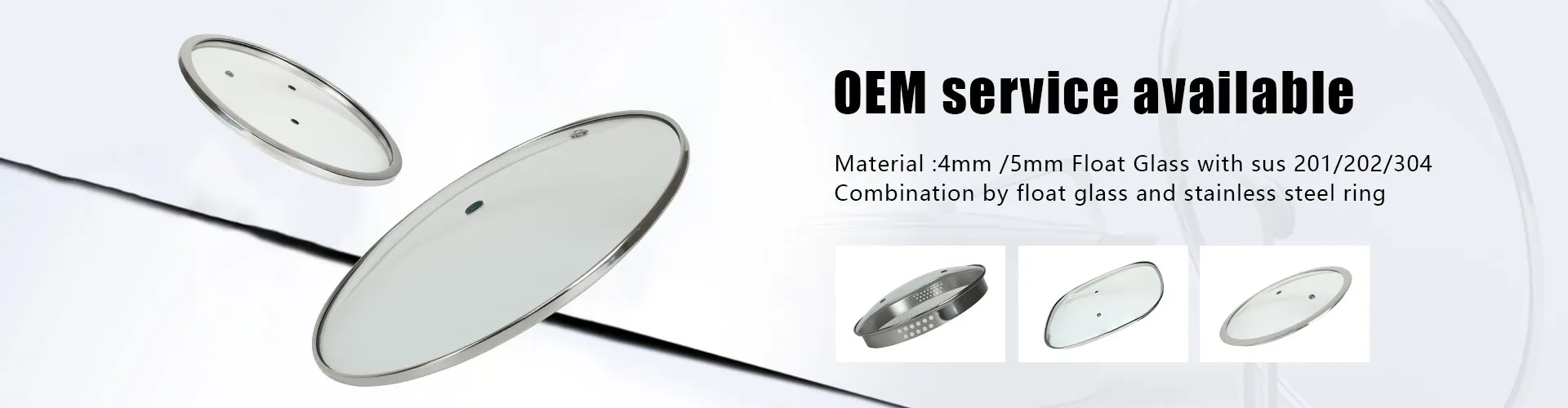
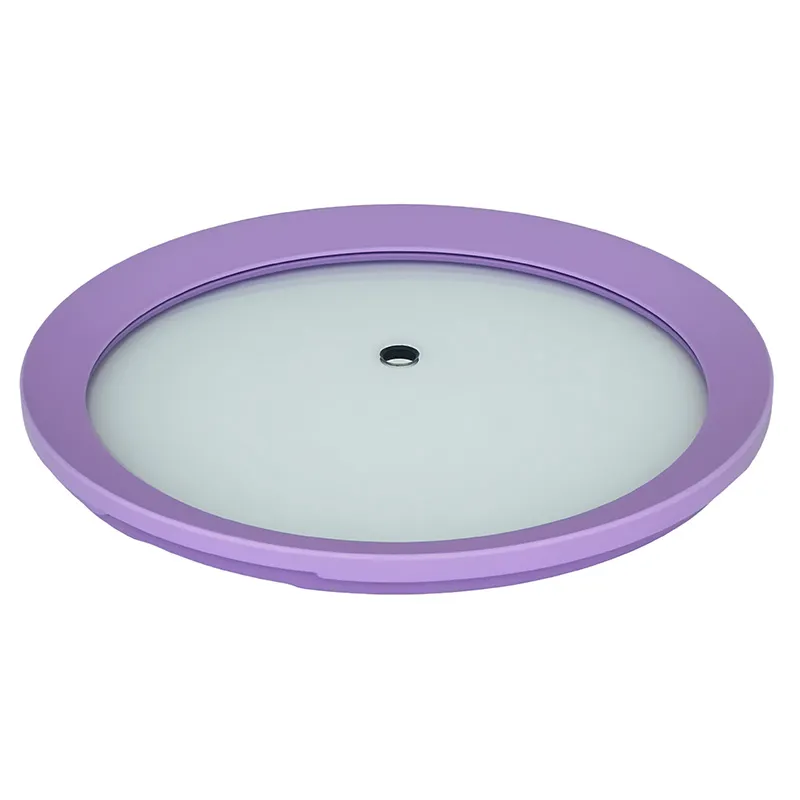
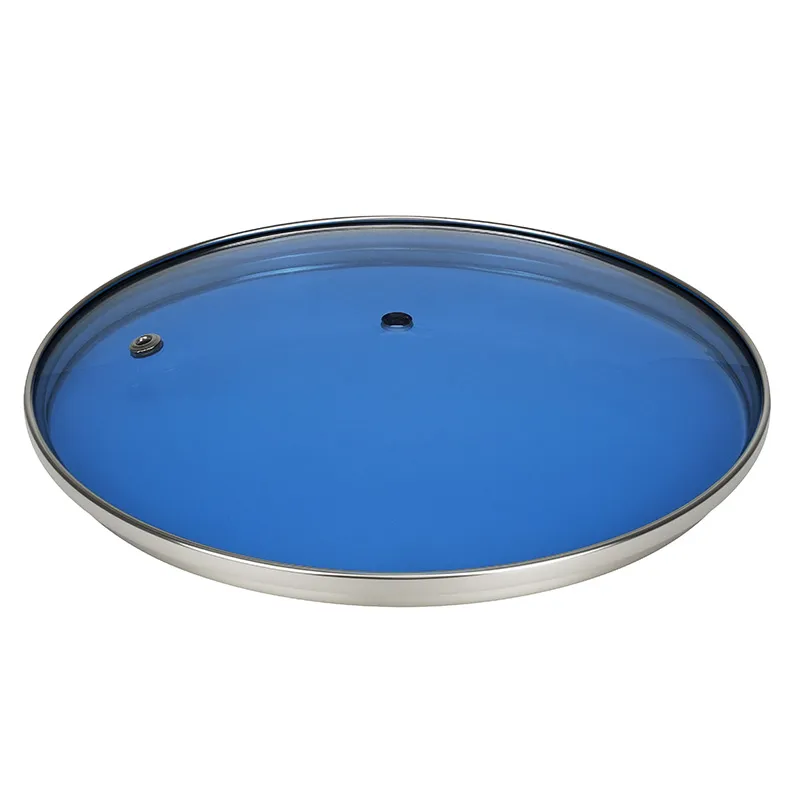
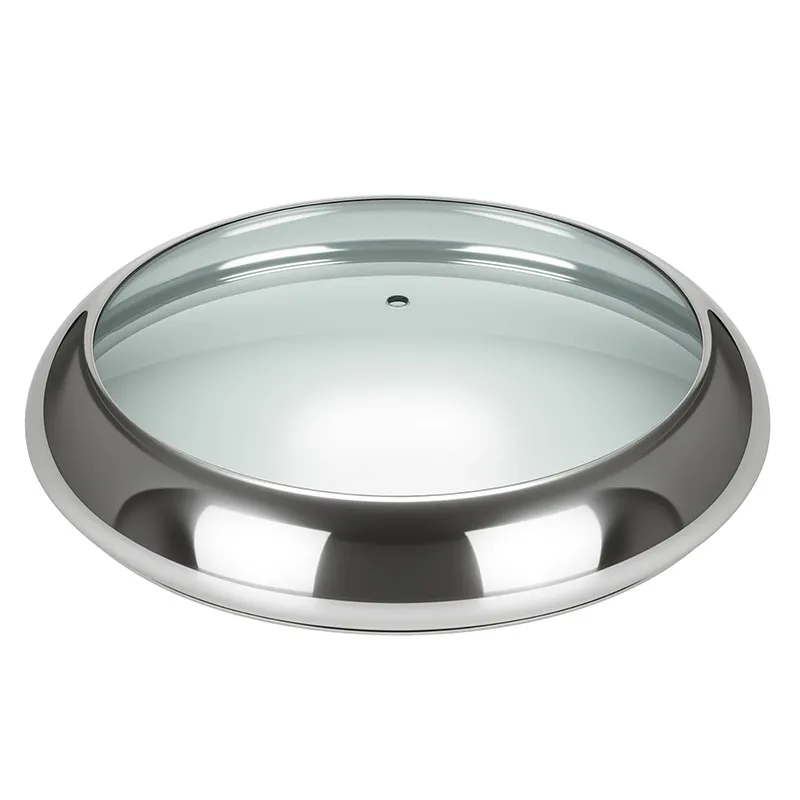
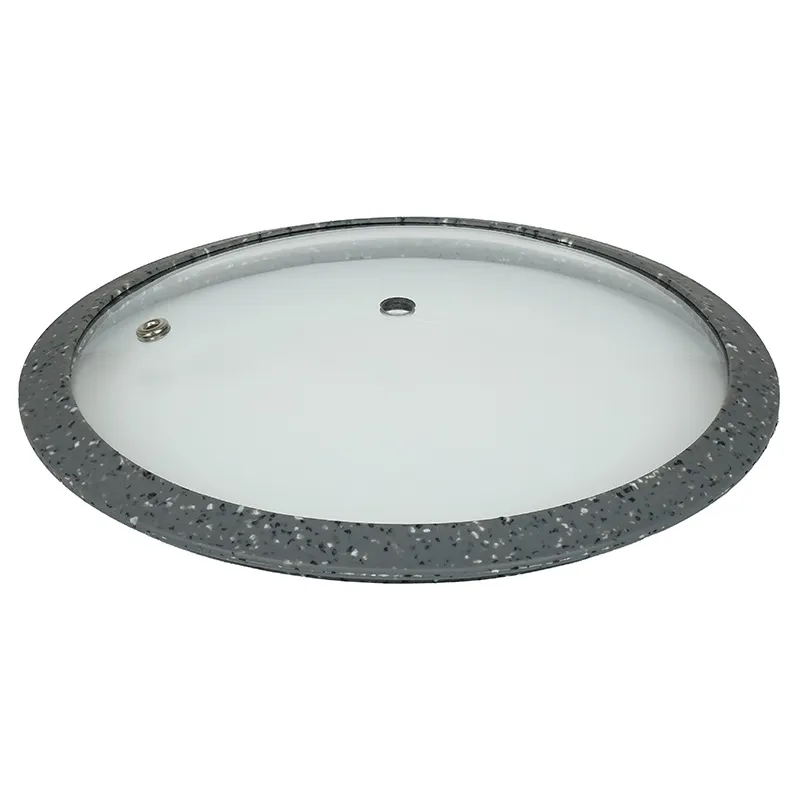
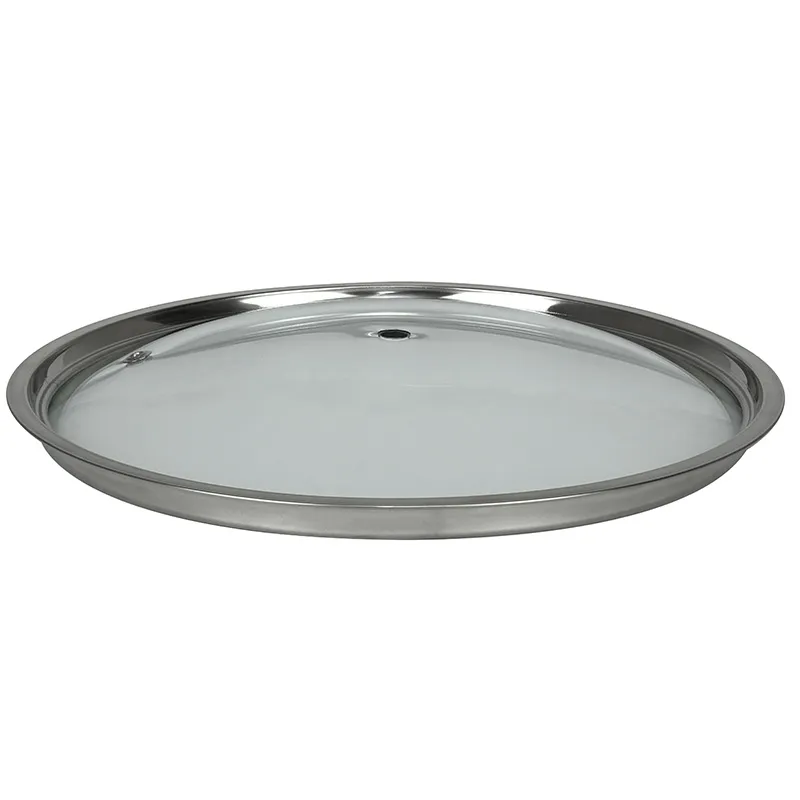
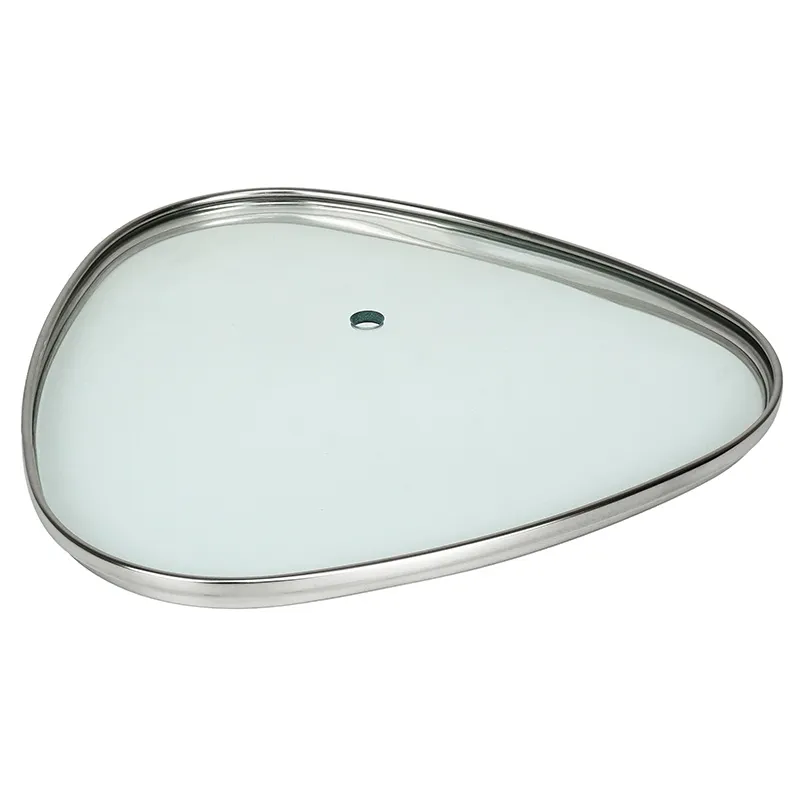
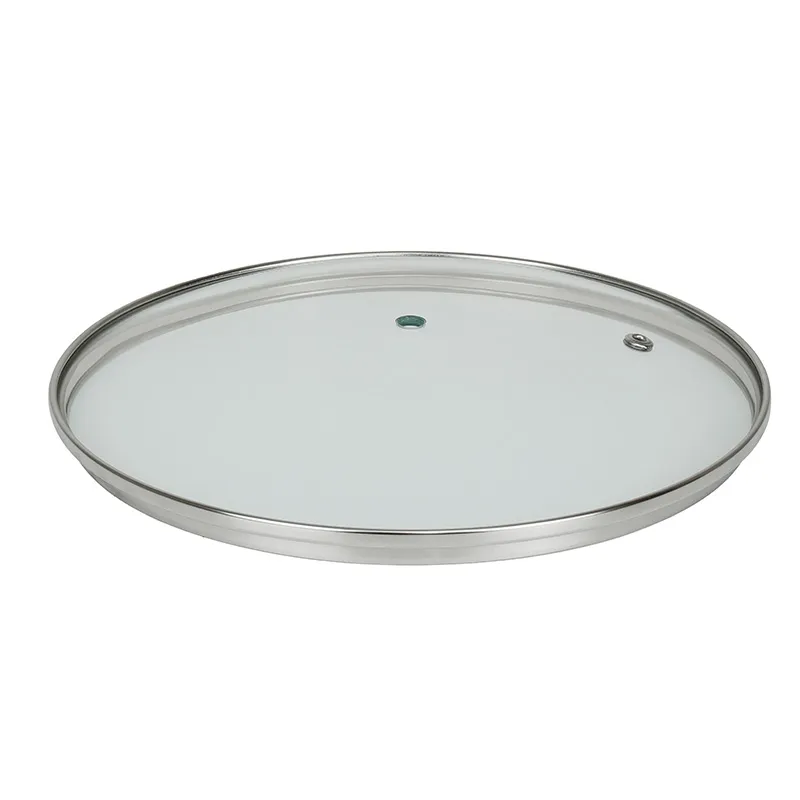
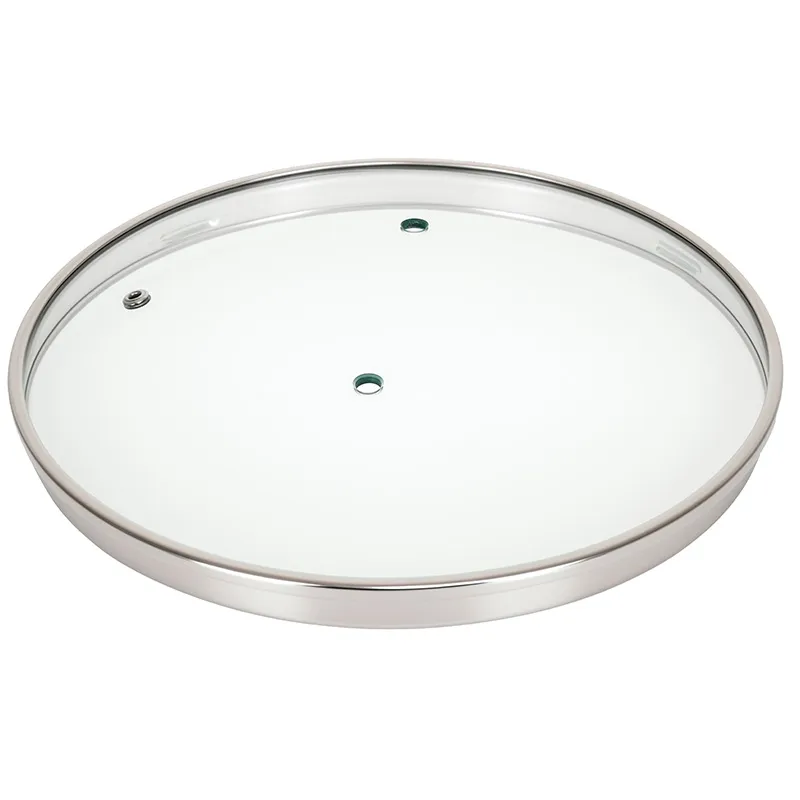
Z type tempered glass cover
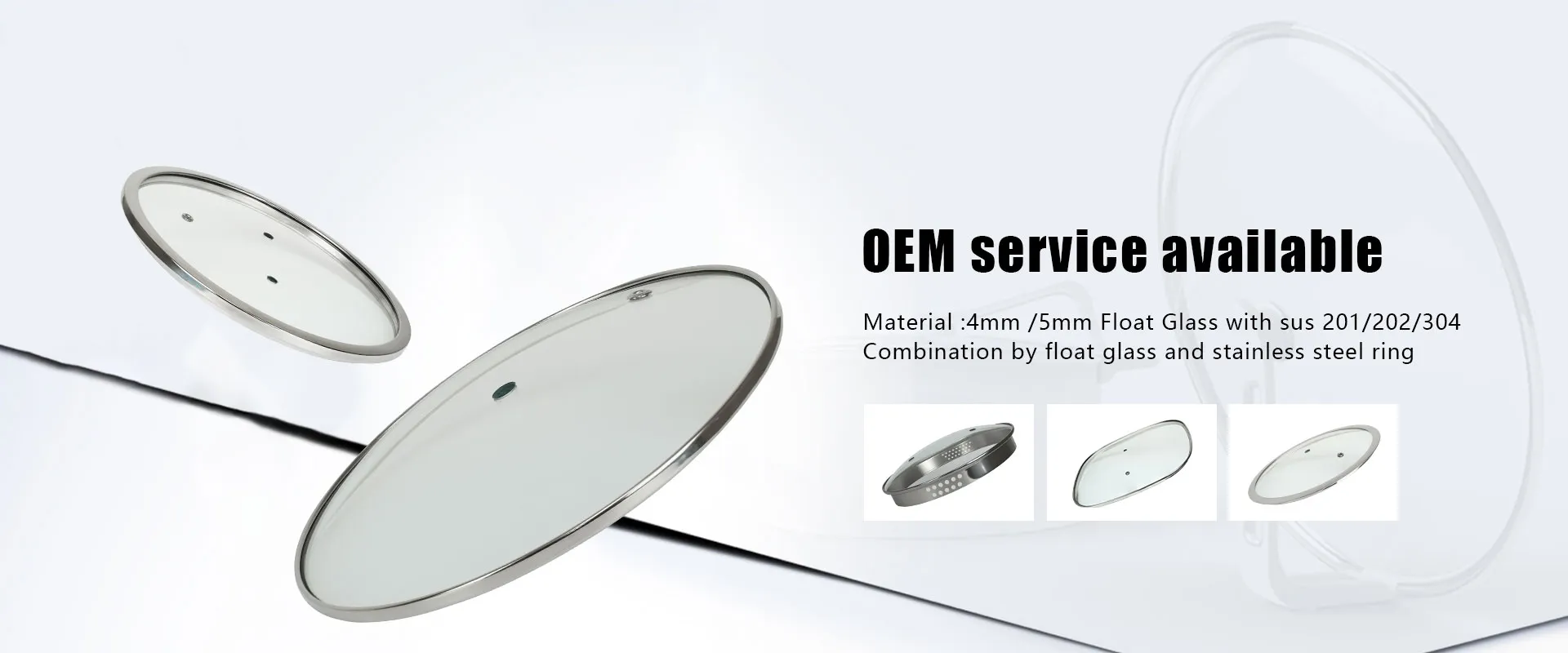
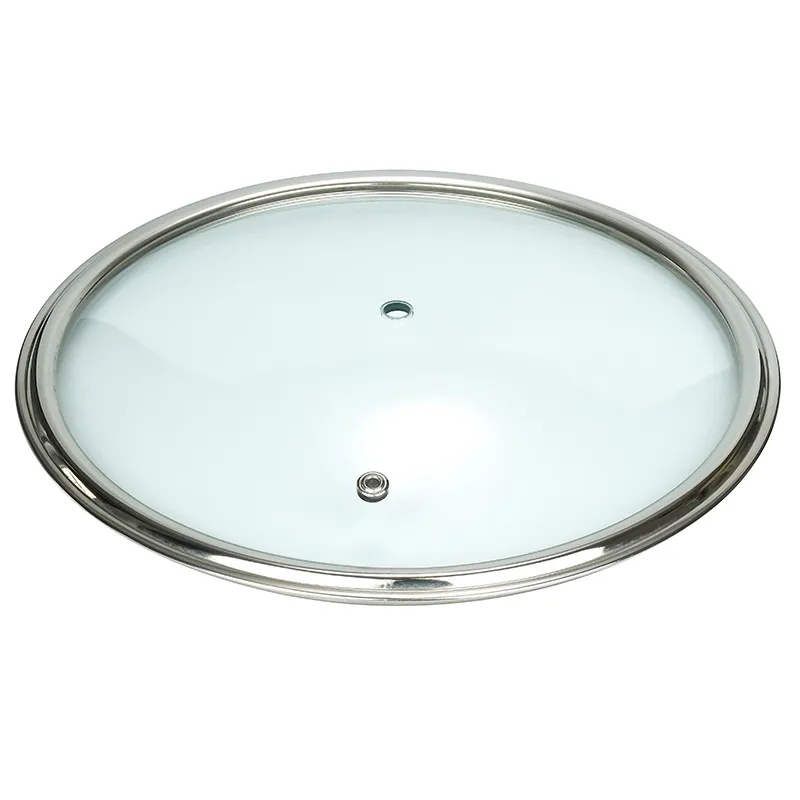
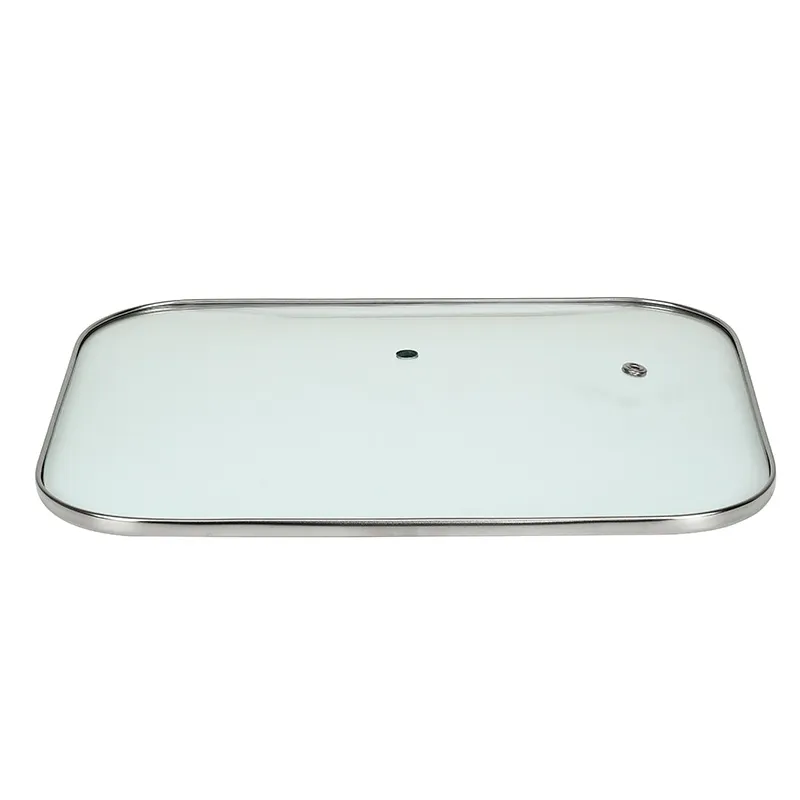
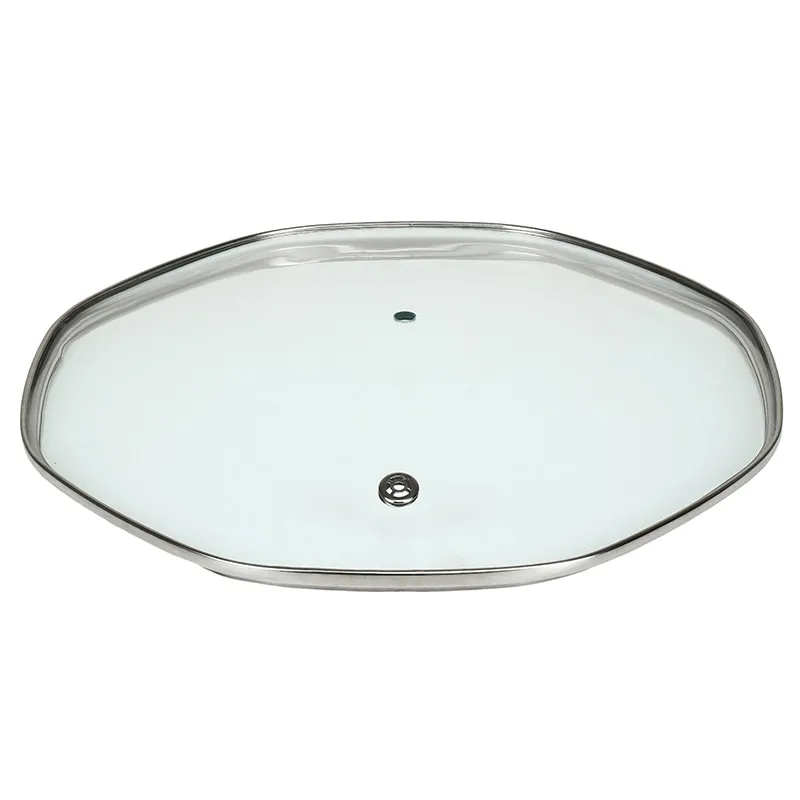
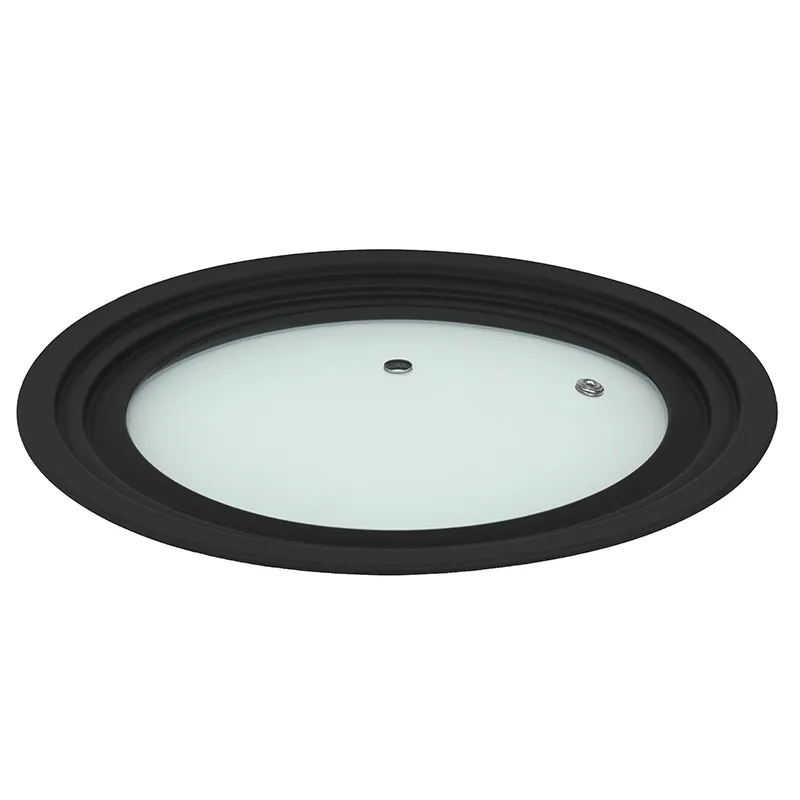
When most buyers hear 'Z type tempered glass cover', they immediately picture that perfectly flat, ultra-clear lid for cookware. That's the marketing image. The reality on the factory floor is messier. The 'Z type' designation itself is a bit of industry shorthand—it refers to the specific, often subtle, curvature and flange design that allows the glass to sit flush within a metal rim, forming a kind of interlocking 'Z' profile in cross-section. It's not about the tempering, but the geometry that works with it. A common mistake is obsessing over thickness or clarity specs alone, while ignoring how that precise bend interacts with the metal frame during thermal cycling. If that fit is off by even half a millimeter, you get stress points, and that's where failures start.
Defining the Z – More Than Just a Shape
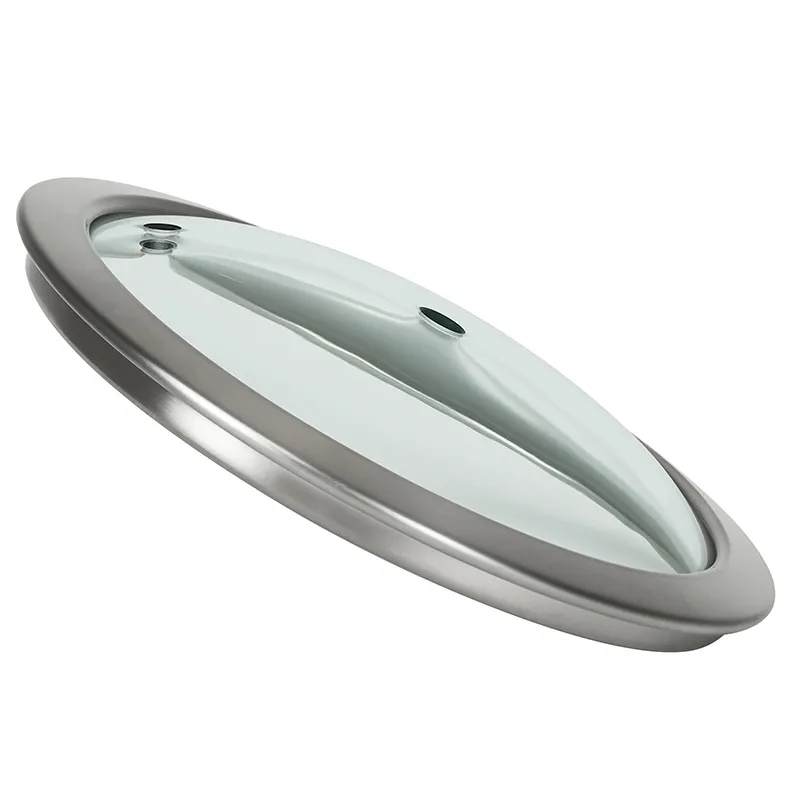
Let's break down the 'Z' part, because it's everything. It's not a dramatic shape. Visually, it's just a lid. But run your finger along the edge. You'll feel the primary sealing surface, then a slight step down, and finally the under-flange that hooks under the pot's rim. This geometry does two critical jobs: it provides a stable, rattle-free seat, and it distributes the clamping pressure from the metal handle assembly evenly across the glass. I've seen batches where the grinding on that step was too aggressive, creating a sharp inner angle. Under rapid heating, that sharp corner becomes a focal point for stress concentration, negating the benefits of the tempering. The glass doesn't fail in the middle; it always starts at a machined edge.
The tooling for this is expensive and wears down. A supplier cutting corners might run the pressing molds longer than they should. The result? The 'Z' profile becomes shallow, the fit gets loose. You'll see lids that spin too easily in their frames, or worse, have visible gaps. I recall a shipment for a European client where we had a 3% failure rate on steam leakage tests purely because of profile inconsistency. We traced it back to a worn-out pressing mold that the factory hadn't flagged for replacement. The glass was perfectly tempered, but the shape was wrong. It was a costly lesson in specifying not just material, but dimensional tolerances for every curve.
This is where a manufacturer's focus matters. A company like EUR-ASIA COOKWARE CO.,LTD, which lists an annual output of over 15 million tempered glass lids, has to have this process dialed in. Their specialization in low to high-level household glass products suggests they run the gamut from simple designs to complex 'Z type' profiles for international markets. High volume for export means their tooling maintenance and quality control at the shaping stage must be systematic, otherwise returns would cripple them.
The Tempering Process – Where Theory Meets Practice
Tempering for these lids isn't the same as for a building facade. It's about managing thermal shock from boiling water and cold sinks. The process seems straightforward: heat to around 620-650°C, then quench with high-pressure air jets. But the quench is the art. The air nozzles must be aligned perfectly to the lid's curvature to ensure even cooling. If one area cools faster than another, you get built-in stress patterns, or anisotropy.
We once tested lids from a new supplier. They passed the standard 220°C thermal shock test (oven to cold water). But in real-world use, customers reported spontaneous breakage when placing a hot lid on a granite countertop. The failure analysis showed a uneven stress map. The tempering line was set for flat glass, and the 'Z' curvature meant the edges were receiving less air flow during quenching, leaving them relatively weaker. The fix wasn't higher temperature, but custom nozzle arrays. This is a detail most spec sheets completely miss.
The advertised safety of tempered glass—breaking into small granular pieces—is a double-edged sword for lids. Yes, it's safer than sharp shards, but a full disintegration during cooking ruins the meal and is a nightmare for the consumer. The goal is not to make it break 'safely,' but to make it not break at all under normal use. That comes down to this marriage of precise geometry and perfectly even tempering.
Material & Clarity – The Trade-Offs
High clarity, low-iron glass is what everyone wants for that premium look. It's often called ultra-clear or crystal glass. But it's more brittle before tempering and more sensitive to impurities. A tiny sulfide inclusion can become a failure point. For high-volume production, some factories might use a standard soda-lime glass with a slight greenish tint on the edge. It's cheaper and more forgiving. The key is the post-tempering optical quality check. You need to look for distortion, especially when viewing the cooking food through the lid. A wavy appearance means uneven heating during tempering.
I've been to factories where they skip this optical check for B-grade stock, selling it into lower-priced markets. The lid might be structurally sound, but the visual distortion is unacceptable for brands selling into Western Europe. A producer exporting to Germany, Switzerland, and Japan, like EUR-ASIA COOKWARE, would likely have strict optical standards, as these markets are notoriously picky about aesthetics. Their product range covering low to high levels suggests they can source different glass materials, but their export focus means the high-end line probably uses a superior clarity material.
Another practical point: the printing. Heat-resistant logos and graduations are fired on after tempering. The ink adhesion must withstand repeated washing and heating. Poor adhesion leads to fading. More critically, if the printing ink has a different thermal expansion coefficient than the glass, it can create localized stress. It's a small thing, but I've seen batches where the printing process itself caused micro-cracks that propagated later.
Real-World Failure Points & The Export Test
Lab tests are one thing. Real kitchens are another. The most common failure we see isn't from thermal shock, but from mechanical impact against that vulnerable edge. A user taps the lid against the pot to shake off water, or it clatters in the sink. The 'Z' type edge, being ground, is the weakest zone. A good manufacturer will have a robust edge finishing process—seamless fire-polishing after grinding can significantly improve impact resistance.
Another hidden issue is the handle attachment point. The metal clamp or screw exerts constant pressure. If the glass isn't perfectly flat where the clamp bites, or if the rubber gasket in the handle assembly degrades over time, pressure becomes uneven. I remember a case with a supplier whose lids started breaking at the handle mount after two years. The culprit wasn't the glass, but the cheap EPDM rubber gasket that hardened and shrank in dishwashers, transferring all the clamping force to two tiny points on the glass.
This is where a manufacturer's experience with export markets is crucial. Products shipped to Brazil or Turkey face different water chemistry (affecting dishwasher durability) than those going to South Korea or Italy. The testing regimen needs to simulate these conditions. Seeing that EUR-ASIA's products are exported to over a dozen countries across Europe, Asia, and South America, they must have a flexible yet rigorous quality protocol. Their production base in a Chinese national high-tech zone likely gives them access to better automation and testing equipment, which is essential for maintaining consistency across millions of pieces.
Sourcing & The Supplier Conversation
When you're sourcing these, don't just ask for a sample. Ask for the production lot report for that sample. You want to see the tempering furnace temperature logs and the quenching air pressure data. Ask about their mold maintenance schedule for the 'Z' pressing. Visit if you can. Look at their packing line—how do they prevent edge-to-edge contact during packaging? Simple foam sleeves versus custom molded pulp trays make a huge difference in transit breakage.
A reliable supplier will talk openly about their failure rate (their internal AQL) and show you their common defect samples. If they only show you perfect units, be wary. I've found the best partnerships are with factories like the one described, who are transparent about their capacity (90+ employees, 15,000 sqm building) and export focus. It means they're set up for OEM business and understand international compliance. Their specialization in glass lids, rather than being a general glassware factory, is a big plus—it means their expertise is deep in this specific product category.
Finally, always conduct your own real-use torture test. Cycle it from freezer to stove top. Drop it (from a low height) on a hard floor. Simulate a decade of dishwasher cycles with aggressive detergent. The Z type tempered glass cover that survives that, while maintaining a clear view and a snug, silent fit, is the one that reflects a manufacturer who has mastered both the art of the bend and the science of the temper.
Related Products
Related Products