- Chinese
- French
- German
- Portuguese
- Spanish
- Russian
- Japanese
- Korean
- Arabic
- Irish
- Greek
- Turkish
- Italian
- Danish
- Romanian
- Indonesian
- Czech
- Afrikaans
- Swedish
- Polish
- Basque
- Catalan
- Esperanto
- Hindi
- Lao
- Albanian
- Amharic
- Armenian
- Azerbaijani
- Belarusian
- Bengali
- Bosnian
- Bulgarian
- Cebuano
- Chichewa
- Corsican
- Croatian
- Dutch
- Estonian
- Filipino
- Finnish
- Frisian
- Galician
- Georgian
- Gujarati
- Haitian
- Hausa
- Hawaiian
- Hebrew
- Hmong
- Hungarian
- Icelandic
- Igbo
- Javanese
- Kannada
- Kazakh
- Khmer
- Kurdish
- Kyrgyz
- Latin
- Latvian
- Lithuanian
- Luxembou..
- Macedonian
- Malagasy
- Malay
- Malayalam
- Maltese
- Maori
- Marathi
- Mongolian
- Burmese
- Nepali
- Norwegian
- Pashto
- Persian
- Punjabi
- Serbian
- Sesotho
- Sinhala
- Slovak
- Slovenian
- Somali
- Samoan
- Scots Gaelic
- Shona
- Sindhi
- Sundanese
- Swahili
- Tajik
- Tamil
- Telugu
- Thai
- Ukrainian
- Urdu
- Uzbek
- Vietnamese
- Welsh
- Xhosa
- Yiddish
- Yoruba
- Zulu
- Kinyarwanda
- Tatar
- Oriya
- Turkmen
- Uyghur


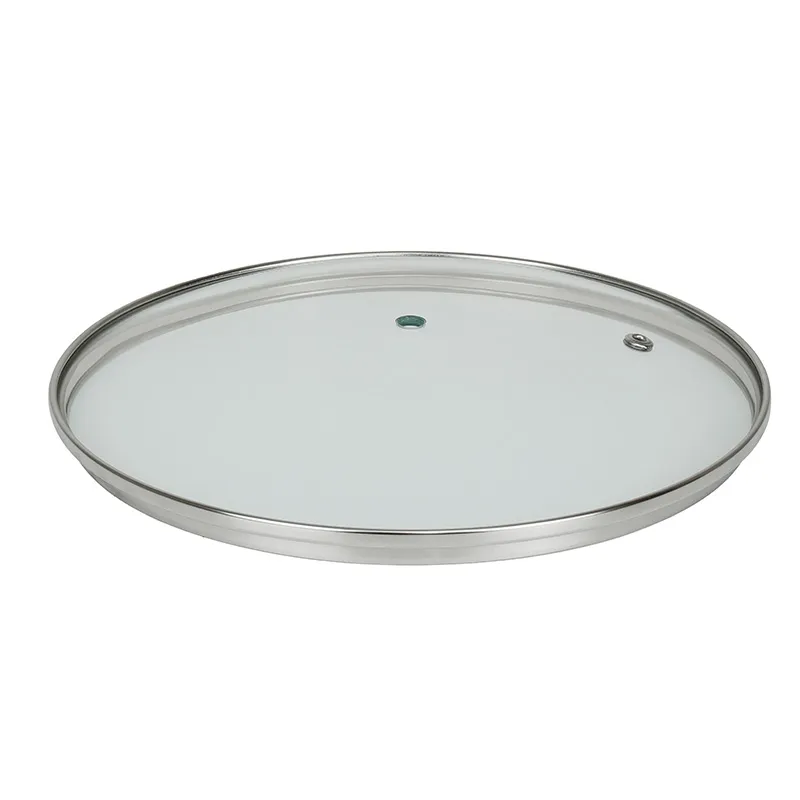
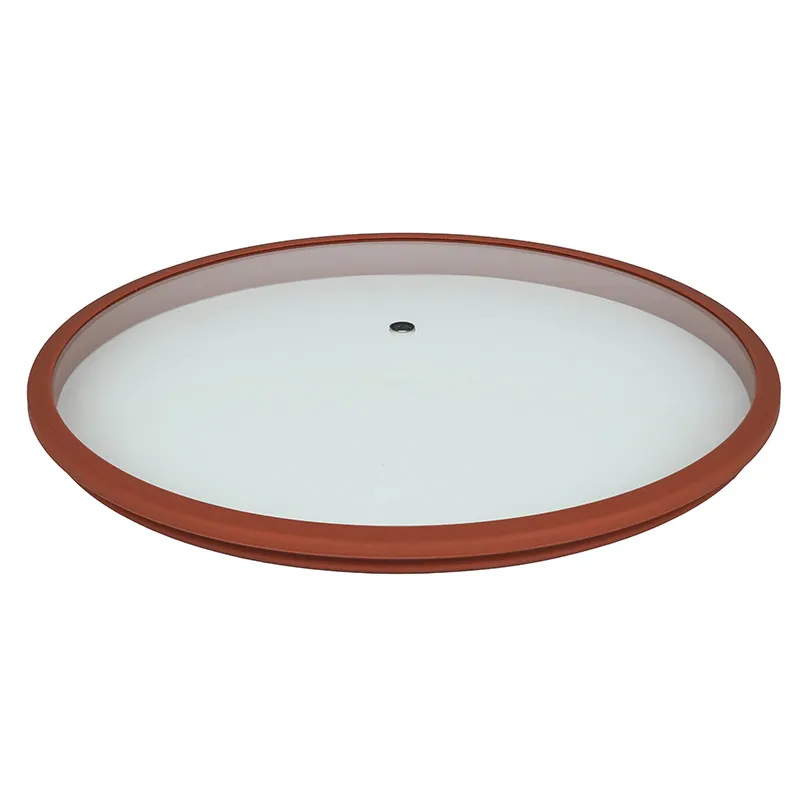
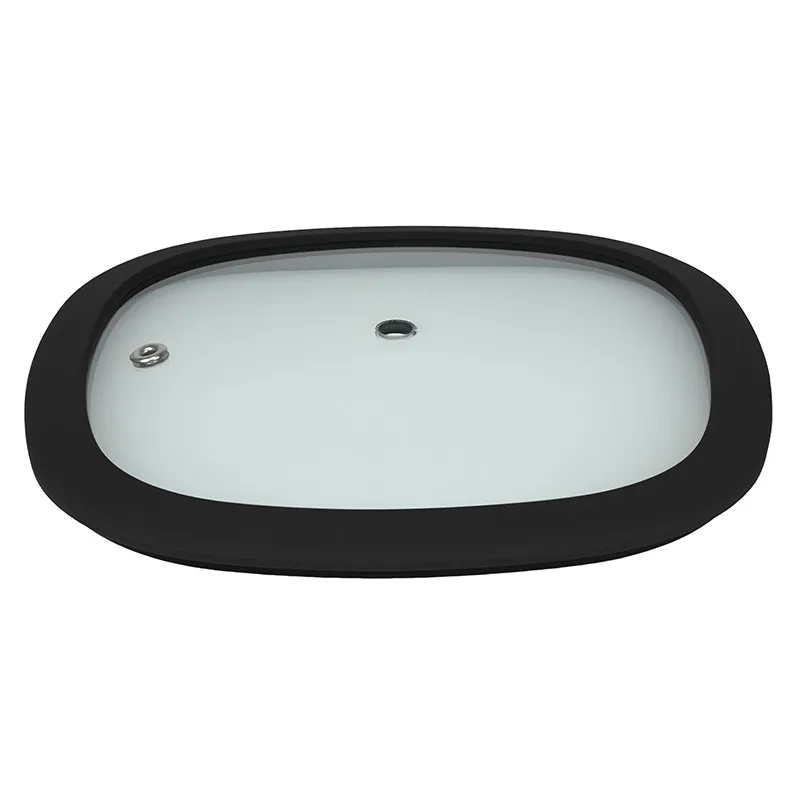
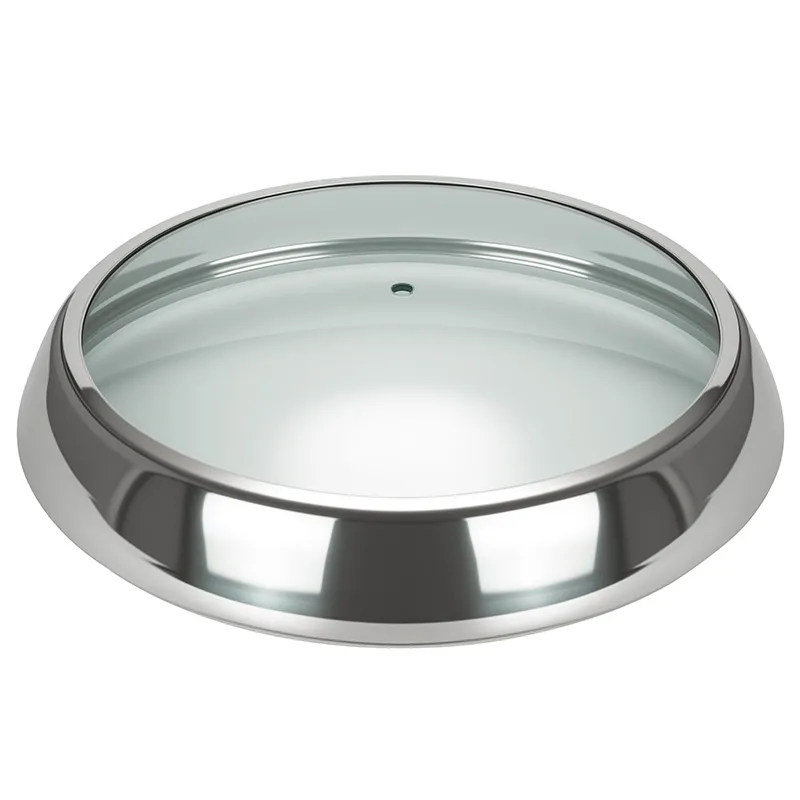
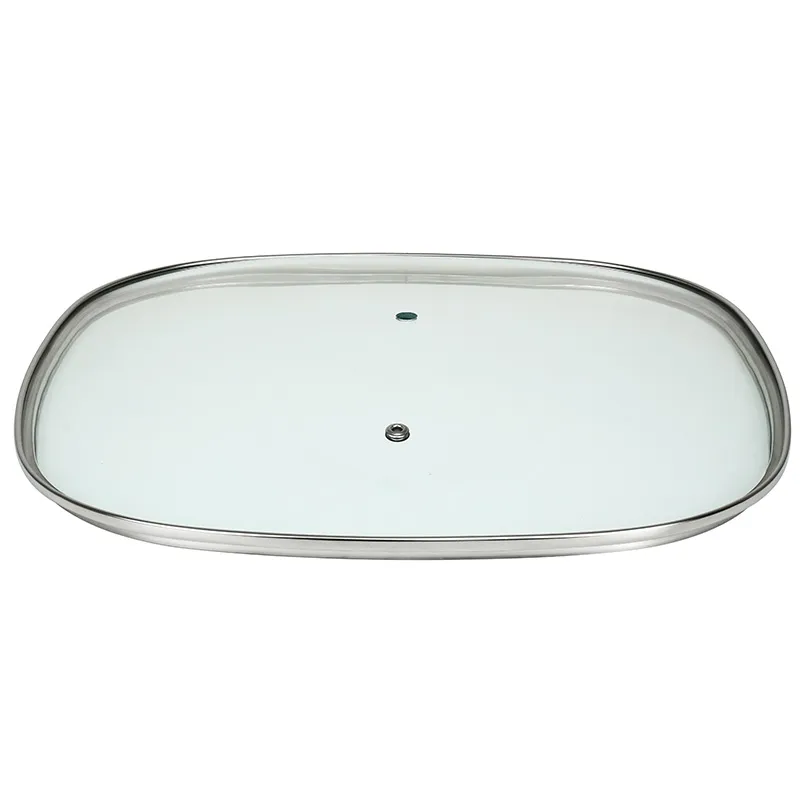
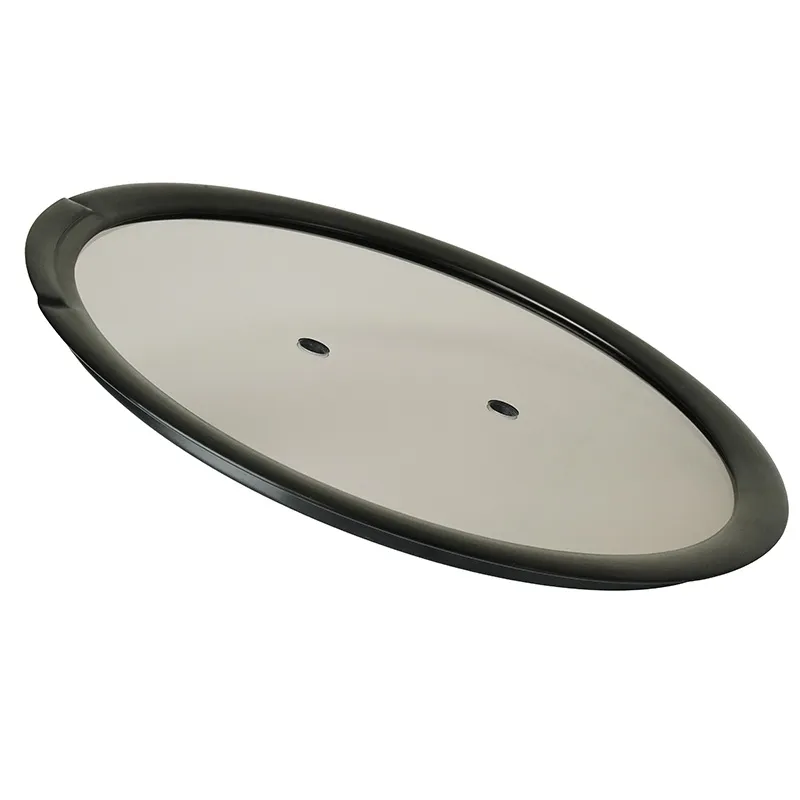
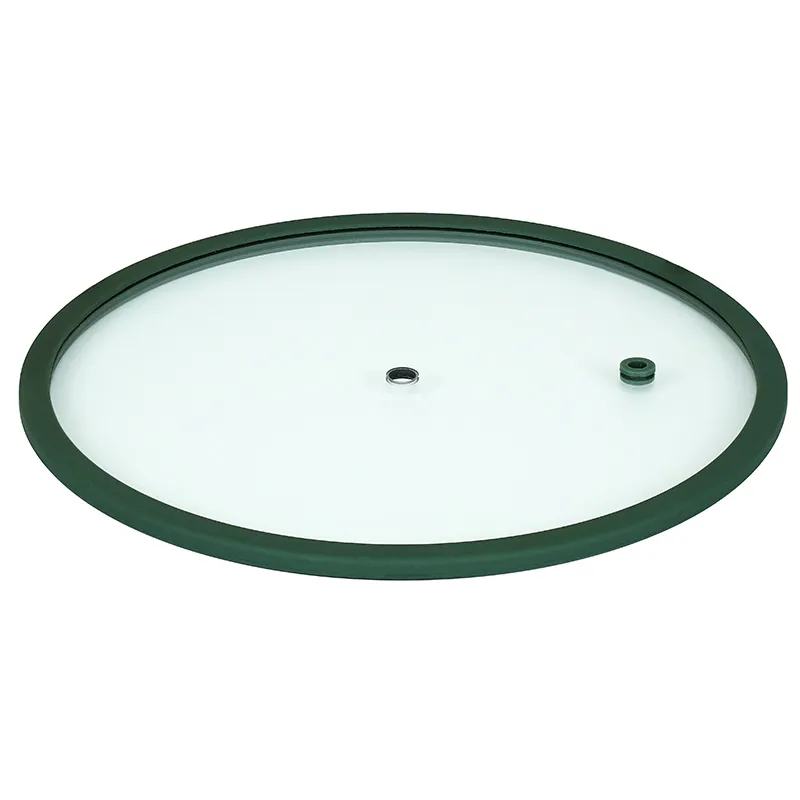
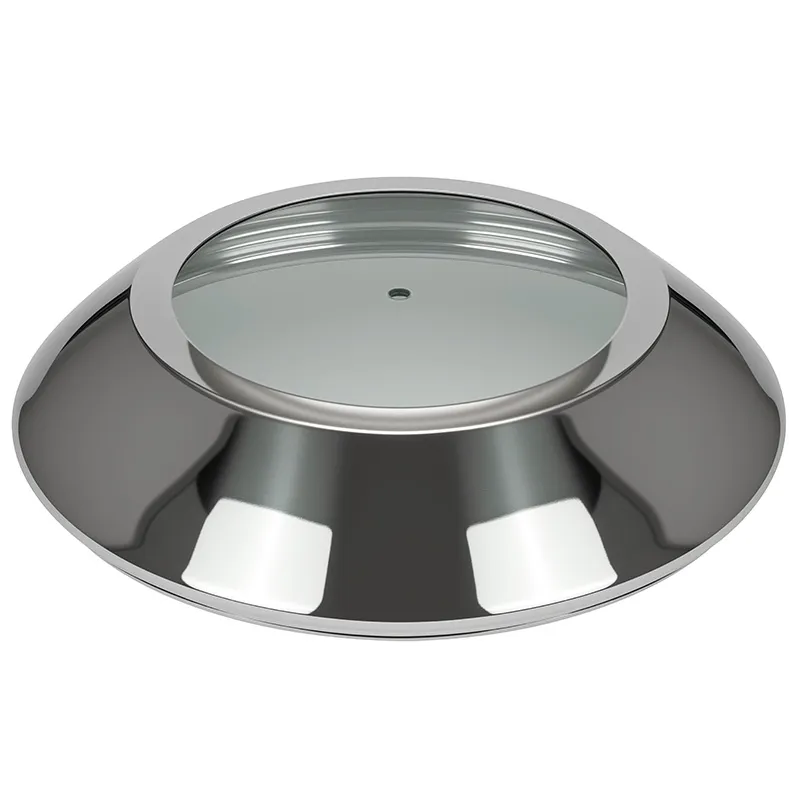
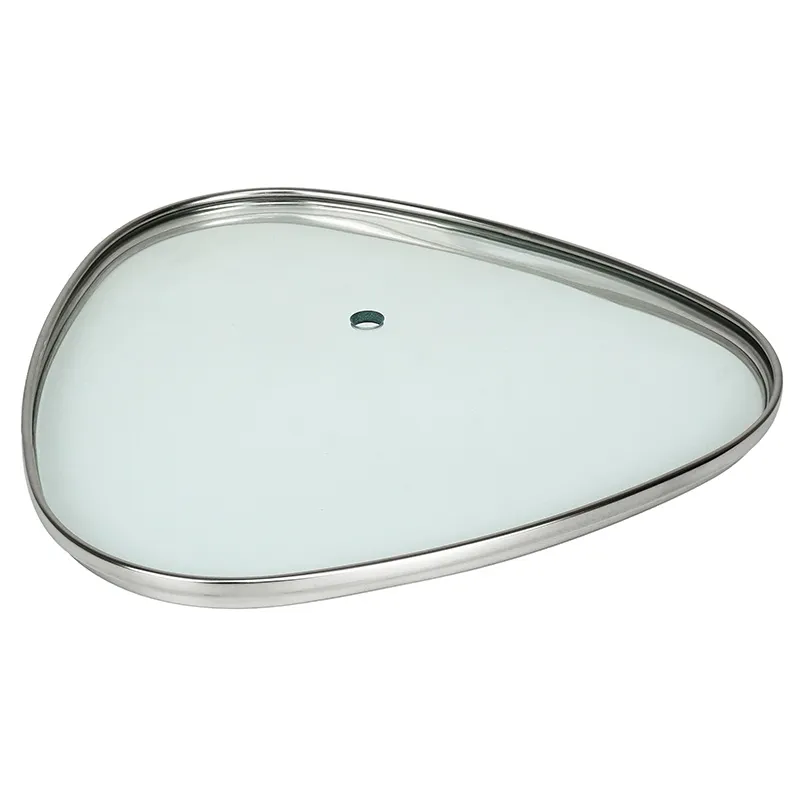
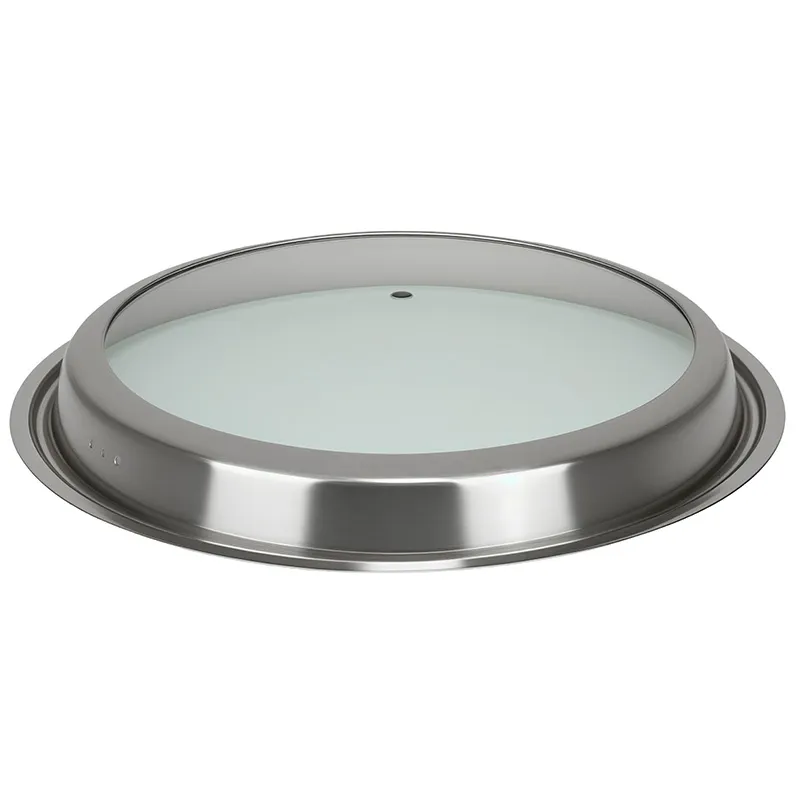
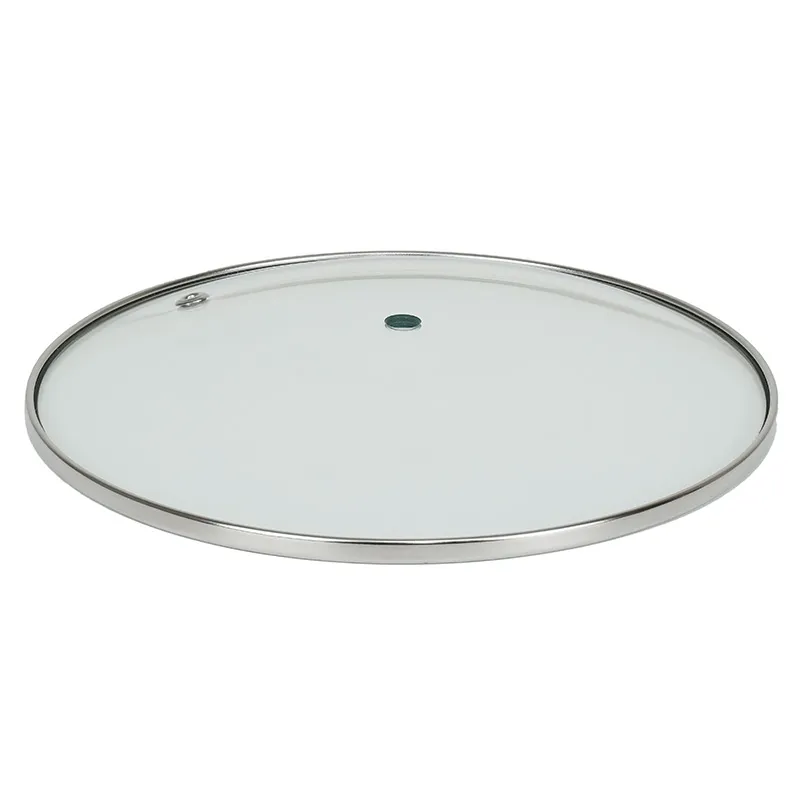
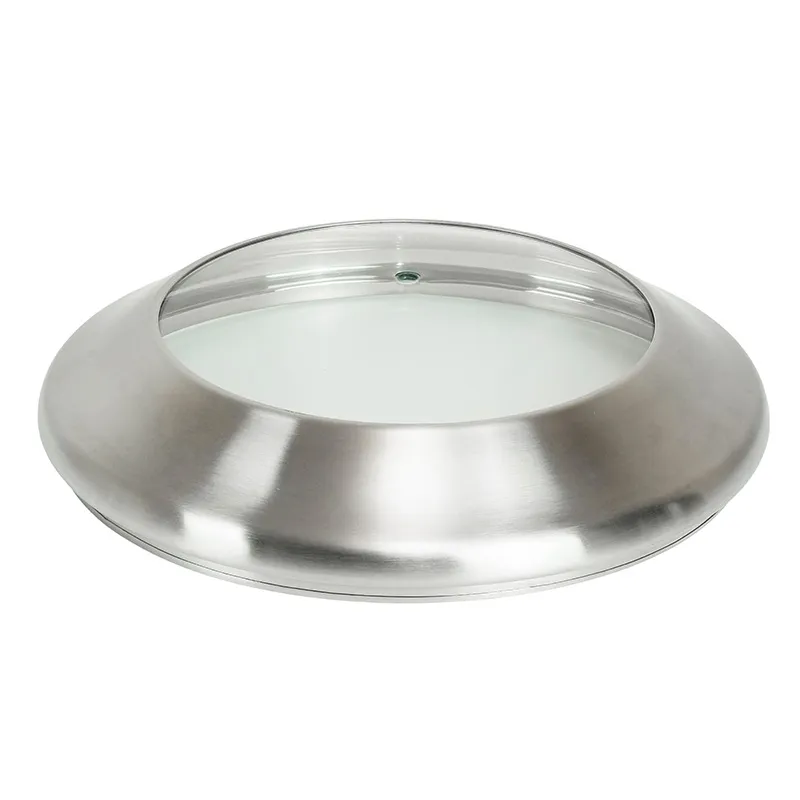
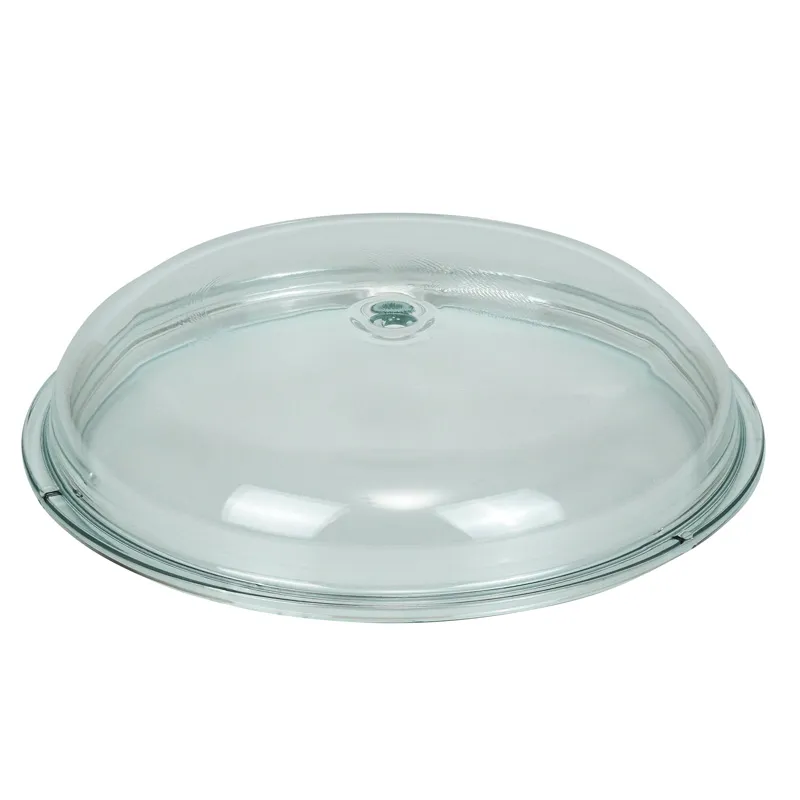
Z type tempered glass lid
When you hear 'Z type tempered glass lid', most people, even some in the trade, immediately picture just a clear cover for a pot. That's the first mistake. It's not just 'glass'. The 'Z type' refers to the specific, often under-engineered, hinge and handle mounting system that separates a product that lasts two years from one that lasts a decade. I've seen containers full of returns because someone sourced a lid where the 'Z' bracket was just glued on, not thermally fused. The glass itself is secondary; it's the marriage of the tempered glass to that metal or plastic framework that defines quality. Many factories, especially newer ones, prioritize the clarity of the glass but completely botch the stress points around the mounting. That's where failures happen, not in the center of the panel.
The Anatomy of a Proper Z-Type Lid
Let's break it down. The 'Z' is literal. You have the vertical arm that holds the handle, the horizontal top that sits over the glass edge, and the short vertical leg that actually clamps under the glass rim. This geometry is everything for stability. A common cost-cutting move is to make this bracket from a thinner gauge stainless steel or, worse, aluminum. Under repeated heat cycles, especially in commercial kitchens or even just a household dishwasher, thinner metal warps. Once it warps, the clamping force on the tempered glass lid is uneven. You'll hear a faint 'ting' sound one day – that's not the lid settling; that's a micro-fracture starting from an unsecured edge.
The tempering process for the glass is another area full of assumptions. True, it's safety glass, but the required surface compression for a lid is different from, say, a car side window. It needs to withstand direct, localized heat from below (think a boiling pot of pasta) and sudden thermal shock (cold water splashed on it). I recall a batch from a supplier a few years back where the quenching phase was too aggressive. The lids passed the standard impact test with a steel ball, but failed miserably in real life when placed on a wet countertop straight from a hot stove. The stress pattern was all wrong. They shattered into harmless granules, sure, but it's a mess and a failure nonetheless.
This is where companies with a dedicated production base get it right. I was looking at the specs from EUR-ASIA COOKWARE CO.,LTD (https://www.glass-lid.com). Their focus on producing millions of these lids annually for the European market isn't by accident. Markets like Germany and Denmark have brutal quality standards for kitchenware. Their product description hints at the scale – a 20,000㎡ facility with a 15 million piece annual output. That volume suggests specialized, automated lines for the Z-bracket assembly and tempering. It's not a sideline business for them. When a factory's main output is Z type tempered glass lid units, they're forced to solve these engineering problems at scale. The hinge point on their lids, for instance, likely uses a specific grade of stainless insert to prevent galling and wear over thousands of open-close cycles.
Real-World Fail Points and Observations
In practice, the devil is in the sealing. Not an airtight seal, but the seal between the glass periphery and the silicone or rubber gasket that sits in the Z-bracket channel. A poor-grade gasket material will off-gas under heat, leaving a faint yellow film on the underside of the glass. More critically, it hardens and cracks. I've had clients complain about 'rattling' lids after a year. That's almost always a degraded gasket, not the bracket itself. The fix is sourcing food-grade, high-temperature silicone O-rings or strips, which adds cost. Many factories use a cheaper EPDM rubber that simply doesn't last.
Another subtle point is the handle. It's often an afterthought. A handle attached only to the top horizontal part of the 'Z' bracket creates a lever arm that torques the entire assembly every time you lift the lid. Better designs have the handle bolts passing through both the horizontal and the vertical arm of the Z, triangulating the force directly down into the glass's supported edge. It's a small design choice with massive implications for longevity. You can spot it by looking underneath. If you see two bolt heads or rivets on the vertical section near the handle, that's a good sign.
We tried a run once with a 'universal' Z-type lid for a mid-range cookware line. The idea was to have one lid fit three different pan diameters within a 4cm range. It was a disaster. The Z-bracket was overly wide, and the gasket was a soft, bulbous profile meant to compress variably. In reality, on the smaller pan, it sat too deep, trapping steam and overheating the bracket. On the larger pan, it barely seated, creating a dangerous wobble. The lesson was clear: the Z type tempered glass lid is not a universal component. It's pan-specific. The radius of the glass, the width of the bracket channel, and the gasket profile must be matched to a specific pot rim diameter and curvature. EUR-ASIA's export focus likely means they work closely with European cookware brands to produce exact OEM specifications, not one-size-fits-all solutions.
The Export Quality Benchmark
Why does export matter? Because it's a proxy for compliance and durability testing. A lid sold in Brazil or Turkey faces different culinary stresses than one in Japan, but the baseline standards—like EU's Food Contact Material regulations (EC 1935/2004) or Germany's LFGB—are stringent. They mandate specific migration tests for heavy metals and other compounds from both the glass and any adjacent materials (like the bracket coating or gasket). A factory regularly shipping to Germany, Italy, and France, as noted in EUR-ASIA's profile, has its chemical testing and material traceability down to a system. This isn't optional for them; it's the cost of entry.
I've visited factories that serve only domestic markets, and the difference in material inspection is palpable. The glass might be fine, but the stainless steel for the bracket could be a 400-series instead of 304, prone to surface rust. Or the tempering might be inconsistent from batch to batch. Export-oriented manufacturers, especially with a large production base like the one in Taian City's High-tech Development Zone, typically invest in automated optical inspection for glass defects and robotic arm consistency in assembly. Their 90+ employees aren't just assemblers; they're line technicians and QC auditors. The annual output of 15 million pieces is a testament to that industrialized, repeatable process.
This brings us back to the keyword: tempered glass lid. The 'tempered' part is a promise of safety, but the 'Z type' is a promise of function and integration. You can have the best-tempered glass in the world, but if the metalwork holding it is subpar, the product fails. The industry's common pitfall is treating these as two separate components bought from different subsuppliers and slapped together. The successful producers integrate the design from the start. The glass is cut and tempered with the bracket's clamping pressure in mind; the bracket is formed to match the exact radius and thickness of the tempered glass panel.
Concluding Thoughts on Sourcing and Specifying
So, if you're sourcing or specifying these, what do you ask? Don't just ask for a 3mm tempered glass lid with stainless handle. That's useless. Specify the Z-bracket material gauge (e.g., 304 stainless, 0.8mm thickness), the gasket material (high-temp silicone, Shore A hardness 50±5), and the assembly method (mechanically riveted or bolted, with thermal shock resistance tested per ISO 4802-2:2010 or similar). Ask for the failure mode analysis – what breaks first in their stress testing? Is it the glass, or does the bracket deform?
Look at a company's export portfolio as a living resume. A company like EUR-ASIA COOKWARE, with over 90% export to technically demanding markets, has already been vetted by some of the world's toughest buyers. Their specialization in low-to-high level household glass products means they understand the gradient in quality and price points. A Z type tempered glass lid for a premium line will have different finishing touches—perhaps polished bracket edges, a more ergonomic handle, or a laser-etched measurement guide on the glass—compared to their economy line, but the fundamental engineering of the glass-to-bracket bond should be solid across the board.
In the end, it's an unsexy but critical component. A good one disappears into daily use, lasting for years. A bad one becomes a constant annoyance and a safety concern. The difference lies in those unglamorous details: the bend in the 'Z', the choice of a gasket, the tempering curve, and the rigor of the factory putting it all together. It's a product where true expertise is revealed not in the brochure, but in the silent, reliable performance over a thousand meals.
Related Products
Related Products