- Chinese
- French
- German
- Portuguese
- Spanish
- Russian
- Japanese
- Korean
- Arabic
- Irish
- Greek
- Turkish
- Italian
- Danish
- Romanian
- Indonesian
- Czech
- Afrikaans
- Swedish
- Polish
- Basque
- Catalan
- Esperanto
- Hindi
- Lao
- Albanian
- Amharic
- Armenian
- Azerbaijani
- Belarusian
- Bengali
- Bosnian
- Bulgarian
- Cebuano
- Chichewa
- Corsican
- Croatian
- Dutch
- Estonian
- Filipino
- Finnish
- Frisian
- Galician
- Georgian
- Gujarati
- Haitian
- Hausa
- Hawaiian
- Hebrew
- Hmong
- Hungarian
- Icelandic
- Igbo
- Javanese
- Kannada
- Kazakh
- Khmer
- Kurdish
- Kyrgyz
- Latin
- Latvian
- Lithuanian
- Luxembou..
- Macedonian
- Malagasy
- Malay
- Malayalam
- Maltese
- Maori
- Marathi
- Mongolian
- Burmese
- Nepali
- Norwegian
- Pashto
- Persian
- Punjabi
- Serbian
- Sesotho
- Sinhala
- Slovak
- Slovenian
- Somali
- Samoan
- Scots Gaelic
- Shona
- Sindhi
- Sundanese
- Swahili
- Tajik
- Tamil
- Telugu
- Thai
- Ukrainian
- Urdu
- Uzbek
- Vietnamese
- Welsh
- Xhosa
- Yiddish
- Yoruba
- Zulu
- Kinyarwanda
- Tatar
- Oriya
- Turkmen
- Uyghur

How to Choose the Right Tempered Glass Lid: Size, Heat Resistance, and Safety Explained
2026-05-06
- Understanding Tempered Glass Lid Fundamentals
- Precise Sizing: How to Measure for a Perfect Fit
- Heat Resistance Ratings and Oven Safety
- Safety Features and Structural Integrity
- Comparative Analysis of Lid Types
- Maintenance and Longevity Best Practices
- Frequently Asked Questions (FAQ)
- Final Recommendations and Next Steps
Choosing the right tempered glass lid involves verifying exact pot diameter, confirming heat resistance ratings up to 400°F (200°C), and ensuring safety features like reinforced rims and steam vents. This guide explains how to measure accurately, interpret thermal shock specifications, and identify high-quality manufacturing standards to prevent breakage and ensure kitchen safety.
Understanding Tempered Glass Lid Fundamentals
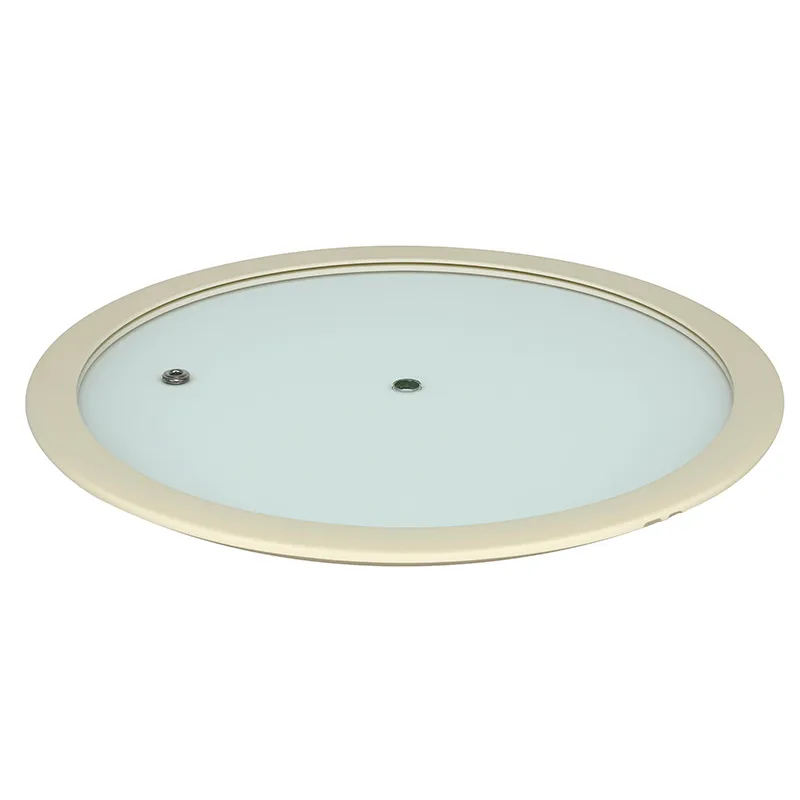
Tempered glass lids are essential components in modern cookware, designed to withstand high temperatures while allowing users to monitor cooking progress without lifting the cover. Unlike standard annealed glass, tempered glass undergoes a rigorous thermal or chemical treatment process that increases its strength significantly.
This strengthening process creates internal compression on the surface and tension in the center. If the glass does break, it shatters into small, granular chunks rather than sharp, dangerous shards. This safety mechanism is the primary reason why tempered glass is the industry standard for cookware lids.
When selecting a lid, understanding the material science behind it helps consumers avoid inferior products. High-quality lids maintain structural integrity even when subjected to rapid temperature changes, a phenomenon known as thermal shock. Lower quality alternatives may crack spontaneously if moved from a hot stove to a cool counter.
The transparency of the glass is another critical factor. Premium manufacturers use low-iron glass formulations to ensure clarity remains high even after repeated heating cycles. Cloudiness or discoloration over time often indicates lower-grade materials that cannot withstand prolonged exposure to steam and heat.
These rigorous standards are exemplified by industry leaders like EUR-ASIA COOKWARE CO.,LTD., a specialized manufacturer based in the Taian City High-tech Development Zone in Shandong, China. With an annual output exceeding 15 million pieces, the company focuses on producing household glass products ranging from entry-level to premium grades. Their commitment to quality is evidenced by ISO9001 certification, along with LFGB and TUV approvals for their products, ensuring that every lid meets international safety and durability benchmarks before reaching markets in Germany, Russia, Italy, and beyond.
The Thermal Shock Resistance Mechanism
Thermal shock occurs when different parts of an object experience sudden temperature differences, causing uneven expansion or contraction. In the context of cookware, this happens when a cold lid is placed on a boiling pot or a hot lid is rinsed under cold water.
Quality tempered glass lids are engineered to handle temperature deltas of up to 150°C (300°F) instantly. This capability is achieved through precise control during the tempering oven phase, where the glass is heated to approximately 620°C and then rapidly cooled.
Consumers should look for products that explicitly state their thermal shock resistance capabilities. While many generic lids claim to be “heat resistant,” only those tested against specific thermal gradients offer genuine reliability in dynamic cooking environments.
Failure to recognize these limits can lead to spontaneous breakage. Although the safety fragmentation pattern minimizes injury risk, a shattered lid ruins the cooking process and requires immediate cleanup, disrupting meal preparation.
Precise Sizing: How to Measure for a Perfect Fit
The most common error in purchasing replacement lids is incorrect sizing. A lid that is too small will not seal properly, leading to heat loss and extended cooking times. Conversely, a lid that is too large may not sit securely, posing a tipping hazard or failing to trap steam effectively.
To ensure accuracy, measurements must be taken from the outer edge of the cookware rim, not the inner diameter. Including the thickness of the pot wall is crucial because lids are designed to rest on the exterior lip of the vessel.
Using a flexible measuring tape or a ruler, measure across the widest point of the pot opening. For round pots, this is a straightforward diameter measurement. For square or rectangular vessels, measure the diagonal distance if the lid is square, or the specific length and width if the lid is rectangular.
It is advisable to measure in both inches and centimeters, as manufacturing standards vary globally. Many European brands utilize metric sizing exclusively, while North American products often rely on imperial measurements. Having both figures prevents conversion errors during the selection process.
Standard Size Categories and Tolerances
Cookware lids generally fall into standard size increments, typically ranging from 16cm (6 inches) to 28cm (11 inches). Understanding these categories helps narrow down choices quickly when browsing product listings.
- Small (16cm – 18cm): Ideal for saucepans, milk pots, and single-serving vessels.
- Medium (20cm – 24cm): The most common range, fitting standard frying pans, sauté pans, and medium stockpots.
- Large (26cm – 28cm+): Designed for large Dutch ovens, family-sized stockpots, and roasting pans.
Manufacturers usually build a slight tolerance into the design, often allowing a variance of +/- 0.5cm. However, relying on tolerance is risky. It is always better to match the measurement exactly rather than hoping a “close enough” size will function correctly.
Some universal lids feature silicone rims that expand to fit a range of sizes. While convenient, these often lack the rigid seal required for pressure-building tasks like braising or steaming vegetables. For dedicated cookware sets, a fixed-size tempered glass lid remains superior.
Shape Compatibility Beyond Diameter
Diameter is not the sole determinant of fit. The curvature of the lid must match the profile of the pot. A flat lid will not seal correctly on a domed wok, just as a highly domed lid may interfere with stirring in a shallow skillet.
Rectangular and square pots present unique challenges. In these cases, the corner radius is critical. If the lid’s corners are too sharp or too rounded compared to the pot, gaps will form, allowing steam to escape unevenly.
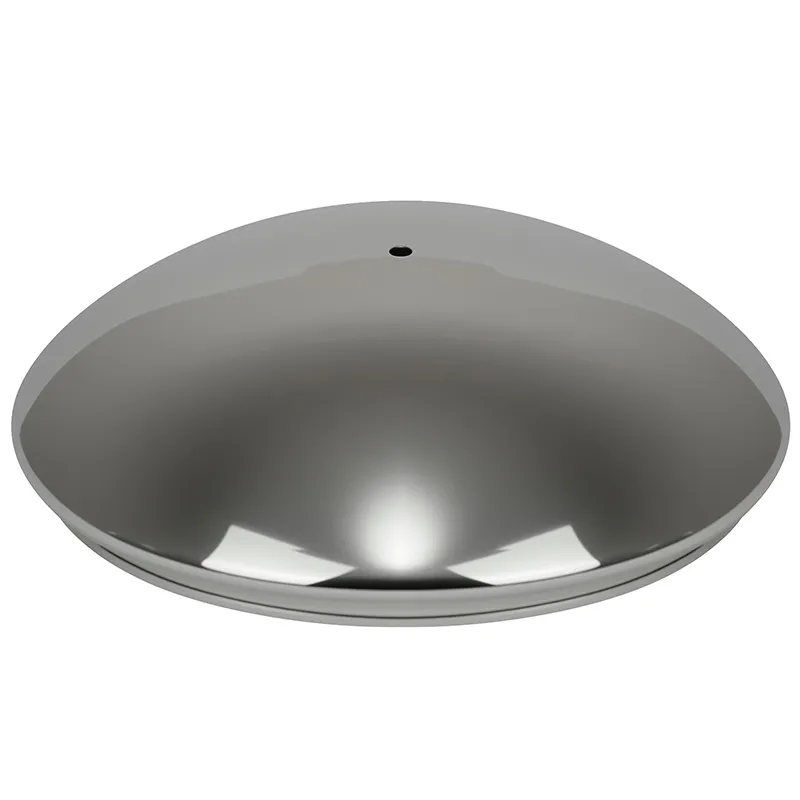
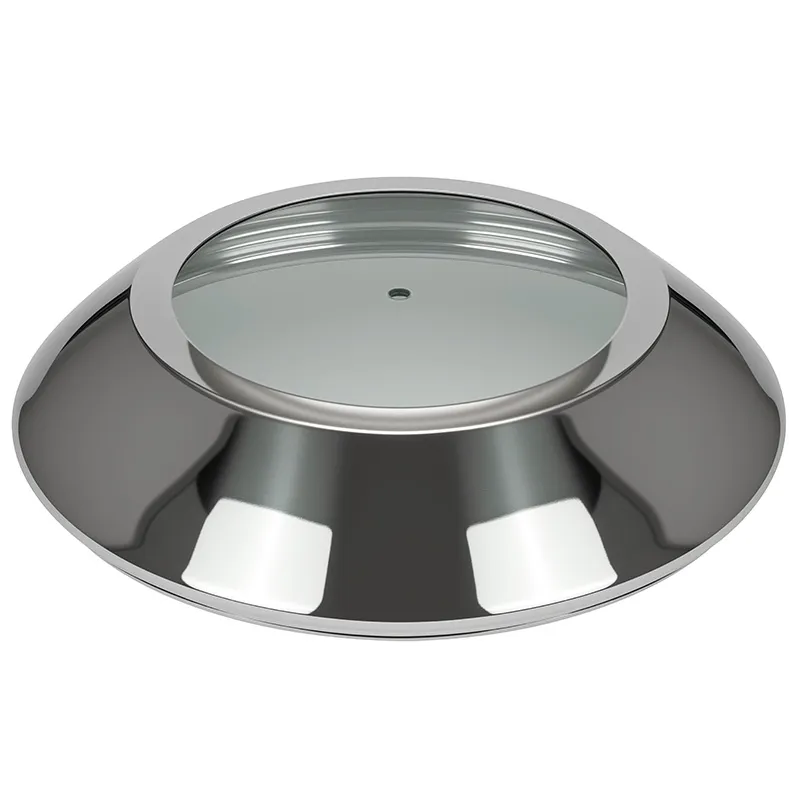
Specialty cookware, such as grill pans with pouring spouts, requires lids with specific cutouts. Using a standard round lid on a pan with a spout will result in an improper fit and potential stability issues. Always verify the shape profile before finalizing a purchase. This is where custom manufacturing capabilities become valuable; experienced producers like EUR-ASIA COOKWARE can fabricate high-curvature, tall, flat, and other special-shaped glass covers according to specific customer demands, ensuring a perfect fit for unique cookware designs.
Heat Resistance Ratings and Oven Safety
One of the primary advantages of tempered glass lids is their versatility across different heat sources. However, not all glass lids are created equal regarding maximum temperature thresholds. Understanding heat resistance ratings is vital for users who transition cookware from stovetop to oven.
High-quality tempered glass lids are typically rated safe for continuous use up to 400°F (200°C). Some premium models can withstand temperatures as high as 450°F (230°C). Exceeding these limits compromises the structural integrity of the glass, increasing the risk of failure.
Users must distinguish between stovetop safety and oven safety. While a lid may handle the direct flame of a gas burner indirectly through the pot, placing it directly under an oven broiler is often prohibited unless explicitly stated by the manufacturer.
The handle material attached to the glass also dictates the overall heat resistance. Even if the glass can withstand 400°F, a plastic or low-grade silicone knob may melt or deform at lower temperatures. Always check the rating of the entire assembly, not just the glass panel.
Stovetop Compatibility Guidelines
Tempered glass lids are compatible with gas, electric, and ceramic glass cooktops. On induction cooktops, the lid itself does not generate heat, but the pot does. The lid must be able to withstand the radiant heat rising from the induction-heated vessel.
When using high-heat searing techniques, ensure the lid is not left on the pot if the temperature exceeds the rated limit. For methods requiring extreme heat, such as wok cooking, it is often safer to use a metal lid or leave the vessel uncovered.
Sudden exposure to open flames should be avoided. While the glass is strong, direct contact with a flame jet can create a localized hot spot that exceeds the thermal shock threshold, leading to immediate cracking.
For oven use, always place the cookware in the oven before turning it on. Placing a cold lid into a preheated oven creates a severe thermal shock event. Gradual heating allows the glass to expand uniformly, maintaining its structural bond.
Handle Material Impact on Heat Tolerance
The attachment point between the glass and the handle is a potential weak link. Stainless steel handles offer the highest heat resistance, often matching the glass rating. Silicone-coated handles provide grip but may have lower temperature limits.
- Stainless Steel: Safe up to 500°F+, ideal for oven finishing.
- Phenolic Resin: Typically rated to 350°F-400°F; common in mid-range cookware.
- Silicone: Varies widely; check specific manufacturer ratings as some degrade above 300°F.
If the handle becomes loose due to heat expansion differences between the metal screw and the glass hole, the lid becomes unsafe to use. Regularly inspect the tightness of the handle screw, especially after oven use.
Some advanced designs utilize a floating handle system that allows for independent expansion of the glass and the handle hardware. This engineering detail significantly reduces stress on the glass around the mounting hole, extending the product’s lifespan.
Safety Features and Structural Integrity
Safety is the paramount concern when selecting cookware lids. Beyond the inherent shatter-resistance of tempered glass, several design features contribute to safe operation in a busy kitchen environment. These features prevent accidents related to steam burns, slipping, and breakage.
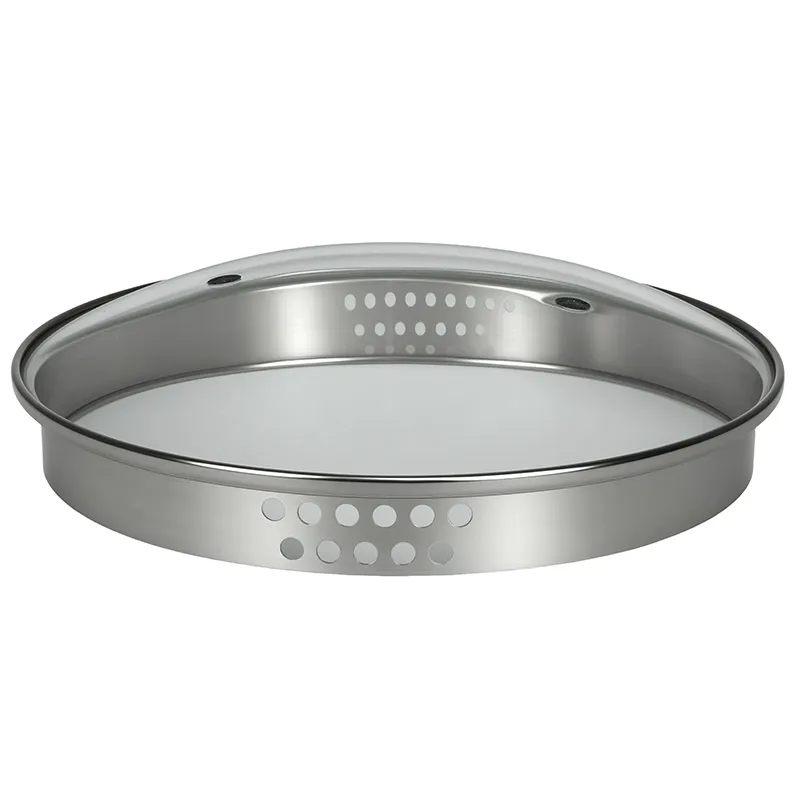
A critical safety component is the steam vent. Without a controlled release mechanism, pressure can build up inside the pot, causing the lid to rattle violently or lift unexpectedly. A well-designed vent allows excess steam to escape quietly while maintaining enough pressure for efficient cooking.
The rim design also plays a role in safety. Reinforced rims add structural rigidity to the edge of the glass, which is the most vulnerable area during handling. A chipped or damaged rim can compromise the entire piece, making it prone to catastrophic failure.
Ergonomic handles that remain cool to the touch reduce the risk of burns during retrieval. Handles should be large enough to grip securely with an oven mitt but balanced so the lid does not tip when lifted. Poor balance can lead to spills of hot liquids.
Steam Vent Designs and Functionality
Steam vents come in various configurations, each suited to different cooking styles. The simplest form is a small hole drilled directly into the glass. While effective, these can sometimes allow too much moisture to escape, drying out dishes that require braising.
More sophisticated lids feature integrated metal or silicone vent covers that can be opened or closed. This adjustability gives the cook control over the internal humidity levels. Closing the vent traps moisture for steaming, while opening it reduces liquid for reduction sauces.
Some designs incorporate a “drip-return” ridge on the underside of the lid. This feature condenses steam and channels it back toward the center of the pot rather than letting it run down the sides. This keeps stovetops cleaner and ensures flavors remain in the dish.
Regardless of the design, the vent must be easy to clean. Food particles can clog small vents, rendering them ineffective and potentially creating pressure hazards. Removable vent plugs are a premium feature that simplifies maintenance.
Edge Reinforcement and Durability
The edges of tempered glass are susceptible to impact damage. Dropping a lid on a hard countertop can chip the edge, creating a stress concentration point. Over time, thermal cycling can cause cracks to propagate from these chips.
High-end manufacturers often apply a protective metal band or a thickened glass bead around the perimeter. This reinforcement absorbs minor impacts and protects the fragile edge during washing and storage.
Inspect the edge finish carefully. It should be smooth and polished, known as a “seamed” edge. Rough or jagged edges indicate poor manufacturing quality and pose a cut risk during handling. A high-quality finish also contributes to a better seal against the pot rim.
Regular inspection for micro-cracks is essential. Even if the lid appears functional, invisible stress fractures can lead to sudden failure under heat. If any damage is detected, the lid should be replaced immediately to ensure kitchen safety.
Comparative Analysis of Lid Types
Selecting the right lid often involves weighing the benefits of tempered glass against other materials. While this guide focuses on glass, understanding where it excels and where it might have limitations compared to metal or hybrid options helps in making an informed decision.
The following table compares key attributes of tempered glass lids versus stainless steel lids, highlighting why glass is often preferred for specific cooking scenarios despite the durability advantages of metal.
| Feature | Tempered Glass Lid | Stainless Steel Lid |
|---|---|---|
| Visibility | Full visibility of food; no need to lift. | Opaque; requires lifting to check progress. |
| Heat Retention | Good, but slightly less than heavy metal. | Excellent; superior insulation properties. |
| Weight | Moderate; easier to handle for most users. | Heavy; can be cumbersome on large pots. |
| Breakage Risk | Low, but possible under extreme thermal shock. | Virtually non-existent; highly durable. |
| Steam Monitoring | Easy to observe evaporation levels. | Difficult; relies on sound or smell. |
| Oven Safety | Limited by glass and handle rating (usually 400°F). | Generally safe to very high temperatures. |
As illustrated, the primary advantage of tempered glass is visibility. For dishes that require precise monitoring of color changes, liquid reduction, or bubbling intensity, glass is unmatched. This eliminates the need to frequently lift the lid, which disrupts the cooking environment and releases heat.
However, for long-simmering stocks or situations where maximum heat retention is critical, a heavy stainless steel lid might perform slightly better. Yet, for the average home cook, the convenience of seeing the food outweighs the marginal difference in thermal efficiency.
Hybrid lids, which feature a glass center surrounded by a metal rim, attempt to combine the best of both worlds. They offer visibility with added edge protection and improved heat distribution. These are excellent choices for users concerned about edge durability.
Scenario-Based Selection Guide
Different cooking tasks benefit from specific lid characteristics. Matching the lid type to the culinary application ensures optimal results and prolongs the life of the cookware.
- Simmering Sauces: Tempered glass is ideal for watching consistency thicken without removing the cover.
- Steaming Vegetables: Visibility allows users to check tenderness precisely, preventing overcooking.
- Deep Frying: Generally not recommended to cover completely, but a glass splatter screen with a vent offers safety and visibility.
- Braising Meats: A tight-sealing glass lid traps moisture effectively while allowing visual checks on browning.
For high-heat searing or wok cooking, the risk of thermal shock increases. In these high-intensity scenarios, a metal lid or no lid at all is often the safer professional choice. Reserve tempered glass lids for low-to-medium heat applications where monitoring is key.
Consider the frequency of use. A lid used daily for boiling water faces more thermal cycling than one used weekly for slow cooking. Heavy-duty usage warrants investing in a lid with reinforced edges and higher thermal shock ratings.
Maintenance and Longevity Best Practices
Proper care extends the lifespan of tempered glass lids significantly. While they are durable, they are not indestructible. Adhering to specific cleaning and storage guidelines prevents premature wear and maintains safety standards.
Avoid subjecting the lid to extreme temperature fluctuations during cleaning. Never take a hot lid directly from the stove and plunge it into cold water. Allow it to cool naturally to room temperature before washing.
When washing, use non-abrasive sponges. Steel wool or harsh scouring pads can scratch the surface of the glass. While superficial scratches do not compromise structural integrity, they can obscure visibility and harbor bacteria over time.
Dishwasher safety varies by brand. While many tempered glass lids are dishwasher safe, the harsh detergents and high heat of the drying cycle can degrade silicone gaskets or loosen handle screws over time. Hand washing is often recommended for longevity.
Storage Solutions to Prevent Damage
Improper storage is a leading cause of lid breakage. Stacking heavy pots on top of glass lids can exert uneven pressure, leading to cracks. Always store lids vertically in a dedicated rack or horizontally with a protective layer between items.
If stacking is necessary, place a soft cloth or paper towel between the lid and the item above it. This cushion absorbs minor shocks and prevents hard contacts that could chip the glass edges.
Hanging storage is an excellent alternative for kitchens with limited cabinet space. Hooks designed for cookware handles keep lids suspended, eliminating the risk of stacking damage entirely. Ensure the hook is padded to prevent scratching the handle finish.
Regularly check the fit of the handle. Vibrations from cooking and washing can loosen the securing screw. Tightening this screw periodically ensures the handle remains secure, preventing accidental drops that could shatter the glass.
Identifying Signs of Wear and Replacement
Knowing when to retire a lid is crucial for safety. Unlike metal cookware that dents or warps, glass failure can be sudden. Be vigilant for signs of degradation that indicate the lid is nearing the end of its service life.
- Cloudiness: Persistent fogging that does not wash off indicates microscopic surface degradation.
- Chips: Any chip on the rim, no matter how small, compromises the tension balance of the tempered glass.
- Loose Handles: If the handle wobbles despite tightening, the mounting hole may be enlarged or cracked.
- Discoloration: Yellowing or brown stains that penetrate the glass suggest material breakdown from excessive heat.
If any of these signs are present, replace the lid immediately. The cost of a new lid is negligible compared to the risk of injury or ruined meals. Do not attempt to repair chipped tempered glass, as the structural integrity cannot be restored.
Frequently Asked Questions (FAQ)
Addressing common queries helps clarify uncertainties regarding tempered glass lid usage, safety, and compatibility. These answers are based on general industry standards and material properties.
Can I put a tempered glass lid in the oven?
Yes, most tempered glass lids are oven-safe, but temperature limits apply. Typically, they are safe up to 400°F (200°C). Always verify the specific rating provided by the manufacturer, as handle materials may have lower heat tolerance than the glass itself. Avoid using them under the broiler.
Why did my glass lid crack spontaneously?
Spontaneous cracking is usually caused by thermal shock or pre-existing damage. Placing a cold lid on a very hot pot, or vice versa, creates rapid expansion that the glass cannot accommodate. Additionally, a small, unseen chip on the rim can act as a failure point under heat stress.
Is tempered glass lid safe if it breaks?
Yes, tempered glass is designed to shatter into small, blunt cubes rather than sharp shards. This significantly reduces the risk of severe cuts compared to regular glass. However, caution is still required during cleanup to remove all fragments from the cooking area and food.
How do I clean cloudy tempered glass?
Cloudiness is often caused by mineral deposits from hard water or starch residue. Soak the lid in a mixture of warm water and white vinegar for 30 minutes, then scrub gently with a non-abrasive sponge. Avoid boiling the lid in vinegar, as extreme heat during cleaning can cause stress.
Are all tempered glass lids universal?
No, lids are not universally interchangeable due to variations in diameter, shape, and rim design. While some adjustable silicone-rimmed lids exist, they often do not seal as effectively as purpose-fitted glass lids. Always measure your cookware precisely before purchasing a replacement.
Can I get a custom logo on my glass lid?
Yes, many manufacturers offer customization services. For instance, companies like EUR-ASIA COOKWARE allow customers to print logos directly onto the product according to specific requirements, making it easier for brands to create cohesive cookware sets or for consumers to personalize their kitchen tools.
Final Recommendations and Next Steps
Selecting the right tempered glass lid is a balance of precise measurement, understanding thermal limits, and recognizing safety features. By prioritizing exact sizing, verifying heat resistance ratings, and choosing products with reinforced edges and proper steam vents, users can enhance their cooking experience safely.
This choice is particularly suitable for home cooks who value visual monitoring of their dishes and require versatile cookware that transitions smoothly between stovetop and moderate oven use. It is less ideal for ultra-high-heat commercial searing or for users who prioritize indestructible durability over visibility.
To proceed, measure your current cookware diameters accurately and review the temperature ratings of your typical cooking methods. Look for products that explicitly state their thermal shock resistance and inspect the build quality of the handle and rim. Investing in a high-quality, correctly sized tempered glass lid—preferably from certified manufacturers with a proven track record of exporting to stringent markets like Europe and Japan—ensures years of safe and efficient cooking.