- Chinese
- French
- German
- Portuguese
- Spanish
- Russian
- Japanese
- Korean
- Arabic
- Irish
- Greek
- Turkish
- Italian
- Danish
- Romanian
- Indonesian
- Czech
- Afrikaans
- Swedish
- Polish
- Basque
- Catalan
- Esperanto
- Hindi
- Lao
- Albanian
- Amharic
- Armenian
- Azerbaijani
- Belarusian
- Bengali
- Bosnian
- Bulgarian
- Cebuano
- Chichewa
- Corsican
- Croatian
- Dutch
- Estonian
- Filipino
- Finnish
- Frisian
- Galician
- Georgian
- Gujarati
- Haitian
- Hausa
- Hawaiian
- Hebrew
- Hmong
- Hungarian
- Icelandic
- Igbo
- Javanese
- Kannada
- Kazakh
- Khmer
- Kurdish
- Kyrgyz
- Latin
- Latvian
- Lithuanian
- Luxembou..
- Macedonian
- Malagasy
- Malay
- Malayalam
- Maltese
- Maori
- Marathi
- Mongolian
- Burmese
- Nepali
- Norwegian
- Pashto
- Persian
- Punjabi
- Serbian
- Sesotho
- Sinhala
- Slovak
- Slovenian
- Somali
- Samoan
- Scots Gaelic
- Shona
- Sindhi
- Sundanese
- Swahili
- Tajik
- Tamil
- Telugu
- Thai
- Ukrainian
- Urdu
- Uzbek
- Vietnamese
- Welsh
- Xhosa
- Yiddish
- Yoruba
- Zulu
- Kinyarwanda
- Tatar
- Oriya
- Turkmen
- Uyghur


Questions to Ask a Tempered Glass Lid Supplier in China Before Placing a Bulk Order
2026-11-02
Summary: Before placing a bulk order with a tempered glass lid supplier in China, buyers should confirm product specifications, drawings, samples, quality requirements, packaging, pricing, production schedules, and shipping arrangements. This guide provides practical questions to help importers, cookware brands, wholesalers, and OEM/ODM buyers clarify important order details before production begins.
Placing a bulk order for tempered glass lids involves more than confirming a product price and quantity. Buyers also need to make sure that product specifications are clear, samples have been approved, quality requirements are understood, and delivery arrangements are agreed upon.
Even when a supplier’s product range appears suitable, differences in dimensions, edge construction, handle configurations, packaging, or order terms can create problems if they are not discussed in advance.
Before working with a tempered glass lid supplier in China, importers, wholesalers, and cookware brands should prepare a structured list of questions. The following guide covers the main points to confirm, from product specifications and sample approval to mass production and final shipment.
1. What Product Specifications Should You Confirm with a Tempered Glass Lid Supplier?
The first step is to make sure the supplier understands exactly what you intend to purchase. A general product description or nominal diameter may not provide enough information for accurate quotation, sampling, or production.
1.1 Does the Supplier Offer the Exact Glass Lid Type You Need?
Start by confirming whether the supplier can provide the specific glass lid structure required for your cookware project.
Questions to ask include:
- What types of tempered glass lids are available?
- Can you supply lids with stainless steel rims or silicone rims?
- What handle or knob configurations can be provided?
- Can the lid include a steam vent if required by the design?
- Are the requested configurations available as standard products or do they require customization?
These questions help clarify whether the supplier’s existing product range matches your requirements.
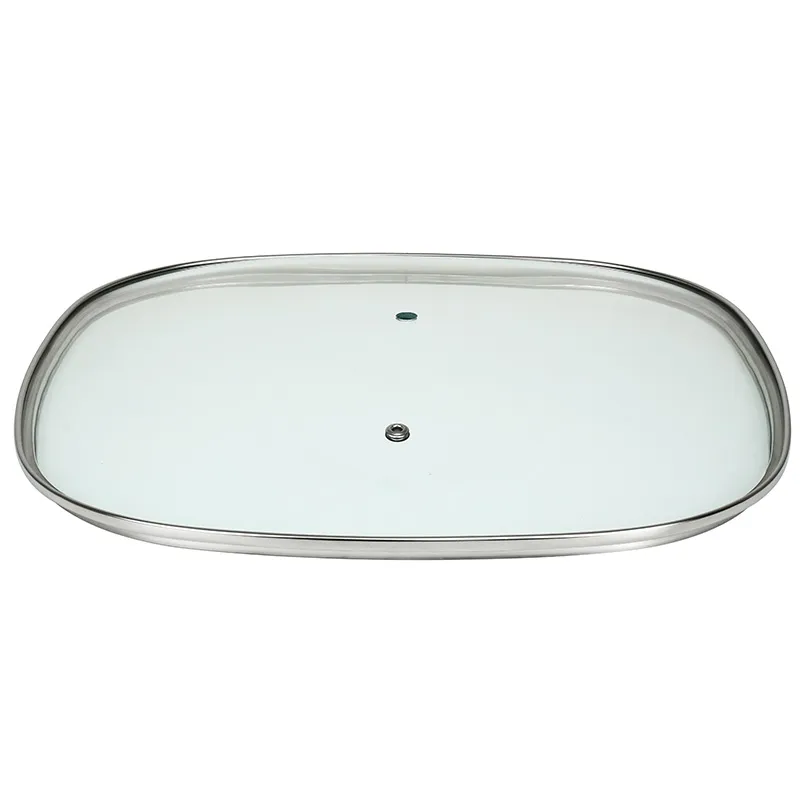
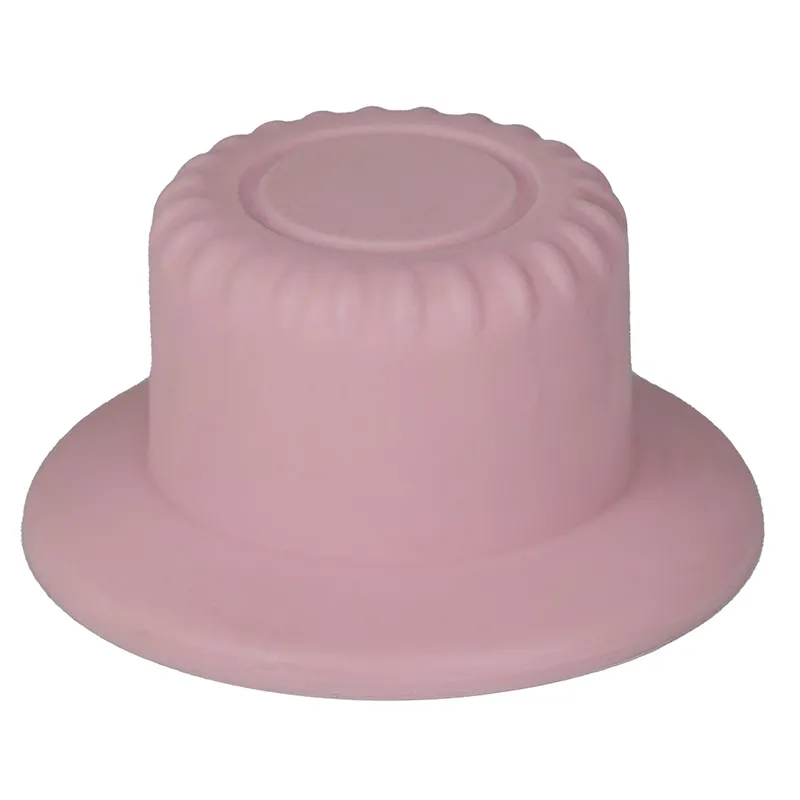
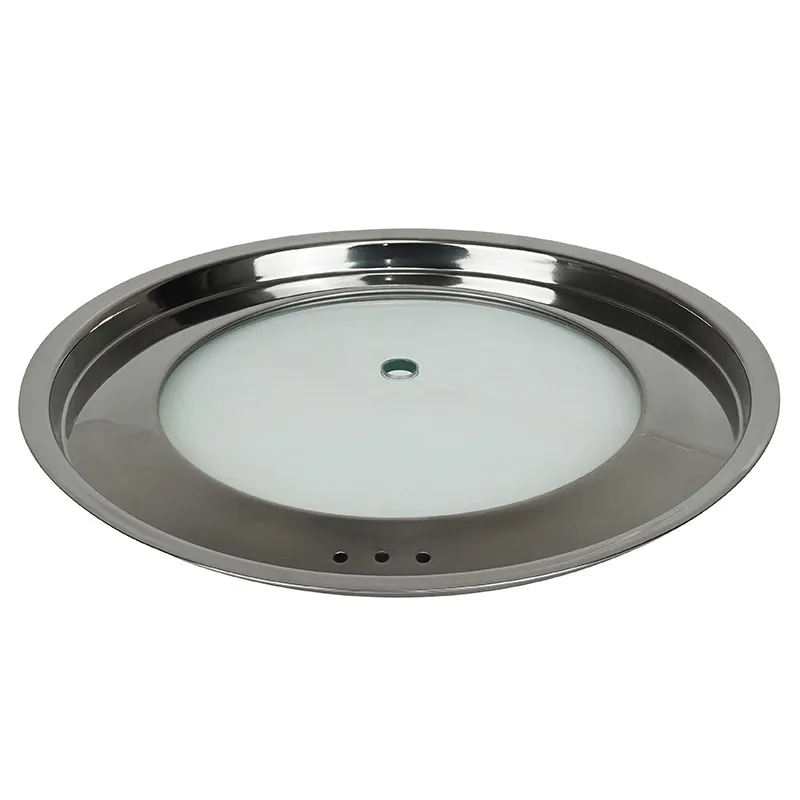
For example, a cookware brand may need a round tempered glass lid with a particular rim construction and handle configuration. Another buyer may require a lid designed around an existing cookware product. Although both products may be described as glass lids, their specifications and component requirements can be different.
Do not assume that every supplier offers every rim, handle, or accessory option. Ask for confirmation based on the specific product you intend to order.
1.2 Can You Confirm the Dimensions and Technical Specifications?
Product dimensions should be clearly defined before a supplier prepares a quotation or sample.
Ask the supplier:
- What are the overall dimensions of the proposed lid?
- How is the nominal diameter measured?
- What glass thickness is available for the required design?
- Are the edge dimensions and rim construction specified?
- Can you provide a technical drawing or specification sheet?
- Which measurement points should be used when checking the finished product?
A glass lid specification should cover more than its nominal diameter. Depending on the design, important details may include glass dimensions, thickness, edge profile, rim dimensions, and accessory positions.
For customized products, a drawing or specification sheet can help both parties work from the same requirements. It should identify the critical dimensions and clarify how they are measured.
If dimensional tolerances are important to the cookware application, ask the supplier to confirm the applicable tolerances in writing. Avoid relying on general assumptions about acceptable deviations.
1.3 Are the Lid Design and Accessories Compatible with Your Cookware?
A glass lid must suit the cookware for which it is intended. Matching the nominal diameter alone does not necessarily establish a proper fit.
Questions to ask include:
- Does the lid profile match the intended cookware opening?
- Is the edge construction suitable for the pot rim?
- Are the handle or knob position and installation requirements confirmed?
- Is the steam vent position consistent with the intended design?
- Do you need a cookware drawing, physical sample, or additional measurements to check compatibility?
The relationship between the lid edge and the cookware rim is particularly important. Different cookware designs may have different rim shapes and seating requirements.
Buyers should therefore provide relevant cookware dimensions, drawings, or reference samples when necessary. The supplier should confirm which information is needed to evaluate the proposed lid design.
For projects involving customized cookware, it is better to resolve compatibility questions during specification and sample development rather than after bulk production has started.
2. What Should You Ask About Drawings and Sample Approval?
Once the product requirements are understood, the next step is to confirm how they will be translated into a production-ready design.
Drawings and samples provide a practical basis for checking whether both parties have the same understanding of the product.
2.1 Can You Review Our Drawings Before Sample Production?
Ask the supplier whether they can review your product drawings before preparing samples.
Useful questions include:
- Can you review drawings supplied by our engineering or product development team?
- Are the dimensions, glass thickness, edge construction, and accessories clearly identified?
- Will you point out dimensions or design details that need clarification?
- Which drawing version will be used for sample development?
- How will drawing revisions be recorded?
Depending on the project, the drawing may identify:
- Overall lid dimensions
- Glass thickness
- Edge or rim construction
- Handle or knob configuration
- Steam vent position, if applicable
- Other critical dimensions or assembly details
If a drawing contains unclear measurements or conflicting specifications, these points should be resolved before sample production.
Buyers should also make sure that the supplier is working from the latest version. A practical approach is to identify each drawing by its revision number or date and confirm which version is approved for sample development.
2.2 Can You Provide Samples Before We Place a Bulk Order?
For products with specific dimensions, construction details, or customization requirements, sample evaluation can help buyers identify potential issues before committing to a larger quantity.
Ask:
- Can you prepare a sample based on our confirmed specifications?
- Will the sample use the required glass thickness and edge construction?
- Can the sample include the intended handle, knob, and other accessories?
- How long will sample preparation take?
- Are there sample, customization, or shipping charges?
The sample should represent the planned order as closely as possible. If the final product will use a particular rim structure or accessory configuration, these details should also be included in the sample evaluation where applicable.
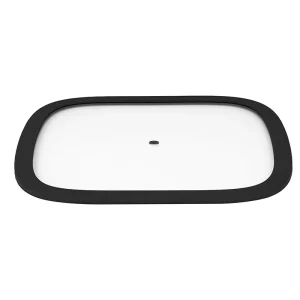
After receiving the sample, buyers can check:
- Overall dimensions and important measurements
- Glass appearance and edge condition
- Rim structure and finishing
- Handle or knob installation
- Steam vent position, if required
- Fit with the intended cookware
Sample costs, preparation time, and delivery arrangements should be confirmed with the supplier rather than assumed to be the same for every project.
2.3 How Will You Record Sample Approval and Design Changes?
Sample approval should be documented clearly before bulk production begins.
Ask the supplier:
- How will our sample approval be recorded?
- Can the approved sample and its specifications be retained for reference?
- How will you identify the approved drawing and sample versions?
- What happens if dimensions or accessories need to change after approval?
- Will revised samples require another approval?
A written approval record helps prevent confusion about which product configuration has been accepted.
For example, if a buyer approves a sample with a specific rim structure and handle configuration, the approval record should identify those details. If the handle design or another important specification changes later, both parties should review and approve the revised requirements.
A practical approval sequence is:
- Submit the product drawing and initial specifications.
- Review and clarify technical details with the supplier.
- Prepare the sample.
- Evaluate the sample against the requirements.
- Record approval or request revisions.
- Confirm the final approved version for production.
The important point is to establish a clear reference before the bulk order proceeds.
3. What Quality Control and Testing Information Should You Request?
Quality requirements should be discussed before production, not only after the finished products are ready for shipment.
Buyers need to understand what the supplier checks, which records may be available, and whether any requested testing or regulatory requirements apply to the actual product.
3.1 What Quality Checks Are Performed During Production?
Ask the supplier to explain the quality checks relevant to the glass lid being ordered.
Questions may include:
- Which product characteristics are checked during production?
- Are dimensions and appearance inspected?
- Are edge conditions and accessory assembly checked?
- Are finished products inspected before packing?
- How are products that do not meet the agreed requirements identified and handled?
The inspection items should reflect the product design and the buyer’s specifications.
For example, a lid with a metal rim and handle assembly may require checks covering several components, while another design may have different inspection priorities.
It is useful to distinguish between production-stage checks and final product inspection. Both may contribute to quality control, but they serve different purposes.
Buyers should ask for specific explanations rather than relying only on general statements such as “strict quality control” or “100% quality assurance.”
If particular inspection requirements are important to the order, include them in the product specifications or purchase agreement.
3.2 Can You Provide Inspection Records or Relevant Test Reports?
Inspection records and test reports can help buyers understand whether the product has been checked against relevant requirements.
Ask:
- Can you provide inspection records for the ordered product?
- Are test reports available for the relevant materials or product configuration?
- Which product model and specifications do the reports cover?
- What tests were performed, and which methods were used?
- When were the tests conducted, and what samples were evaluated?
- Are the records related to the current product or a different sample or model?
When reviewing a report, check its scope rather than looking only at the document title. Where applicable, also review the issuing organization, report date, product identification, tested materials, test methods, and reported results.
A report for one material, component, or product configuration should not automatically be treated as evidence covering every version of a glass lid.
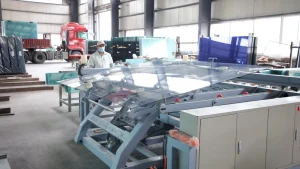
If a particular report is required for your purchasing or compliance process, clarify the required document and its scope before placing the order.
3.3 Which Standards or Regulatory Requirements Apply to Your Market?
Requirements may differ according to the destination market, intended use, product materials, and applicable regulations.
Before requesting a certificate or test report, ask:
- Which standards or regulatory requirements apply to this product?
- Does the requirement cover the glass, accessories, food-contact components, or the complete product?
- Can you provide documentation relevant to the required product configuration?
- Does the available report cover the materials and specifications included in our order?
Names such as EN 12983, FDA, and LFGB should not be treated as interchangeable or automatically applicable certifications for every tempered glass lid.
Their relevance depends on the specific regulatory or technical context. Buyers should establish whether a requirement applies to the product category, material, intended use, and destination market before making it part of the purchase specification.
It is also important to distinguish between material-related documentation and evidence relating to a complete finished product. A document covering one component does not necessarily demonstrate that the entire assembled product meets every requirement.
For international orders, buyers should confirm applicable requirements with the relevant compliance specialists, testing organizations, or import professionals when necessary.
4. What Packaging and Shipping Arrangements Should You Confirm?
Tempered glass lids need suitable protection during storage, handling, and transportation. Packaging requirements should therefore be discussed before the supplier begins preparing the bulk order.
4.1 How Will Each Glass Lid Be Protected During Packaging?
Ask the supplier:
- How will each glass lid be individually packed?
- What protective materials will separate or protect the products?
- How will multiple lids be arranged inside the carton?
- What outer packaging will be used?
- Can you provide the required labels, barcodes, or customized packaging?
Packaging should be suitable for the product dimensions, construction, order quantity, and transportation arrangement.
For bulk shipments, buyers should clarify the complete packaging structure, including individual protection, inner packaging, and outer cartons where applicable.
If the order requires branded packaging or specific labeling, provide the artwork and requirements early enough for the supplier to confirm feasibility, costs, and preparation time.
Do not assume that standard packaging will automatically meet the requirements of every destination or shipping arrangement.
4.2 What Checks Are Completed Before Shipment?
Packaging checks and product inspections are related but separate activities.
Ask:
- Will the finished quantity be checked before shipment?
- Will the packaging and outer cartons be inspected?
- Can you provide packing lists or relevant shipment inspection records?
- Can photos or videos be provided before dispatch if required?
- How will damaged packaging or quantity discrepancies be reported?
A pre-shipment checklist may include:
- Confirming the finished order quantity
- Checking carton quantities and packing information
- Reviewing the condition of outer packaging
- Verifying product labels and shipping marks
- Checking that the required shipping documents are prepared
The specific inspection scope and any supporting records should be agreed upon before shipment.
4.3 How Are Shipping Time, Costs, and Delivery Responsibilities Defined?
Before confirming the order, make sure both parties understand the delivery arrangement.
Questions to ask include:
- Which shipping methods can be arranged for the order?
- What is the agreed destination or delivery point?
- Who is responsible for arranging transportation?
- Which party pays the relevant shipping costs?
- Which Incoterms rule and named place apply, if used?
- When is the order considered ready for dispatch?
It is important to distinguish three different time periods:
- Sample preparation time: The time required to prepare and deliver samples.
- Production lead time: The time required to manufacture the confirmed bulk order.
- Transportation time: The time required to move the shipment to the agreed destination.
These periods should not be combined into one general delivery estimate.
The shipping method, costs, responsibilities, and applicable trade terms should be documented in the order agreement. If Incoterms are used, confirm the specific rule, version, and named place rather than relying on the rule name alone.
5. What Commercial Terms Should You Confirm Before Placing an Order?
Product specifications alone are not enough to finalize a bulk purchase. Buyers also need to understand the commercial conditions attached to the quotation.
5.1 What Is the MOQ for Your Required Glass Lid Specifications?
Minimum order quantity (MOQ) is an important consideration for importers, wholesalers, and cookware brands.
Ask:
- What is the MOQ for the required glass lid?
- Does the MOQ vary by diameter, construction, or accessory configuration?
- Can different sizes be combined in one order?
- Are customized products subject to different MOQ requirements?
- Does the MOQ apply to each individual specification or the total order?
MOQ may depend on the product design, customization requirements, production arrangements, and supplier policies.
For example, a buyer ordering several sizes may need to confirm whether each size has a separate minimum quantity or whether the supplier can consider the combined order volume.
Do not assume that all products have the same MOQ. Request confirmation for the exact specifications and quantities under consideration.
5.2 What Is Included in the Quoted Price?
A quotation should be evaluated against the actual product configuration and delivery requirements.
Ask:
- Which product specifications does the quotation cover?
- Are the handle, knob, rim, and other accessories included?
- Are customization or sample charges listed separately?
- Does the price include the agreed packaging?
- Are transportation or other charges included?
- How long is the quotation valid?
- Under what circumstances could the quoted price change?
A useful way to compare supplier quotations is to organize them by cost category.
| Quotation item | What buyers should confirm |
|---|---|
| Product price | Exact specifications, materials, and quantity |
| Accessories | Whether the required handle, knob, or other components are included |
| Customization | Any additional design or customization charges |
| Samples | Sample preparation and delivery costs |
| Packaging | Standard or customized packaging requirements |
| Transportation | Whether shipping costs are included |
| Other charges | Any additional costs stated in the quotation |
This approach helps buyers compare quotations on a consistent basis.
A lower unit price does not necessarily mean a lower total purchasing cost if the products have different specifications, packaging arrangements, or delivery terms.
5.3 What Are the Payment Terms and Production Lead Time?
Payment arrangements and production schedules should be confirmed before the purchase order is finalized.
Ask:
- What payment methods are accepted?
- What are the agreed payment stages?
- Is a deposit required?
- Under what conditions is the remaining balance payable?
- When does the production lead time officially begin?
- Does production start after drawing approval, sample approval, payment, or another agreed milestone?
- How will changes to the production schedule be communicated?
Payment terms vary between suppliers and orders. Buyers should not assume that a particular deposit percentage or payment arrangement applies to every transaction.
Production lead time also needs a clear starting point. If sample approval or another confirmation is still outstanding, the production schedule may not have started.
For this reason, the purchase agreement should identify the relevant milestones and distinguish sample preparation, mass production, and shipping.
6. How Will You Maintain Consistency During Mass Production?
One of the main concerns in bulk purchasing is whether the finished products will match the approved sample and specifications.
This is especially important for customized orders, where dimensions, edge construction, and accessory configurations may be specific to the buyer’s cookware design.
6.1 Will Mass Production Follow the Approved Sample and Specifications?
Ask the supplier:
- Will mass production follow the final approved drawing and sample?
- How will the required dimensions and product configuration be identified?
- Are the approved specifications recorded in the order documents?
- What happens if a production adjustment becomes necessary?
- Will the buyer be informed before any important specification changes?
The approved drawing, sample, and purchase order should provide consistent product information.
For example, if the approved sample includes a particular rim structure and handle configuration, these details should also appear in the final order specifications.
This helps reduce the risk of misunderstandings between sample development and mass production.
Any significant change to the agreed design, materials, dimensions, or accessories should be reviewed and confirmed by both parties before it is implemented.
6.2 How Are Defects or Specification Deviations Handled?
Buyers should understand the supplier’s proposed process for dealing with products that do not meet the agreed requirements.
Ask:
- How are nonconforming products identified and separated?
- Which approved specifications or inspection criteria are used to assess a reported defect?
- Who reviews reported defects or dimensional deviations?
- Can the supplier provide inspection records or supporting photographs?
- How are rework, replacement, or other corrective actions agreed upon?
- What responsibilities apply if the delivered products do not meet the purchase specifications?
A practical issue-reporting process may include:
- Identify the affected product and order details.
- Compare the actual condition with the approved sample, final drawing, and written quality requirements.
- Record the problem with photographs or inspection information.
- Notify the supplier and request a review.
- Agree on the appropriate corrective action.
The final handling method depends on the nature of the problem and the purchase agreement. Buyers should define relevant quality and responsibility terms before ordering rather than relying on assumptions about free replacements, compensation, or other remedies.
6.3 Can You Provide Production Updates or Arrange Inspections?
Communication during production can help buyers monitor order progress and identify issues earlier.
Questions to ask include:
- Who will provide production updates?
- Which communication channels will be used?
- Can progress information be shared at agreed production milestones?
- Can the buyer arrange an inspection during production or before shipment?
- Are third-party inspection arrangements acceptable?
- Who pays any inspection-related costs?
If inspection is important to the order, agree on its timing, scope, and responsibilities in advance.
Buyers should also establish a main contact for technical questions, production updates, and shipment coordination. This helps prevent important information from being lost between different communication channels.
7. What Export Documents and Communication Details Should You Confirm?
For international buyers, product confirmation is only one part of the purchasing process. Export and shipping documentation must also be coordinated with the destination market and transportation arrangement.
7.1 Which Export and Shipping Documents Can You Provide?
Ask the supplier:
- Which commercial and shipping documents can you provide?
- Who prepares the commercial invoice and packing list?
- Which transportation documents will be issued?
- Does the buyer or destination market require additional documents?
- How will product descriptions, quantities, and shipment details be checked before dispatch?
Common documents may include:
- Commercial invoice
- Packing list
- Relevant transportation documents
Additional documents may be required depending on the destination, product, trade terms, and import procedures.
Buyers should confirm the required document list with their customs broker, freight forwarder, or relevant import professionals. The supplier should then confirm which documents it can prepare or support.
It is also important to check that product descriptions, quantities, and other shipment information are consistent across the relevant documents.
7.2 Who Will Handle Order Communication and Document Confirmation?
Before production begins, clarify who is responsible for communicating and confirming important order information.
Ask:
- Who is the main contact for the order?
- Who confirms technical specifications and drawing revisions?
- Who communicates sample approval results?
- Who provides production and shipment updates?
- How will important changes be documented?
- Where will the final drawings, specifications, and approval records be kept?
For international orders, clear written communication is particularly useful when several people are involved in product development, purchasing, quality inspection, and logistics.
Important changes should be documented in a traceable form, such as an updated drawing, revised purchase order, or written confirmation.
This helps both parties work from the same version of the order requirements.
8. What Should Be on Your Final Checklist Before Placing a Bulk Order?
Before issuing a purchase order, review whether all important product, quality, commercial, and delivery details have been confirmed.
The following checklist can help buyers identify missing information.
| Confirmation category | Items to check before ordering |
|---|---|
| Product type | Glass lid design, edge construction, and accessory configuration |
| Product specifications | Diameter, glass thickness, key dimensions, and technical drawings |
| Cookware compatibility | Pot rim structure, lid profile, and accessory positions |
| Drawing approval | Final drawing version and written confirmation |
| Sample approval | Approved sample, specifications, and change records |
| Quality requirements | Inspection items and agreed acceptance requirements |
| Testing information | Relevant reports, tested products, and test scope |
| Regulatory requirements | Applicable requirements for the destination market and product |
| Packaging | Individual protection, inner and outer packaging, and labeling |
| Commercial terms | MOQ, quotation scope, additional charges, and payment conditions |
| Production schedule | Lead time, starting conditions, and progress communication |
| Quality deviations | Nonconforming product reporting and corrective action arrangements |
| Delivery | Shipping method, trade terms, costs, and dispatch arrangements |
| Export documents | Required documents, document details, and confirmation responsibilities |
If any item remains unclear, list it as an outstanding issue and resolve it before proceeding.
For customized or bulk orders, check that the quotation, final drawing, sample approval record, and purchase order describe the same product configuration and commercial conditions. Any differences should be clarified in writing before the order is confirmed.
9. Frequently Asked Questions About Ordering Tempered Glass Lids from China
9.1 Should You Request a Sample Before Placing a Bulk Order?
A sample can help buyers evaluate product dimensions, appearance, edge construction, and accessory assembly before committing to a bulk order.
It is particularly useful when the product involves customized specifications or a specific cookware fit. Whether a sample is necessary, how much it costs, and how long it takes to prepare should be confirmed with the supplier.
9.2 Can You Combine Different Glass Lid Sizes in One Bulk Order?
This depends on the supplier’s MOQ policy and production arrangements.
Some orders may involve several sizes or configurations, but buyers should confirm whether the minimum quantity applies to each specification or to the combined order. Do not assume that different sizes can automatically be grouped under one MOQ.
9.3 What Should You Do If Bulk Products Differ from the Approved Sample?
First, compare the delivered products with the approved sample, final drawing, and purchase specifications.
Record the differences with photographs, measurements, or inspection information, then report the issue to the supplier. The next step should follow the quality and corrective action arrangements agreed upon in the purchase documents.
9.4 How Should You Compare Quotes from Different Tempered Glass Lid Suppliers in China?
Compare quotations using the same product specifications, order quantities, accessory configurations, packaging requirements, payment conditions, and delivery terms.
Check whether additional costs are included or listed separately. Comparing only the unit price may give an incomplete picture of the total purchasing cost.
Conclusion
Choosing a supplier for a bulk glass lid order is not only about finding a suitable product or obtaining a competitive quotation. Buyers also need to confirm the specifications, drawings, samples, quality requirements, packaging, commercial terms, and delivery arrangements that define the actual order.
Before placing a bulk order with a tempered glass lid supplier in China, make sure that important requirements are documented and that both parties understand the approved product configuration and production conditions.
For a more efficient inquiry, prepare your product drawings, required dimensions, rim and accessory details, target quantity, and destination market before contacting a supplier. Clear information makes it easier to discuss product suitability, quotation scope, and order arrangements.
If you are planning a cookware glass lid project, you can contact our team with your product requirements to discuss the details of your inquiry.