
- English
- Chinese
- French
- German
- Portuguese
- Spanish
- Russian
- Japanese
- Korean
- Arabic
- Irish
- Greek
- Turkish
- Italian
- Danish
- Romanian
- Indonesian
- Czech
- Afrikaans
- Swedish
- Polish
- Basque
- Catalan
- Esperanto
- Hindi
- Lao
- Albanian
- Amharic
- Armenian
- Azerbaijani
- Belarusian
- Bengali
- Bosnian
- Bulgarian
- Cebuano
- Chichewa
- Corsican
- Croatian
- Dutch
- Estonian
- Filipino
- Finnish
- Frisian
- Galician
- Georgian
- Gujarati
- Haitian
- Hausa
- Hawaiian
- Hebrew
- Hmong
- Hungarian
- Icelandic
- Igbo
- Javanese
- Kannada
- Kazakh
- Khmer
- Kurdish
- Kyrgyz
- Latin
- Latvian
- Lithuanian
- Luxembou..
- Macedonian
- Malagasy
- Malay
- Malayalam
- Maltese
- Maori
- Marathi
- Mongolian
- Burmese
- Nepali
- Norwegian
- Pashto
- Persian
- Punjabi
- Serbian
- Sinhala
- Slovak
- Slovenian
- Somali
- Samoan
- Scots Gaelic
- Shona
- Sindhi
- Sundanese
- Swahili
- Tajik
- Tamil
- Telugu
- Thai
- Ukrainian
- Urdu
- Uzbek
- Vietnamese
- Welsh
- Xhosa
- Yiddish
- Yoruba
- Zulu
- Kinyarwanda
- Tatar
- Oriya
- Turkmen
- Uyghur


Moetsi oa sekoaelo sa khalase sa mofuta oa C oa China
When you hear 'C type glass cover manufacturer of China', it's easy to picture a monolithic, faceless industrial complex. Eo ke maikutlo a fosahetseng a pele. In reality, it's a fragmented landscape of specialists and generalists, where the term 'C type' itself can cause confusion—some think it's about a specific curvature standard, others about a tempering process grade. Having sourced and spec'd these components for cookware lines, I've found the reality is less about a rigid classification and more about a functional niche: a Sekoahelo sa khalase sa mofuta oa C hangata e bolela sekoaelo sa khalase se pholileng se fumanehang hohle, se halefileng hanyenyane bakeng sa lipane le li-casseroles, moo 'C' hangata e bolelang mokhoa o tloaelehileng oa sehokelo kapa boemo bo tloaelehileng limmarakeng tsa Bophirimela. Bokhoni ba 'nete ha boa itšetleha feela ka ho etsa likhalase, empa le ho lula u otla ho hanyetsa mocheso oa mocheso le litekanyetso tsa ho qetela tse thibelang ho hlōleha ho theosa le moeli.
Moko oa Tlhahiso: Ho Feta Ho Felisa Feela
Ha re bue ka motheo. Boholo ba bahlahisi ba bokana libakeng tse kang Shandong, ba nang le phihlello ea thepa e tala le thepa. Ke ile ka etela tse seng kae ho theosa le lilemo. E 'ngoe e tlang kelellong ke EUR-ASIA COOKWARE CO.,LTD. Ho seta ha bona sebakeng sa Taian's High-tech Zone ke thuto e ntle ea mohlala. Ha se tse kholo ka ho fetisisa, empa ho tsepamisa maikutlo ho tsona lihlahisoa tsa khalase tsa ntlo, haholo-holo li-lids, li ba fa tsela e hlalositsoeng. Ha u ntse u tsamaea fatše, u bona morethetho: ho itšeha, edging, tempering, tlhahlobo. Ntlha ea bohlokoa ha se sebōpi se chesang-e mong le e mong o na le eona-ke li-jets tsa pele le tse pholileng. Ho se lumellane moo, 'me mokhoa oa hau oa khatello ea kelello o tima. Ke bone lihlopha moo likoahelo li ileng tsa feta tekong ea tšusumetso empa li ile tsa hlōleha ho pholisa ka potlako lefatšeng la 'nete, ho hlahisa mapetsong a moriri. Hangata ke taba ea sekhahla sa pholiso, ntho e ntle moetsi oa Chaena e tla be e kene ka har'a teko le phoso e sehlōhō.
Sephetho sa bona sa selemo le selemo, se qotsitsoeng ka likotoana tse fetang limilione tse 15, se utloahala se le seholo. But in this segment, it's a competitive volume. It tells you they're running multiple lines and have the mold library to support various diameters and skirt depths. Taba ea 'boemo bo tlase-bohareng bo phahameng' profilaneng ea bona ke ea bohlokoa. It's industry shorthand. 'Low' might be for basic promotional cookware sets, where optical clarity is secondary. 'High' is for the European brands, where not just clarity but also the consistency of the silk-screen printing on the lid—the logo, the max temperature indicator—becomes a major QC point. The sekoahelo sa khalase bakeng sa morekisi oa Jeremane o na le mamello e fapaneng ho feta e le 'ngoe bakeng sa mofuta oa sebaka.
Why does the location in Shandong matter? Ho ba haufi le mehloli ea lehlabathe la silika la boleng bo holimo ke ntho e le 'ngoe. Empa ka mokhoa o hlakileng haholoanyane, e mabapi le tikoloho. Within a few hours' drive, you can find specialists in metal stamping for the handles, packaging, and logistics agents familiar with container loading for fragile goods. This ecosystem efficiency is a hidden advantage for a Moetsi oa sekoahelo sa khalase ea mofuta oa C moo, ho lumella k'hamphani e kang EUR-ASIA ho kopanya kopano ea ho tšoara le ho paka ho qetela ka thata, ho fokotsa tšenyo ea ho sebetsana le eona.
'Nete ea Thepa e Romellang: Ho Latelana Hase Setifikeiti Feela
Sekhahla se fetang 90% sa thekiso ea thepa limmarakeng tse kang Jeremane, Fora, le Japane ha se lipalo-palo tsa thekiso feela; ke bopaki ba leeto le boima la ho latela melao. Each market has its own unspoken rules. Ka mohlala, bareki ba Majeremane ba amehile haholo ka ho qetela. Ba tla matha monoana ho potoloha pherimitha eohle ea sekoahelo sa khalase feeling for the slightest chip or sharpness. Litekanyetso tsa bona hangata li feta lipehelo tsa semmuso tsa ISO. For the Japanese market, it's about packaging precision and documentation. Paleti e le 'ngoe e laetsoeng ka phoso, e lebisang phatsong, e ka etsa hore thomello e haneloe.
I recall a project where we needed a lid to pass a specific FDA-type compliance for food contact in the US, even though it's glass. Taba e ne e se khalase ka boeona, empa li-inks le li-enamel tse sebelisetsoang khatiso. The moetsi oa Chaena re sebelitse le (eseng EUR-ASIA tabeng ena) re ne re e-na le litifikeiti, empa ho lumellana ha bona ka batch-to-batch ho khomarela enke ho ile ha hlōleha nakong ea liteko tsa laboratori. Re ithuta’ng? A certificate is a starting point, not a guarantee. You have to audit their chemical sourcing logs. Many manufacturers now understand this and have segregated production lines for different compliance zones, which is what a dedicated exporter would likely have in place.
Lethathamo la linaha tse romelloang kantle—Brazil, Turkey, Poland, joalo-joalo—hape le fana ka maikutlo a ho hong ho bohlokoa: ho ikamahanya le maemo a lihlahisoa. A lid destined for Brazil might need a different rubber gasket material due to humidity, while one for the Middle East might prioritize resistance to dry, high heat. A factory truly experienced in exports doesn't just ship the same product everywhere; they have a matrix of small modifications. Checking if a Moetsi oa sekoahelo sa khalase ea mofuta oa C e na le ho ikamahanya le maemo ke teko e potlakileng ea litmus bakeng sa botebo ba bona.
Motheong: Ho hloleha le Lintlafatso
U ithuta ho hongata ka ho hlōleha ho feta thomello e phethahetseng. Qalong, re ne re e-na le bothata ba 'ho robeha ho itlelang feela' ntlong ea polokelo. Li-Lids li ne li petsoha feela li lutse ka lebokoseng. Morekisi o ne a tsielehile. Ka mor'a ho laola tšusumetso, re ile ra e latela morao ho nickel sulfide inclusions-e leng litšila tse nyenyane tsa khalase tse ka atolohang ha nako e ntse e ea 'me tsa baka ho phatloha. Ke kotsi e tsebahalang empa e sa tloaeleha ka khalase e futhumetseng. The moetsi oa Chaena re ne re so ka re kenya tlhahlobo e matla ea hot-soak (HST) molemong oa sehlahisoa sa mahareng a mahareng. HST e kenyelletsa ho futhumatsa likhurumetso tse halefileng ka ontong ho potlakisa katoloso ea lintho tse kenyellelitsoeng, ho etsa hore tse fokolang li robehe pele li romelloa. E bitsa chelete e ngata ebile e ja nako. Hona joale, ke ntho e ke keng ea buisanoa molemong oa rona bakeng sa odara efe kapa efe ea molumo, 'me moetsi ofe kapa ofe ea tebileng o lokela ho fana ka eona e le khetho, haeba e se maemo a tloaelehileng bakeng sa lihlahisoa tsa boemo bo holimo.
Another practical headache is logistics. Khalase e boima ebile e senyeha habonolo. I've seen beautifully made covers arrive with a 5% breakage rate because of poor palletization. The best factories don't just make the product; they engineer the pack. They'll have specific corner protectors, interleaf sheets, and pallet strapping patterns that minimize in-transit movement. Visiting EUR-ASIA's website at https://www.glass-lid.com, you can infer this capability from their scale. A facility with 15,000㎡ of building area likely has a dedicated packing and logistics section that has learned these lessons through millions of shipments.
Joale ho na le sebapi. The 'C type' often relates to this. It's usually a metal bail handle attached with a rivet or a clamp. The point of failure is rarely the glass; it's the attachment point. Corrosion of the rivet, loosening of the clamp, or thermal conductivity causing the handle to get too hot. A good manufacturer will have a range of handle options and have tested the thermal transfer. They should be able to tell you the max temperature at the handle's apex after 30 minutes on a boiling pot. If they can't, they're just glass cutters, not solution providers.
Evolution le Niche
Mmaraka ha o eme. Ea khale Sekoahelo sa khalase sa mofuta oa C e tobane le tlholisano ho tsoa ho liphetolelo tse tiisitsoeng tsa silicone le meralo e nyalisitsoeng e nang le moea oa mouoane. Baetsi ba pholohileng ke ba eketsang boleng. Sena e ka ba ho fana ka khatiso ea sekirini sa silika se nang le litekanyetso tse tlase tsa odara (MOQs), ho nts'etsapele likoahelo bakeng sa libopeho tse ncha tse lokiselitsoeng ho pheha, kapa esita le ho kenya likoahelo tse felletseng tsa khalase bakeng sa mela e phahameng. Tlhahiso ea sekwahelo sa khalase e halefileng lihlahisoa li ntse li eketseha haholoanyane. Ke ntho e sa tloaelehang ho bona feme e tšoanang e fana ka likotlolo tsa khalase tse ts'oanang kapa li-cookware tsa ceramic, tse sebetsang joalo ka lebenkele le le leng.
For a company like EUR-ASIA COOKWARE CO.,LTD., with its stated specialization, the path forward is likely deeper integration into cookware brands' supply chains. Being in a development zone probably gives them access to certain tech partnerships or tax incentives for R&D. The real question for any buyer is: can they move from being a supplier of a component to a partner in product development? Can they help design a lid that improves a pot's thermal efficiency or reduces weight without sacrificing strength?
Ha u hetla morao, lentsoe la sehlooho 'C mofuta oa moetsi oa likhalase tsa China' le supa lekala le hōlileng tsebong, le nang le tlholisano, le le nang le mefuta e mengata e makatsang. Ha se taba ea ho fumana mohloli o theko e tlaase; e mabapi le ho fumana molekane ea nang le bokhoni ka ho fetisisa ea utloisisang hore sehlahisoa sa bona se lutse holim'a pitsa holim'a setofo, ka tlung, tlas'a maemo a sebele le hangata a sithabetsang. Bahlahisi ba fumanang sena, ba nang le maqeba a ho lahloa ha thepa ea nakong e fetileng le lintlha tse tsoang liontong tsa bona tsa HST, ke bona ba lokelang ho sebetsana le bona. Ba fetetse pele ba etsa khalase ho boenjiniere karolo e tšepahalang. 'Me indastering ena, ho tšepahala ke eona feela letšoao la bohlokoa.
Tse amanang Lihlahisoa
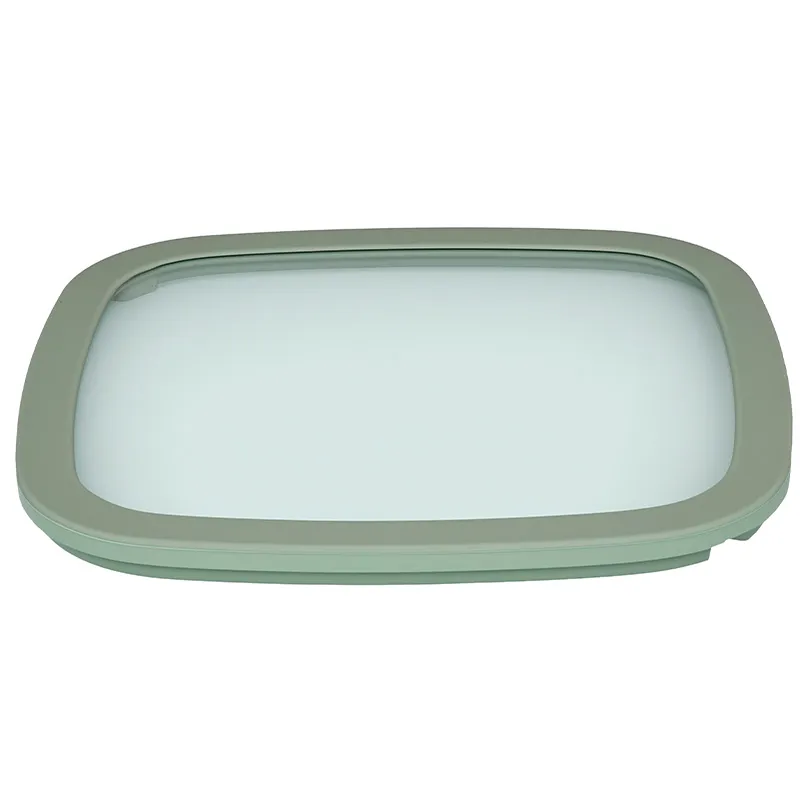
Lihlahisoa tse Amanang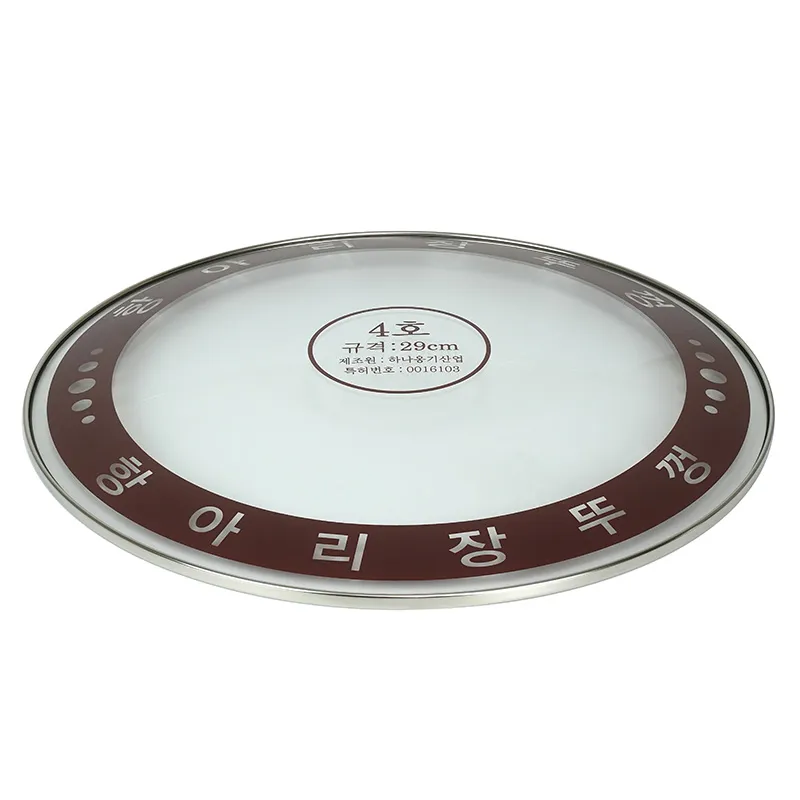
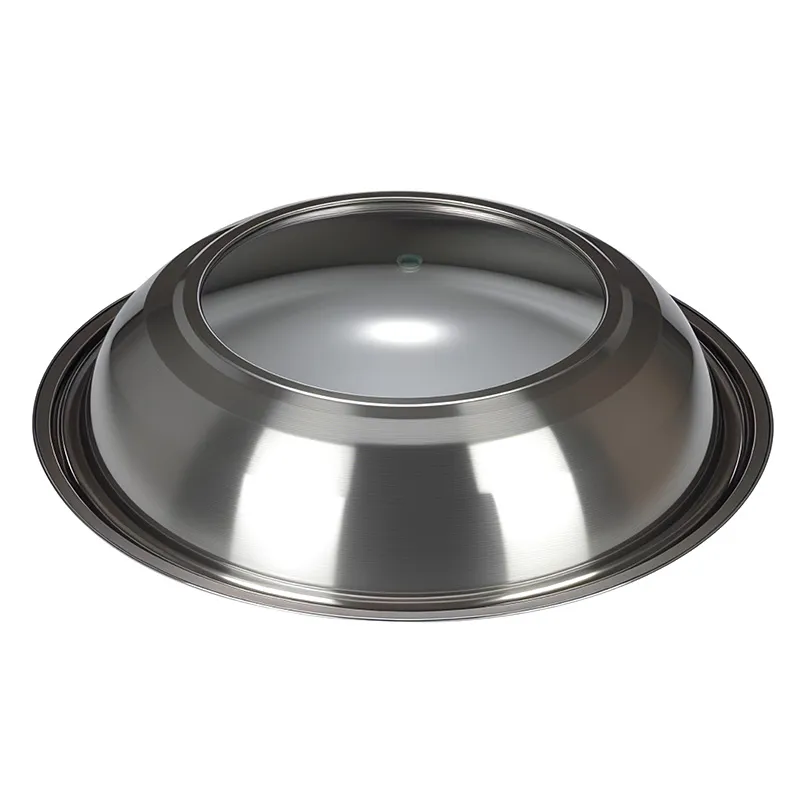
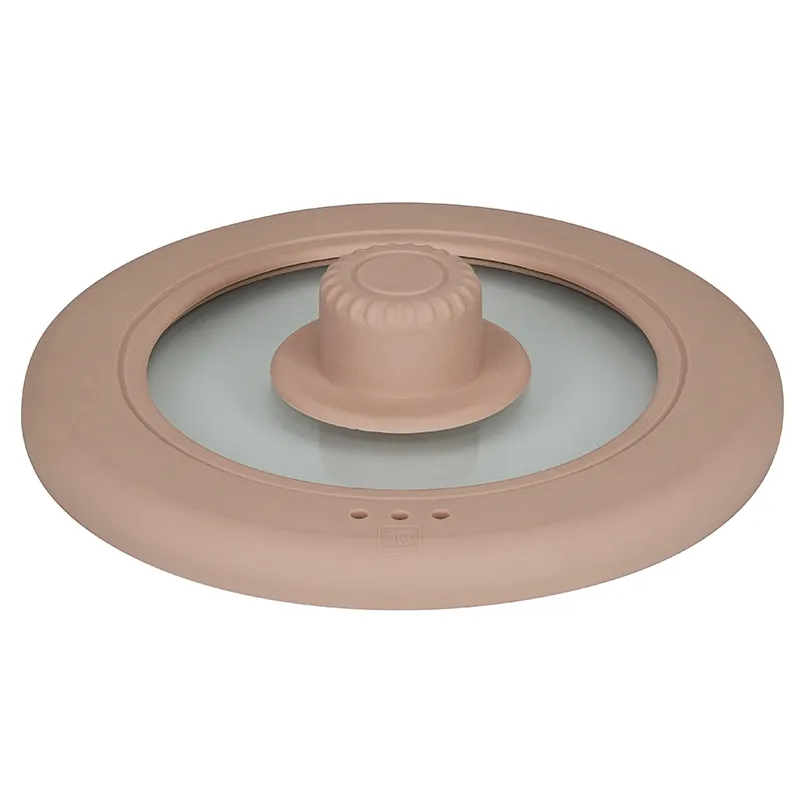
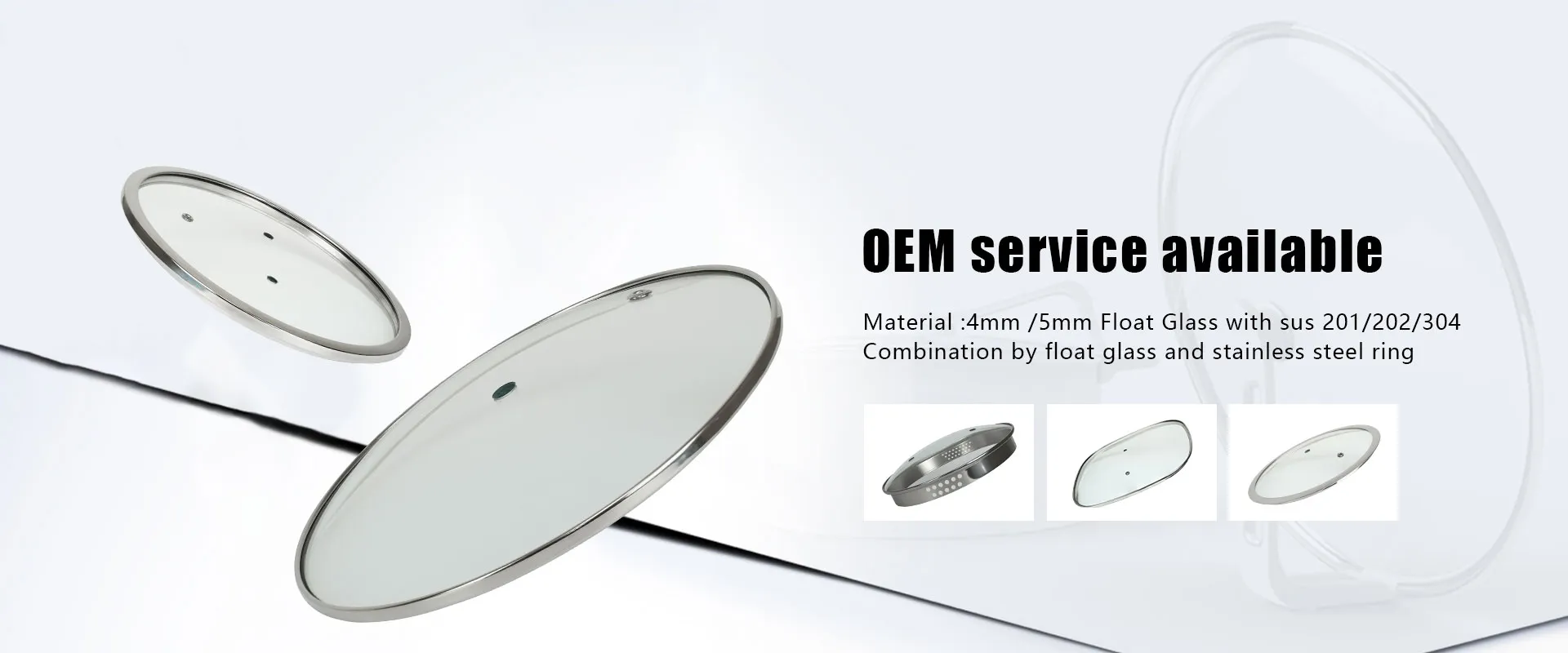
Molemo ka ho Fetisisa Lihlahisoa
Lihlahisoa tse rekisoang ka ho fetisisa
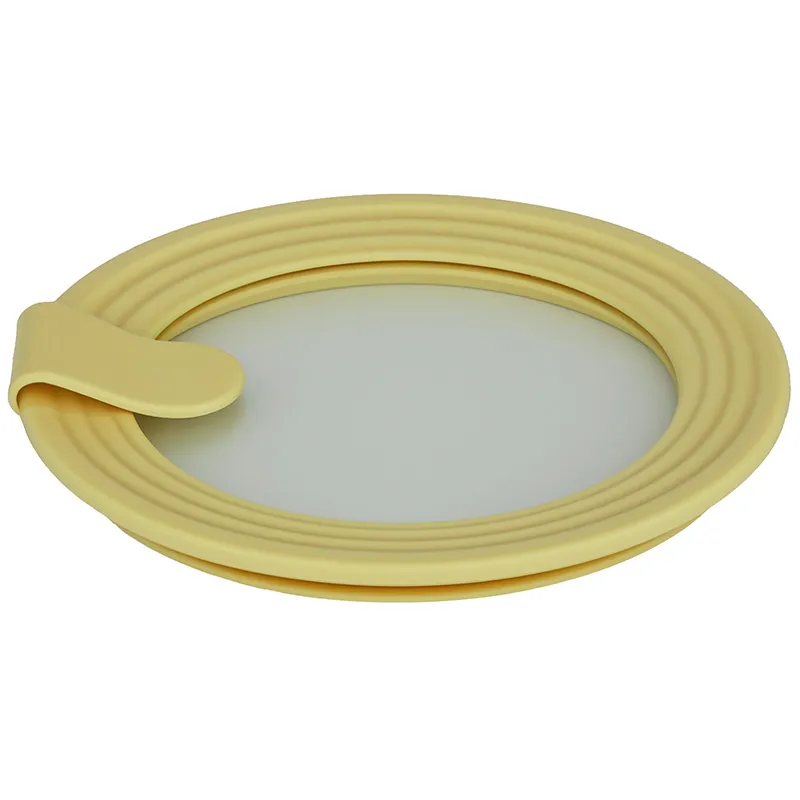
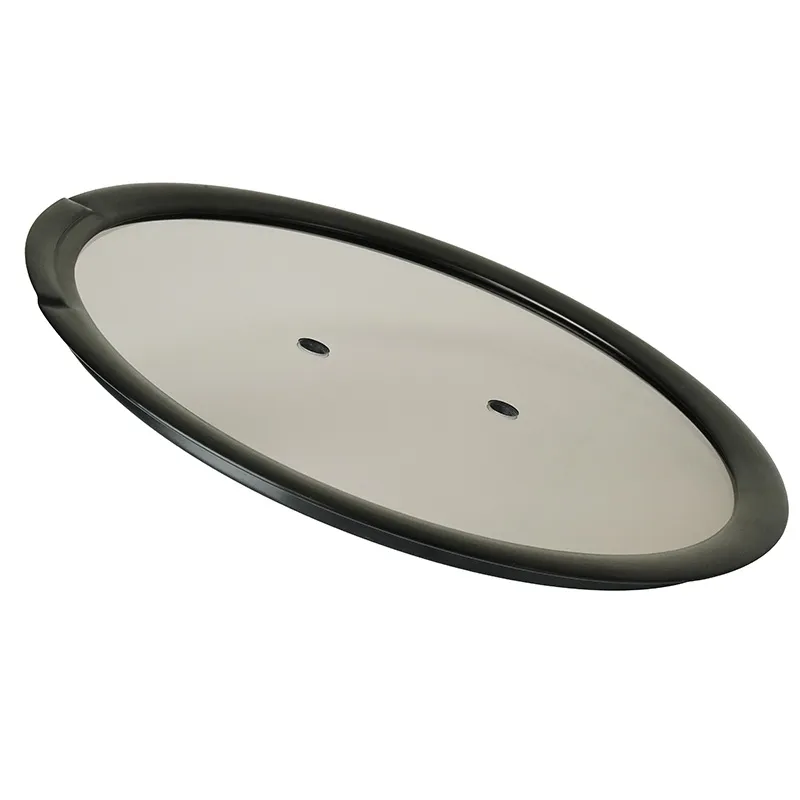
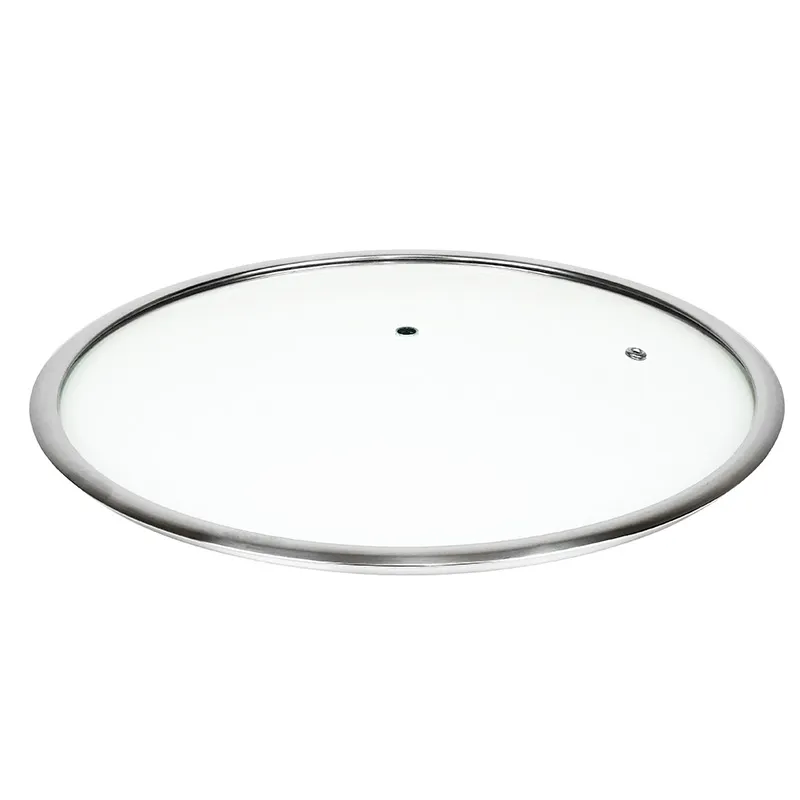


Tse amanang Batla
Related Search- customized khalase sekoahelo
- tlhahiso ea sekoaelo sa khalase
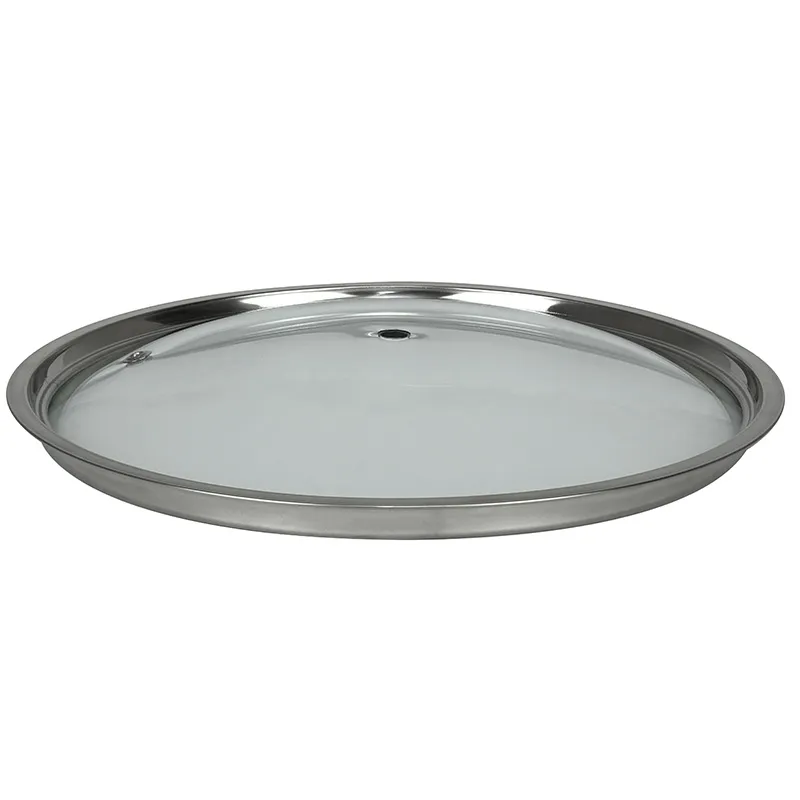
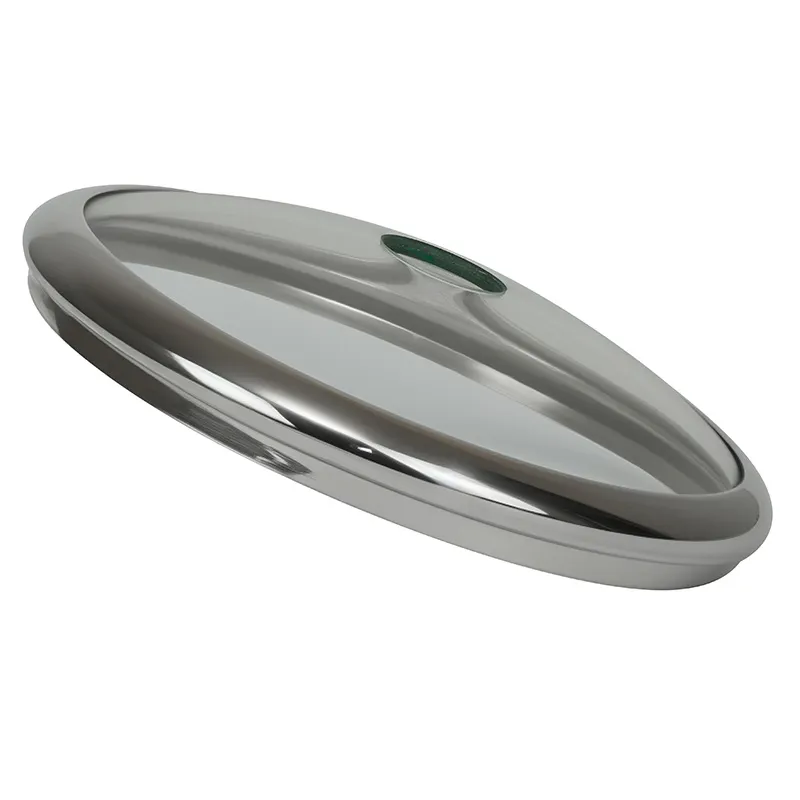
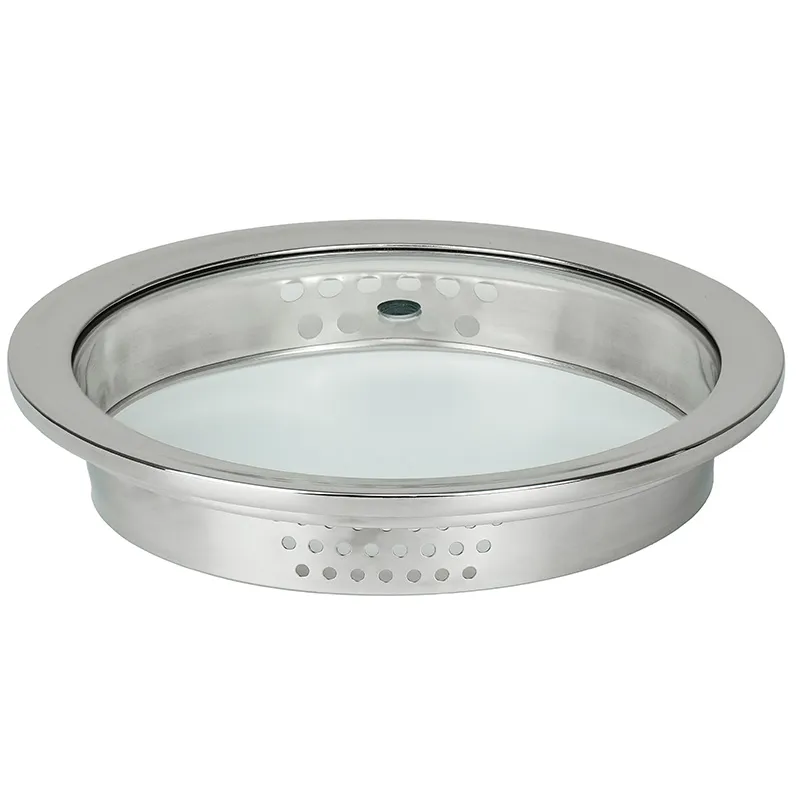
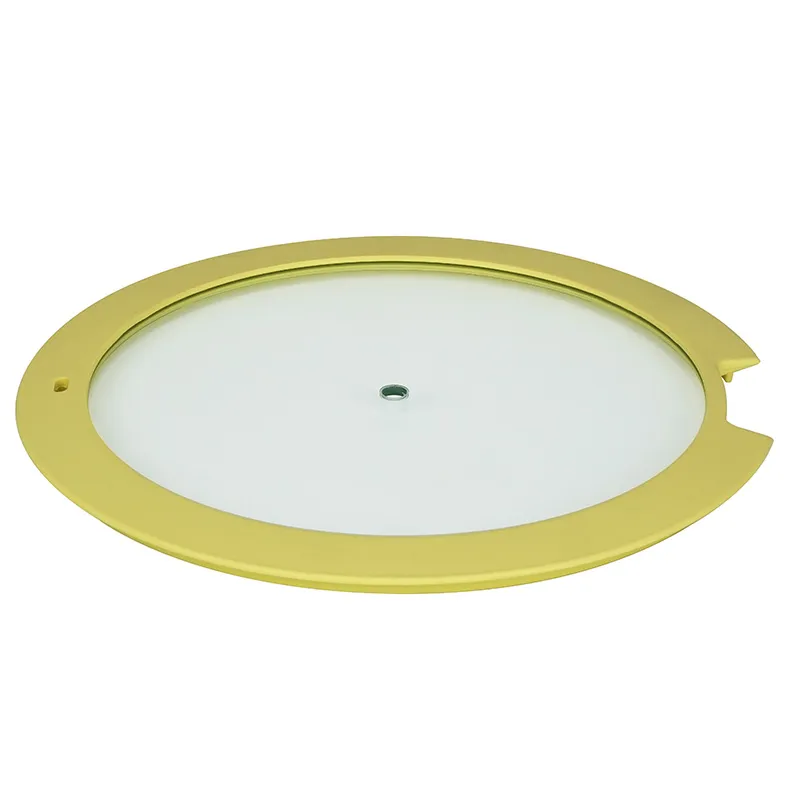
- Moetsi oa sekoahelo sa khalase ea mofuta oa C
- sekoaelo sa likhalase tse ngata
- sejana sa onto se nang le sekwahelo
- khalase e halefileng e koahelang ka kotola
- nkho ea khalase e khubelu e nang le sekwahelo
- likoahelo tsa likhalase tse halefileng
- nkho ea khalase ea borosi e nang le sekwahelo sa lehong
- 10 lithara tsa khalase nkho e nang le sekwahelo


