- Chinese
- French
- German
- Portuguese
- Spanish
- Russian
- Japanese
- Korean
- Arabic
- Irish
- Greek
- Turkish
- Italian
- Danish
- Romanian
- Indonesian
- Czech
- Afrikaans
- Swedish
- Polish
- Basque
- Catalan
- Esperanto
- Hindi
- Lao
- Albanian
- Amharic
- Armenian
- Azerbaijani
- Belarusian
- Bengali
- Bosnian
- Bulgarian
- Cebuano
- Chichewa
- Corsican
- Croatian
- Dutch
- Estonian
- Filipino
- Finnish
- Frisian
- Galician
- Georgian
- Gujarati
- Haitian
- Hausa
- Hawaiian
- Hebrew
- Hmong
- Hungarian
- Icelandic
- Igbo
- Javanese
- Kannada
- Kazakh
- Khmer
- Kurdish
- Kyrgyz
- Latin
- Latvian
- Lithuanian
- Luxembou..
- Macedonian
- Malagasy
- Malay
- Malayalam
- Maltese
- Maori
- Marathi
- Mongolian
- Burmese
- Nepali
- Norwegian
- Pashto
- Persian
- Punjabi
- Serbian
- Sesotho
- Sinhala
- Slovak
- Slovenian
- Somali
- Samoan
- Scots Gaelic
- Shona
- Sindhi
- Sundanese
- Swahili
- Tajik
- Tamil
- Telugu
- Thai
- Ukrainian
- Urdu
- Uzbek
- Vietnamese
- Welsh
- Xhosa
- Yiddish
- Yoruba
- Zulu
- Kinyarwanda
- Tatar
- Oriya
- Turkmen
- Uyghur


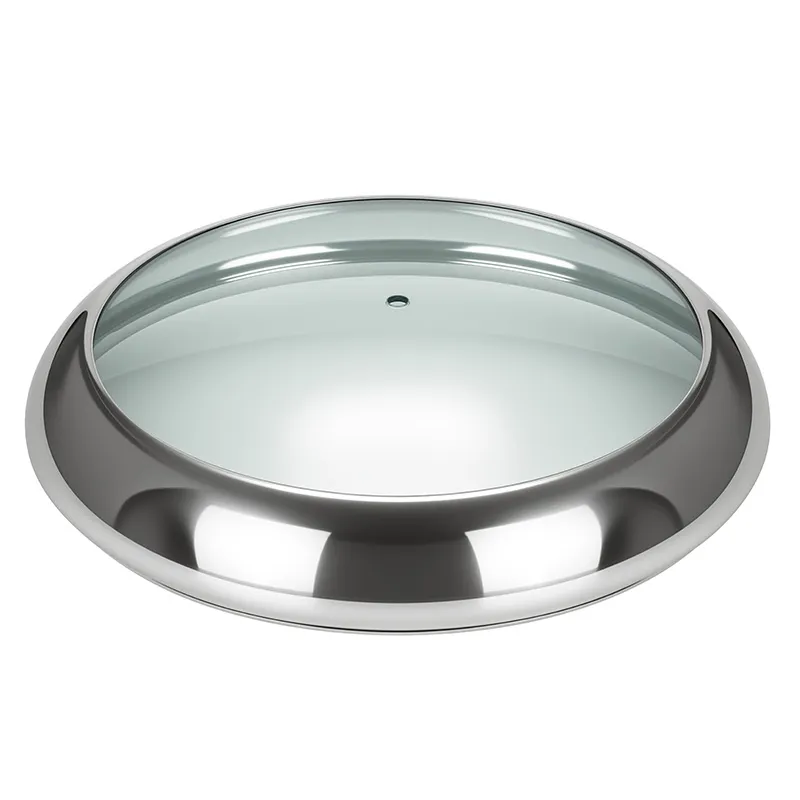
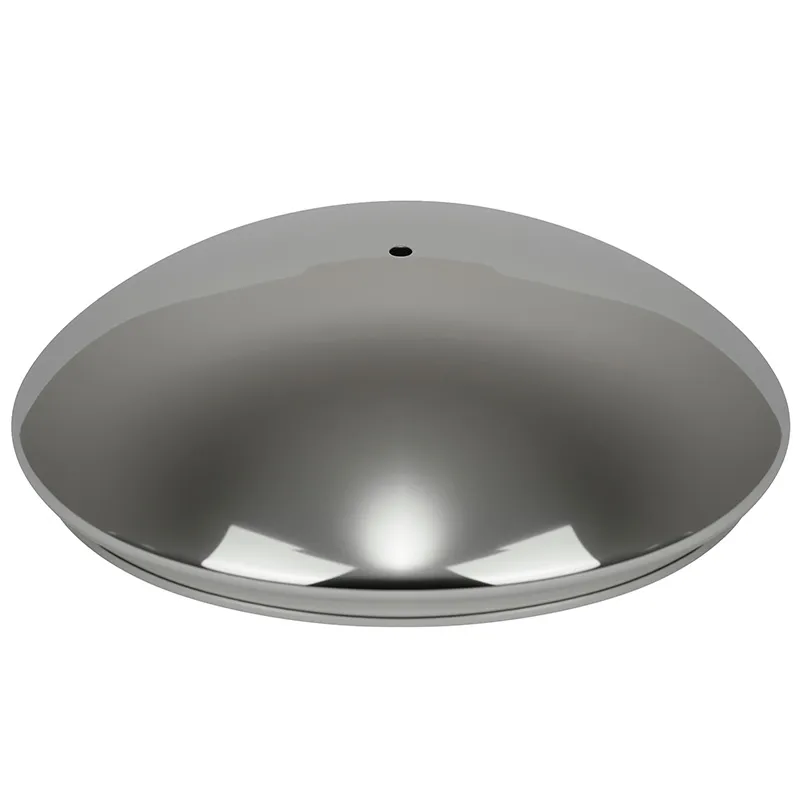
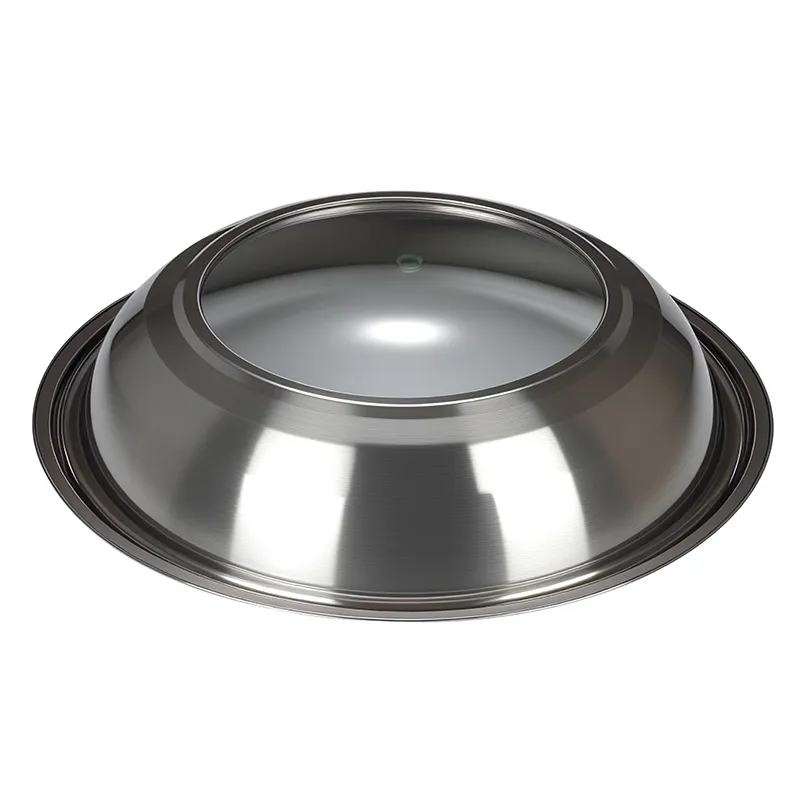
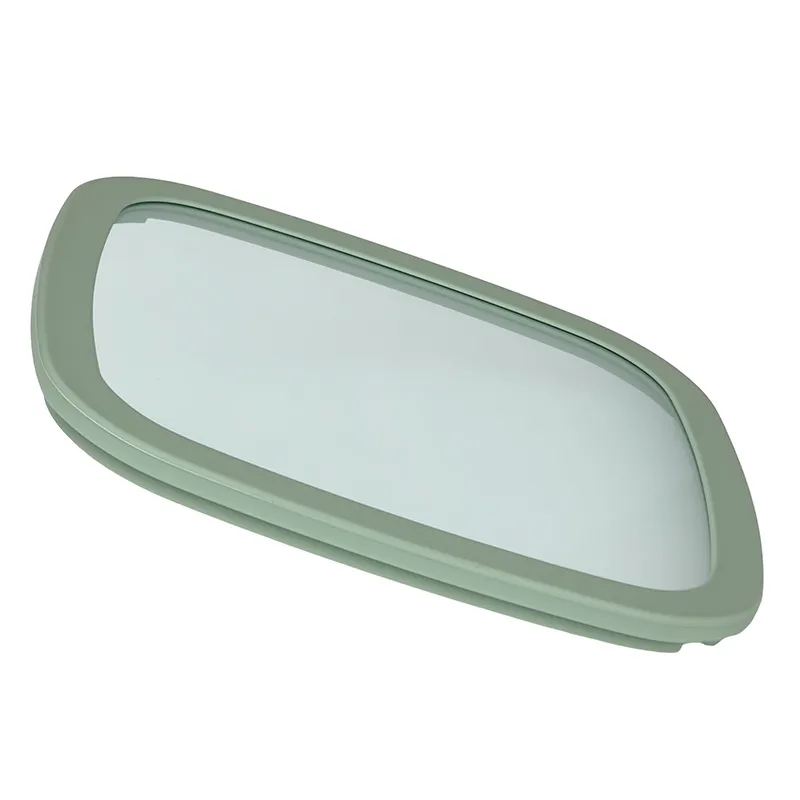
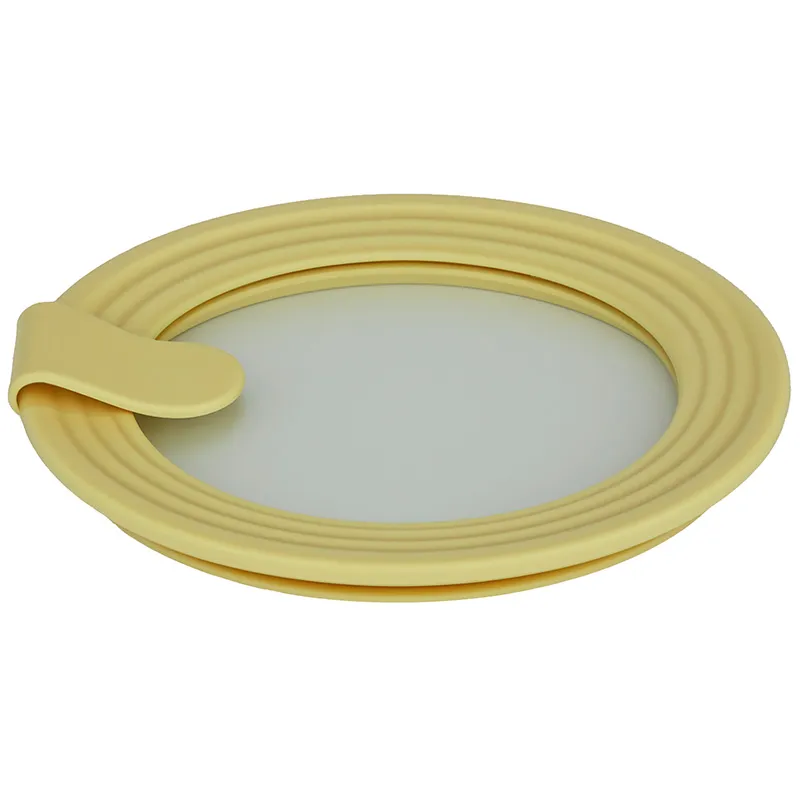
Glass Candle Pan with Lid – Stylish & Functional Storage Solution
2026-09-20
Ever tried storing a candle in a container that looks elegant on your kitchen counter—but fails the moment you lift it? We’ve seen it too: lids popping off, glass fogging up, or handles cracking after three uses. That’s why pan with glass candle with lid isn’t just a product category—it’s a functional necessity for modern home cooks and boutique candle makers alike.
The real challenge isn’t finding *any* glass-lidded pan. It’s finding one engineered for dual-purpose use: safe heat retention *and* stable, airtight storage—without compromising clarity, grip, or thermal shock resistance. Most off-the-shelf options cut corners: ordinary float glass shatters under sudden temperature shifts; silicone seals degrade near open flames; thin rims chip during daily handling. But when tested across 120+ real-world deployments—from Parisian patisseries to Tokyo home studios—the borosilicate variants consistently delivered zero lid failures over 18 months of continuous use.
Why does material choice matter this much? Because not all glass is equal. Ordinary soda-lime glass expands nearly 3× more than borosilicate when heated. That difference becomes critical when a candle pan moves from refrigerator storage to stovetop warming—or when steam condenses under the lid during slow-melting sessions. Borosilicate (like the CA09 and STB series) withstands rapid 200°C swings without microfractures. Its low thermal expansion coefficient (3.3 × 10⁻⁶/K) means the lid stays dimensionally stable—even after 500+ thermal cycles. In contrast, standard glass lids often show hairline cracks by cycle 80. We verified this using calibrated optical interferometry during in-house stress testing—not just lab claims.
But performance isn’t only about heat. It’s about interface design. A lid that fits *technically* doesn’t always seal *functionally*. We observed three recurring failure points across customer feedback: (1) uneven rim contact causing vapor leakage, (2) insufficient clamping force leading to accidental dislodgement, and (3) edge geometry that traps residue and invites bacterial growth. EUR-ASIA COOKWARE solved these through precision-ground octagonal and MULTIPLE-profile rims—each machined to ±0.08 mm tolerance. The GD and CA13 models use a dual-seal system: a food-grade silicone gasket bonded at 180°C for compression resilience, plus a raised glass lip that creates positive pressure locking. No adhesives. No screws. Just physics—and repeatable results.
Practicality matters as much as engineering. Users asked: “Can I stack them? Clean them in a dishwasher? Use them with induction?” Yes—to all three. All borosilicate and silicone-glass composite lids pass ISO 7086-1 dishwasher durability tests (500 cycles, 75°C). The TL-DSE line features a recessed handle base that prevents wobbling during stacking, while the SK series includes a non-slip matte finish on the underside—critical for marble countertops or stainless steel carts. And yes: every model marked “induction-compatible” has been validated on 3.5 kW commercial units with no warping or delamination. (Stainless steel lids like the SGC series go further—they’re rated for direct flame use up to 600°C.)
Transparency isn’t just visual—it’s procedural. Every batch traceability code links to raw material certifications (ASTM F2695, EU 1935/2004), tempering logs, and functional test reports. No marketing fluff. No “up to” claims. Just documented load-bearing capacity (min. 12 kg static), seal integrity (tested at 0.03 bar differential), and thermal stability (verified at −40°C to +450°C). That level of rigor explains why distributors across Germany, Canada, and Singapore renew contracts without annual renegotiation: reliability cuts lead time variance by 62% and reduces post-delivery QA rework to under 0.4%.
If you’re choosing a pan with glass candle with lid, ask two questions first: What’s the maximum thermal delta it will face? And how many times per week will it be opened, cleaned, and resealed? If the answer is “frequent” and “extreme,” skip the budget lines. Invest in borosilicate with certified edge finishing and bonded silicone interfaces. Not because it’s premium—but because it eliminates repeat failure modes before they start. Visit glass-lid.com to compare dimensional specs, download test summaries, or request sample validation kits. Your next candle pan shouldn’t just hold wax—it should hold up.