- Chinese
- French
- German
- Portuguese
- Spanish
- Russian
- Japanese
- Korean
- Arabic
- Irish
- Greek
- Turkish
- Italian
- Danish
- Romanian
- Indonesian
- Czech
- Afrikaans
- Swedish
- Polish
- Basque
- Catalan
- Esperanto
- Hindi
- Lao
- Albanian
- Amharic
- Armenian
- Azerbaijani
- Belarusian
- Bengali
- Bosnian
- Bulgarian
- Cebuano
- Chichewa
- Corsican
- Croatian
- Dutch
- Estonian
- Filipino
- Finnish
- Frisian
- Galician
- Georgian
- Gujarati
- Haitian
- Hausa
- Hawaiian
- Hebrew
- Hmong
- Hungarian
- Icelandic
- Igbo
- Javanese
- Kannada
- Kazakh
- Khmer
- Kurdish
- Kyrgyz
- Latin
- Latvian
- Lithuanian
- Luxembou..
- Macedonian
- Malagasy
- Malay
- Malayalam
- Maltese
- Maori
- Marathi
- Mongolian
- Burmese
- Nepali
- Norwegian
- Pashto
- Persian
- Punjabi
- Serbian
- Sesotho
- Sinhala
- Slovak
- Slovenian
- Somali
- Samoan
- Scots Gaelic
- Shona
- Sindhi
- Sundanese
- Swahili
- Tajik
- Tamil
- Telugu
- Thai
- Ukrainian
- Urdu
- Uzbek
- Vietnamese
- Welsh
- Xhosa
- Yiddish
- Yoruba
- Zulu
- Kinyarwanda
- Tatar
- Oriya
- Turkmen
- Uyghur


PVD Glass Lids: Finish Options and OEM Considerations
2026-10-23
Summary: Learn how to specify PVD glass lid finishes for OEM production, including color, surface coverage, sample approval, quality inspection, and bulk-order consistency.
PVD glass lids allow cookware brands to coordinate the appearance of glass lids with different cookware designs.
For OEM buyers, selecting a finish involves more than choosing a color. The treated component, surface appearance, assembly requirements, sample approval process, and production inspection criteria all need to be defined before bulk manufacturing begins.
A clear specification helps buyers communicate their expectations to suppliers, compare samples against an agreed reference, and reduce avoidable disagreements over appearance and product quality.
This guide explains the finish options and OEM requirements buyers should review when sourcing PVD glass lids.
What Is a PVD Glass Lid?
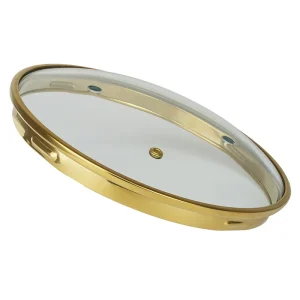
A PVD glass lid is a cookware lid that incorporates a component finished using physical vapor deposition (PVD).
PVD is a surface-coating process in which material is deposited onto a surface under controlled vacuum conditions. Depending on the coating system and substrate, the process can produce different colors and surface appearances.
In cookware lid designs, PVD treatment may be applied to a metal component, such as a stainless steel rim, rather than to the glass itself.
The exact configuration depends on the product design and the supplier’s manufacturing process. Buyers should confirm which component receives the treatment instead of assuming that every PVD glass lid uses the same construction.
A typical glass lid may include several components:
- Glass panel: The transparent lid body, with its own material, thickness, shape, and processing requirements.
- Metal rim: A component that may provide edge protection and contribute to the lid’s appearance.
- Handle and mounting hardware: Components that affect usability, assembly, and the finished product’s appearance.
- PVD-treated surface: The specific surface receiving the coating, which should be identified in the product specification.
These components have different functions and quality requirements.
A PVD finish on a metal rim does not, by itself, establish the heat resistance, impact performance, or safety characteristics of the complete glass lid.
Those properties depend on the materials, design, manufacturing controls, and applicable testing of the finished product.
For OEM projects, the first step is to confirm the product structure and identify the exact surface that needs the desired finish.
Which PVD Finish Options Should OEM Buyers Consider?
Selecting a PVD finish involves more than choosing a color name. Buyers should define the intended appearance, the treated area, and the reference standard that the supplier will use during sampling and production.
Color and Visual Appearance
PVD-treated metal components may be available in colors such as gold or black, depending on the coating system, substrate, equipment, and supplier capabilities.
Other finishes may also be possible, but availability should be confirmed for the specific product.
Color names alone are not precise acceptance criteria. Two suppliers may interpret a term such as “gold” differently, and the appearance of a finished component can vary with surface preparation, the underlying material, coating conditions, and lighting.
For this reason, OEM buyers should:
- Request physical samples of the proposed finish.
- Identify an approved reference sample before bulk production.
- Confirm how color and appearance will be inspected.
- Agree on how acceptable variation will be assessed.
- Keep the approved sample or a documented reference available for future orders.
Photographs can help communicate an initial design direction, but they may not be sufficient for final color approval.
Screen settings, lighting, image processing, and viewing conditions can affect how a finish appears.
Where color consistency is important, buyers and suppliers should agree on viewing conditions and, where appropriate, a measurement method.
Any numerical tolerance should be defined for the specific project rather than treated as a universal PVD industry standard.
Gloss, Texture, and Component Coverage
Gloss and surface texture influence how a PVD-treated component looks under different lighting conditions. A highly reflective surface may appear different from a matte or brushed surface, even when both use a similar color.
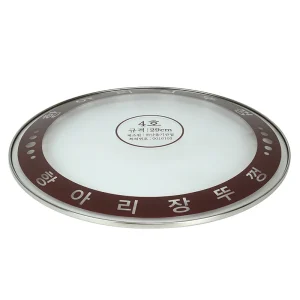
Buyers should clarify whether the desired finish is glossy, matte, brushed, or another available appearance. They should also identify which surfaces must be treated and which areas should remain untreated.
For a glass lid with a metal rim, relevant details may include:
- The visible outer surface of the rim.
- The inner surface or edge of the rim, where applicable.
- Areas around joints, openings, or attachment points.
- Surfaces that will be hidden after assembly.
The supplier should confirm which areas can be coated consistently and whether the design requires masking or other process-specific preparation.
The final specification should describe the required visible result rather than relying on an ambiguous phrase such as “full PVD finish.”
Matching the Finish to the Cookware Design
The lid should be considered as part of the overall cookware design. Its metal rim, handle, and surrounding cookware components may use different materials and finishing processes, so matching their appearance should not be taken for granted.
Before approving a design, buyers should compare the proposed lid finish with the intended cookware body and handle.
If the project requires multiple lid sizes or product models, confirm whether the same appearance can be maintained across all versions.
A practical approval process includes:
- Reviewing the proposed finish against the product design.
- Confirming the finish on the actual component material.
- Reviewing a representative assembled sample.
- Recording the approved appearance and applicable product version.
This gives the supplier a clear target and provides the buyer with a consistent reference for later production.
What Should an OEM PVD Glass Lid Specification Include?
A detailed specification translates design preferences into requirements that a supplier can evaluate, quote, sample, and inspect.
It should cover the glass lid itself as well as the component receiving the PVD treatment.
Glass and Rim Requirements
The glass and metal rim should be specified separately because they have different materials, dimensions, and manufacturing requirements.
For the glass, buyers may need to confirm:
- Glass type and required thickness.
- Overall diameter and shape.
- Edge profile and relevant dimensional tolerances.
- Required processing and applicable safety requirements.
- Compatibility with the intended cookware design.
For the metal rim, the specification should identify the material grade, dimensions, profile, and required finish.
If a particular stainless steel grade is required, it should be stated explicitly and confirmed by the supplier.
Buyers should also clarify the interface between the glass and the rim.
The design may need to account for fit, assembly tolerances, and the behavior of different materials under the intended operating conditions.
These details should be reviewed against the actual product design rather than assumed to be identical across all glass lid models.
PVD Finish Reference and Acceptance Criteria
The finish specification should describe the desired appearance in terms that both parties can verify.
It should identify the target color, gloss or texture, treated surfaces, and approved reference sample.
The inspection criteria should explain how the finished component will be evaluated.
Depending on the project, this may include visual inspection for scratches, uneven appearance, visible coating defects, or inconsistent coverage.
Where instrumental color measurement or another quantitative inspection method is needed, buyers and suppliers should agree on the method, measurement conditions, and acceptance limits before production.
Tolerances should reflect the actual finish, measuring equipment, and product requirements.
The specification should also explain how nonconforming products will be handled.
Possible responses include further inspection, corrective action, rework where technically appropriate, or another mutually agreed resolution.
Handle, Vent, and Assembly Compatibility
Finish requirements should be considered alongside the lid’s complete assembly.
Depending on the design, the lid may include a handle attachment, steam vent, mounting hardware, or other features that need to align with the glass and metal rim.
Before approving the specification, confirm:
- The handle position and attachment method.
- The location and dimensions of any steam vent.
- The fit between the glass and the rim.
- Whether coating or surface preparation affects any assembly interfaces.
- Whether the finished component can be assembled without unacceptable cosmetic damage.
Not every design requires the same checks.
The supplier should identify relevant manufacturing constraints and confirm them through drawings, samples, or other appropriate technical reviews.
A complete OEM specification should make clear which requirements are fixed, which may be adjusted during sampling, and which changes require written approval.
How Should Buyers Review Samples Before Bulk Production?
Sample approval is an important step because a written description or product photograph may not fully communicate the required appearance and assembly quality.
Buyers should review the actual sample against the agreed specification before authorizing bulk production.
Compare the Sample with the Approved Reference
The sample should be evaluated against the intended product design and finish requirements.
Check the color, gloss, texture, coverage, and visible transitions between treated and untreated areas.
The review should also confirm that the sample corresponds to the correct product version, including the specified glass dimensions, rim material, handle design, and other relevant features.
For projects involving several sizes or models, clarify which samples represent each version.
Approval of one model should not automatically be treated as approval of every variation unless the parties have agreed that the same specification applies.
Once approved, the sample should be identified and recorded.
Useful records include the product code, drawing revision, finish reference, approval date, and any agreed exceptions.
Check Appearance and Assembly Quality
Sample inspection should cover more than the coating’s color.
Buyers should inspect the complete assembly for visible defects and compatibility with the product requirements.
Depending on the design, checks may include:
- Scratches, discoloration, or obvious variation in the finished surface.
- Uneven appearance or incomplete coverage in visible areas.
- Fit between the glass and metal rim.
- Handle alignment and attachment.
- Correct placement of openings and other design features.
- Packaging protection for the glass and finished metal surfaces.
Visual inspection should be distinguished from functional and safety testing.
A product that looks acceptable may still require separate verification of relevant structural, thermal, or other performance requirements.
The appropriate tests depend on the product design, intended use, and applicable market requirements.
Record Sample Approval and Required Testing
Before production, the buyer and supplier should agree on which inspections or tests are necessary and who is responsible for performing them.
The approval record should identify the sample, applicable specification, inspection method, result, and any conditions that must be resolved before production.
If the design or finish changes after approval, the parties should determine whether a new sample or renewed approval is necessary.
A sample represents the approved design and appearance at a particular stage.
It does not automatically demonstrate that every item in a future production batch will be identical.
Production inspection and appropriate quality records remain important.
How Can OEM Buyers Manage PVD Finish Consistency in Bulk Orders?
Bulk production introduces additional considerations because the supplier must reproduce the approved appearance across multiple components and production batches.
Clear standards and documented checks help both parties identify differences and address problems before shipment.
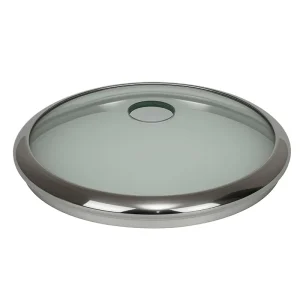
Confirm Production Inspection Standards
Before bulk manufacturing begins, the supplier should have access to the approved finish reference and the agreed inspection criteria.
The buyer and supplier should confirm:
- Which sample or documented reference governs production.
- Which surfaces and appearance characteristics will be inspected.
- What inspection conditions and methods will be used.
- What constitutes an acceptable variation.
- How nonconforming items will be identified and handled.
If an order includes multiple colors, sizes, or product models, each version should be clearly identified.
This reduces the risk of applying the wrong finish reference or inspection requirement to a different product.
The specification should also establish how changes are handled.
If the supplier proposes a material, coating, or process change that could affect appearance or product compatibility, the change should be reviewed and approved before it is applied to production.
Review Batch Records and Quality Evidence
Depending on the order requirements, buyers may request relevant inspection records, material documentation, or other quality evidence.
The appropriate documents depend on the product, the supplier’s quality system, and the agreed purchase requirements.
Useful questions for a supplier include:
- How is the approved finish reference maintained during production?
- What inspections are performed on finished components?
- How are defects or inconsistent appearance recorded?
- How are nonconforming items separated and resolved?
- What evidence can be provided for the agreed inspection requirements?
The purpose is to obtain evidence that directly supports the product requirements and the risks relevant to the order.
Performance claims also require appropriate evidence.
A PVD finish should not automatically be described as scratch-proof, corrosion-proof, or resistant to every thermal condition.
Actual performance depends on the coating system, substrate, preparation, use conditions, and test method.
Where a specific performance requirement matters, it should be verified using an agreed test or suitable technical documentation.
Confirm Packaging and Transit Protection
Packaging is another part of bulk-order quality management.
Glass and finished metal surfaces can be damaged during handling, storage, or transportation if the packaging does not adequately protect them.
For a PVD glass lid, buyers should confirm how the packaging will:
- Protect the glass against impact and breakage.
- Prevent finished metal surfaces from rubbing against other components.
- Keep lids separated where necessary.
- Reduce movement during transport.
- Support inspection and identification when the shipment arrives.
The packaging design should be evaluated against the product structure, shipping method, and expected handling conditions.
If transport damage has occurred in previous shipments, the buyer and supplier should review the cause and agree on corrective measures.
Where appropriate, receiving inspections should also be defined.
Recording damage, packaging conditions, and affected product quantities helps the parties investigate problems and improve subsequent shipments.
What Should Buyers Include in an RFQ for PVD Glass Lids?
A request for quotation (RFQ) should provide enough information for a supplier to assess the design, confirm feasibility, prepare a sample, and quote against clearly defined requirements.
A practical RFQ checklist includes the following items:
| RFQ item | Information to provide |
|---|---|
| Product design | Drawings, product photos, dimensions, and intended application |
| Glass requirements | Glass type, thickness, diameter, shape, and relevant tolerances |
| Metal rim | Material grade, profile, dimensions, and assembly requirements |
| PVD finish | Target color, gloss or texture, treated area, and reference sample |
| Handle and vent | Design, position, attachment details, and other relevant features |
| Quality criteria | Approved sample, inspection method, acceptance requirements, and necessary tests |
| Order quantity | Expected order volume and any planned size or color variations |
| Packaging | Individual protection, bulk packing, labeling, and shipping requirements |
| Sampling | Sample quantity, approval process, revision control, and required documentation |
| Delivery | Required schedule and destination, subject to supplier confirmation |
For a PVD-specific project, the finish reference, treated component, required coverage, and acceptance criteria deserve particular attention.
General product information is still necessary, but it should support these finish requirements rather than replace them.
Standard designs may require fewer engineering discussions, while customized lids or multiple product variations may need drawings, fit checks, and more extensive sample approval.
Buyers should also distinguish between confirmed requirements and open questions.
If the target color, coating area, or acceptance criteria have not yet been finalized, these items should be identified before the supplier prepares the final production specification.
A well-prepared RFQ does not guarantee a successful order, but it gives both parties a clearer basis for evaluating feasibility, comparing proposals, and resolving technical questions before bulk production.
Conclusion: Define the Finish Before Approving the Order
Sourcing PVD glass lids for OEM production requires more than selecting a color.
Buyers should identify the treated component, define the intended appearance, specify the glass and metal rim requirements, and establish a clear sample approval process.
Before bulk production begins, the approved reference, inspection criteria, quality records, and packaging requirements should be documented.
These steps help buyers and suppliers work from the same expectations and provide a clearer basis for evaluating production consistency.
For a specific OEM project, the next step is to prepare the product drawing, target finish reference, required dimensions, expected quantity, and quality criteria.
These details allow a supplier to assess the design and clarify which specifications or tests need to be confirmed before production.
For more information about our glass lid manufacturing capabilities and OEM solutions, visit our homepage to learn more about our products and how we support cookware brands and importers with their sourcing needs.