- English
- Chinese
- French
- German
- Portuguese
- Spanish
- Russian
- Japanese
- Korean
- Arabic
- Irish
- Greek
- Turkish
- Italian
- Danish
- Romanian
- Indonesian
- Czech
- Afrikaans
- Swedish
- Polish
- Basque
- Catalan
- Esperanto
- Hindi
- Lao
- Albanian
- Amharic
- Armenian
- Azerbaijani
- Belarusian
- Bengali
- Bosnian
- Bulgarian
- Cebuano
- Chichewa
- Corsican
- Croatian
- Dutch
- Estonian
- Filipino
- Finnish
- Frisian
- Galician
- Georgian
- Gujarati
- Haitian
- Hausa
- Hawaiian
- Hebrew
- Hmong
- Hungarian
- Icelandic
- Igbo
- Javanese
- Kannada
- Kazakh
- Khmer
- Kurdish
- Kyrgyz
- Latin
- Latvian
- Lithuanian
- Luxembou..
- Macedonian
- Malagasy
- Malay
- Malayalam
- Maltese
- Maori
- Marathi
- Mongolian
- Burmese
- Nepali
- Norwegian
- Pashto
- Persian
- Punjabi
- Serbian
- Sesotho
- Sinhala
- Slovak
- Slovenian
- Somali
- Scots Gaelic
- Shona
- Sindhi
- Sundanese
- Swahili
- Tajik
- Tamil
- Telugu
- Thai
- Ukrainian
- Urdu
- Uzbek
- Vietnamese
- Welsh
- Xhosa
- Yiddish
- Yoruba
- Zulu
- Kinyarwanda
- Tatar
- Oriya
- Turkmen
- Uyghur

What to Check When Auditing a Glass Lid Factory
2026-10-28
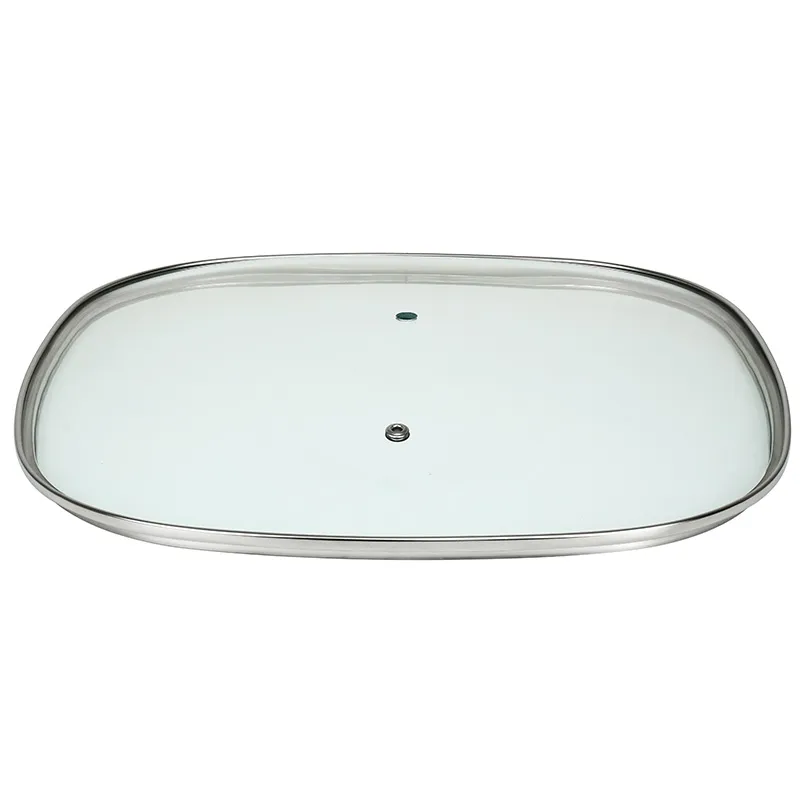
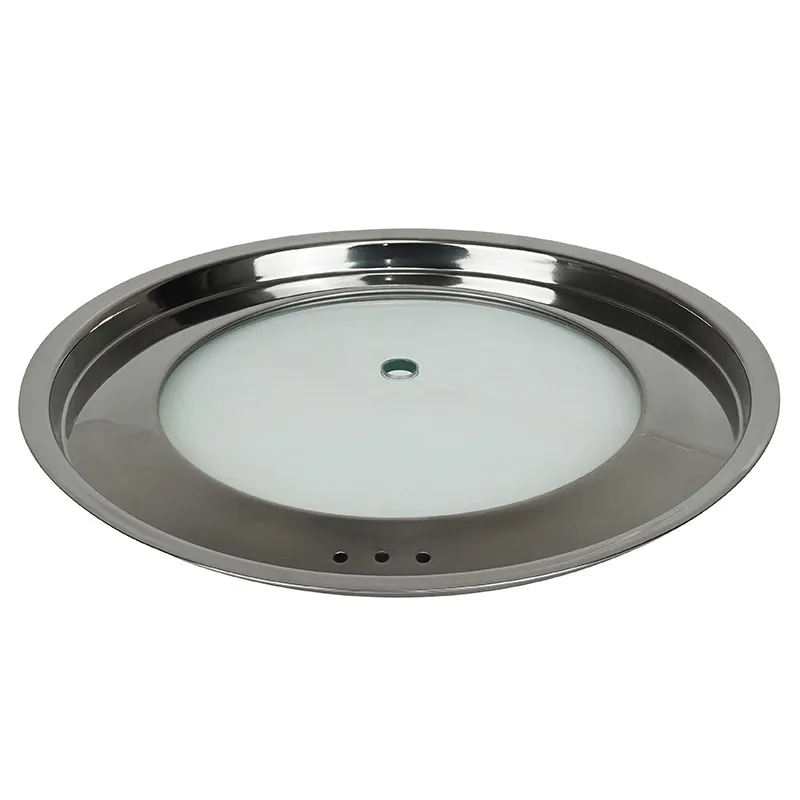
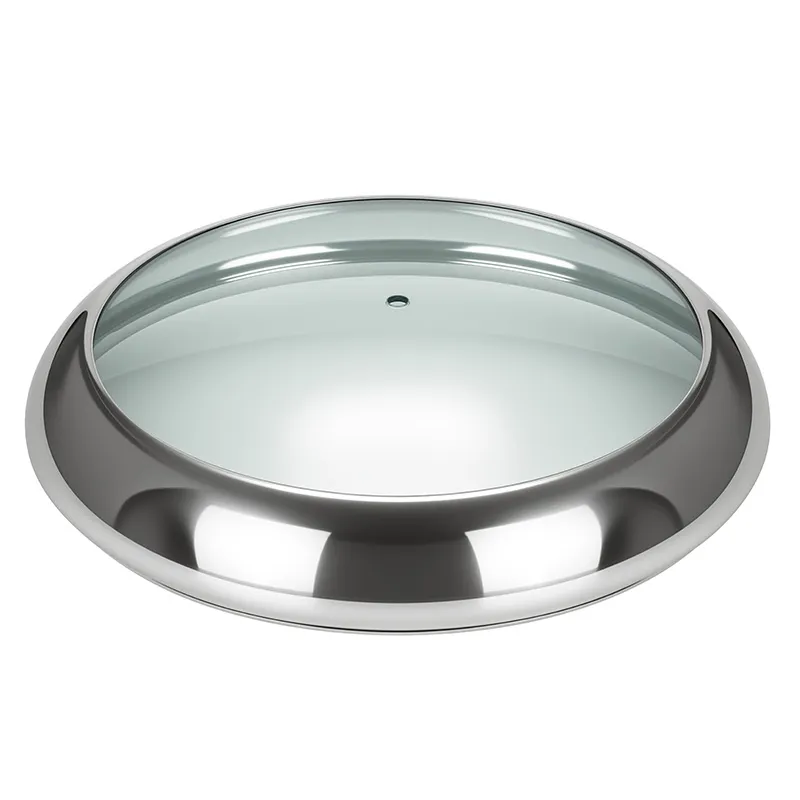
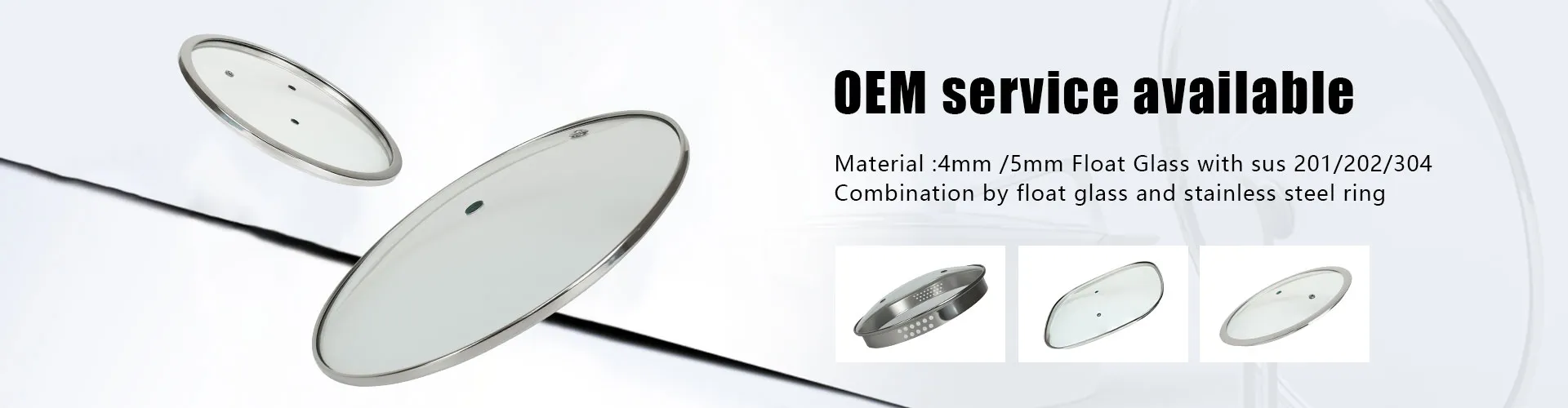
If you are a procurement manager, quality engineer, or OEM buyer sourcing cookware accessories, visiting a glass lid factory without a structured checklist leaves critical quality risks undetected. Many common failures, such as spontaneous cracking, loose knobs, and breakage during transit, stem from weak process control rather than defects found only in finished goods. This guide gives you a step-by-step on-site audit workflow specifically for a glass lid factory. It covers raw material control, glass lid manufacturing procedures, assembly checks, performance testing, batch traceability and pre-shipment inspection. You can use this checklist directly during your next factory visit to evaluate a tempered glass lid factory and qualify a reliable tempered glass lid manufacturer in China.
1. Pre-Audit Preparation: Make Your Inspection Checklist Ready
Before you arrive at the production site, thorough preparation prevents you from only reviewing pre-selected perfect sample batches. This section helps you lock down inspection rules and document requirements ahead of time.
Questions to answer
What documents and inspection tools should you prepare before visiting a glass lid factory? How do you set clear inspection standards to avoid disputes on-site?
Core information to cover
- Confirm the technical specification of your ordered glass covers, including dimensional tolerances, surface defect limits, and material grade requirements.
- Prepare on-site inspection tools: calipers, thickness gauges, magnifiers, and printed defect grading standards.
- Set up a sampling scheme following agreed AQL standards for random batch checks, instead of only examining finished goods prepared in advance.
- Create a document request list: incoming inspection records, production process logs, test reports, and non-conformance handling files.
Practical tips
Randomly select 2–3 production batches ahead of the audit. Ask the factory to pull the corresponding records on-site without advance preparation.
Content to avoid
Do not include commercial negotiation topics such as pricing, payment terms or delivery schedules. Keep the focus strictly on quality audit items.
Facts to verify
No fictional parameters are required for this section; all steps follow standard procurement audit practices.
2. Raw Material & Incoming Material Inspection Audit
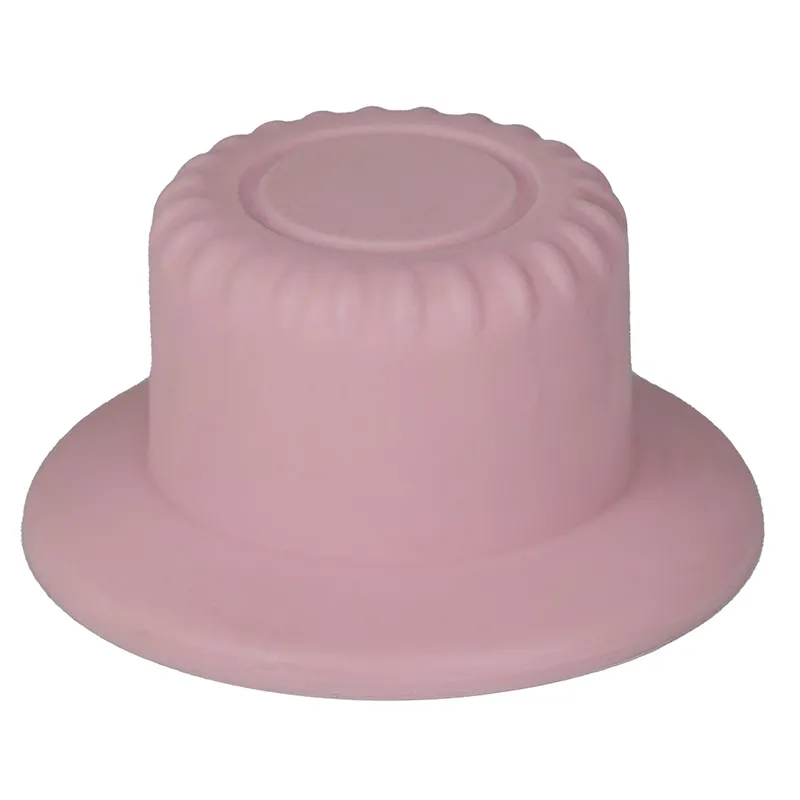
Raw material quality sets the baseline safety of heat-strengthened glass lids, such as our silicone glass lid series. Poor incoming control creates invisible micro-cracks and inconsistent tempering results that may only appear after shipment.
Questions to answer
How do you verify incoming glass sheets and hardware parts? What material control loopholes should you watch out for in the warehouse?
Core information to cover
- Float glass sheet receiving inspection: Check glass grade, thickness consistency, and surface defects including bubbles, stones and scratches. Verify that the factory separates regular float glass from tempering-grade glass sheets.
- Hardware component inspection: Review material certification for stainless steel rims, knobs and rivets. Check for sharp burrs and dimensional mismatch with glass holes.
- Warehouse management: Confirm raw materials are stored vertically with dust protection. Different grades and batches are physically separated with clear labels.
- Non-conforming material control: Check if there is an isolated quarantine zone for rejected incoming materials, with documented rejection reasons.
Practical tips
Ask to see the material test certificates for food contact compliance. If the factory cannot provide original documents, mark this as a major risk item.
Content to avoid
Do not expand into raw glass chemical formulation; only audit incoming inspection execution and record keeping.
Facts to verify
- Food contact material compliance standards (FDA / LFGB) need to be confirmed.
- Thickness tolerance values for raw glass sheets need to be matched against product technical specs.
3. On-Site Inspection of Glass Lid Manufacturing Processes
Glass lid manufacturing covers cutting, edge polishing, drilling, curving and thermal tempering. The tempering stage is the most critical checkpoint for safety performance.
3.1 Glass Cutting, Edge Polishing and Hole Drilling
Questions to answer
How does the factory control micro-cracks during cutting and drilling? What inspection records should you verify?
Core information to cover
- Dimensional control: Check first article inspection records for every production run to confirm size and hole position tolerances.
- Edge treatment: Inspect polished edges to eliminate micro-cracks, which are the main cause of breakage after tempering.
- Hole drilling quality: Check for chipping and cracking around rivet holes and steam vent openings.
Practical tips
Use a magnifier to check edge quality on randomly selected semi-finished glass pieces directly from the production line.
Facts to verify
Dimensional tolerance limits need to be confirmed against the buyer’s technical drawings.
3.2 Curving & Thermal Tempering Process Control
Questions to answer
How to verify stable tempering quality on-site? What process logs prove consistent thermal treatment?
Core information to cover
- Furnace process records: Request recent temperature holding time and air quenching pressure logs for the current glass lid SKU.
- Stress inspection: Confirm the factory performs polariscope stress checks to screen uneven tempering stress.
- Fragmentation and thermal shock testing: Review batch test records for broken-piece status and cold-hot thermal shock resistance.
Practical tips
Avoid only checking finished samples. Randomly pull furnace operation logs from the past 7 days to confirm the factory follows the written Standard Operating Procedure (SOP) consistently.
Content to avoid
Do not exaggerate factory automation level or production capacity; only audit whether written SOPs are strictly followed on the production floor.
Facts to verify
- Tempering temperature range and quenching pressure parameters need cross-checking with industry standards.
- Fragment count requirements and thermal shock test conditions must be matched to the relevant product standard.
4. Hardware Assembly & Component Quality Check
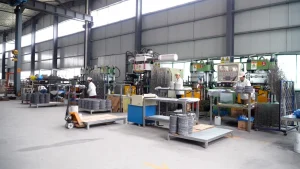
Even if glass quality meets standards, improper assembly creates localized stress and leads to cracking around rivets or rims.
Questions to answer
What assembly defects should you inspect for rim clinching and knob installation? How to spot assembly-induced glass stress?
Core information to cover
- Stainless steel rim fitting: Check for loose fitting, foreign debris trapped inside the rim, and sharp welding burrs.
- Knob and rivet assembly: Shake the knob manually to check looseness; inspect for cracks around rivet holes caused by excessive pressing force.
- Post-assembly visual check: Confirm no new stress cracks appear after hardware installation.
Practical tips
Pick assembled lids randomly and check for rim looseness by twisting the stainless steel edge gently.
Content to avoid
Do not audit the manufacturing process of stainless steel rims; limit inspection only to the on-site assembly operation.
Facts to verify
Acceptance criteria for rim tightness and rivet pull resistance need to be confirmed with technical specs.
5. Finished Product Dimension & Visual Quality Inspection
This section covers final dimensional and visual QC before packaging, independent of safety tempering performance testing.
Questions to answer
How to carry out on-site sampling inspection for finished glass lids? What visual defects should be graded as non-conforming?
Core information to cover
- Dimensional inspection: Measure diameter, thickness difference and flatness with calipers and thickness gauges.
- Visual defect inspection: Carry out visual checks at a 30 cm distance under non-direct light; screen for scratches, bubbles, pitting and uneven polishing.
- Sampling rule: Confirm finished goods inspection follows the agreed AQL sampling level with clear defect classification (critical, major, minor).
Practical tips
Avoid only checking the best-looking samples. Select products from the end of the production run to catch consistent quality drift.
Content to avoid
Do not repeat tempering safety testing covered in the manufacturing process section; stick strictly to dimension and appearance checks.
Facts to verify
Quantitative limits for visual defects and flatness deviation must be confirmed against the product specification.
6. Batch Traceability, Quality Records & Non-Conformance Handling
Without full batch traceability, you cannot isolate problematic batches if quality issues arise after shipment. This audit section verifies the factory’s quality management execution instead of only reviewing ISO document paperwork.
Questions to answer
How to verify full traceability from raw material lots to finished shipments? What corrective action records should you review for defective products?
Core information to cover
- Batch linkage: Confirm every finished batch is linked to raw glass lot numbers, production shift records and in-process inspection logs.
- Document review: Randomly select 3 finished batches and ask the factory to pull the full chain of inspection records from incoming materials to final QC reports.
- Non-conformance management: Check the record of rejected semi-finished and finished products, including segregation, rework procedures and CAPA (corrective and preventive action) documents for recurring defects.
Practical tips
If the factory cannot retrieve matching batch records quickly, mark this as a high-risk management gap.
Content to avoid
Do not recite general ISO 9001 clauses; focus only on traceability records specific to glass lid manufacturing.
Facts to verify
No fictional systems or record formats are needed; only verify whether existing written records are consistently filled out.
7. Packaging Protection & Pre-Shipment Inspection (PSI)
A large portion of glass lid losses occur during ocean transit due to poor packaging. Your audit must cover packaging design as well as pre-shipment random inspection.
Questions to answer
How to audit packaging protection against breakage? What are the key PSI checkpoints before shipment?
Core information to cover
- Inner protection inspection: Check the use of EPE foam, paper corners and individual wrapping to prevent surface scratches and collision between lids.
- Outer carton strength and packing method: Verify carton grade, quantity per carton, and layered separation inside each box.
- Pre-shipment inspection: Confirm the factory performs random sampling from packed cartons, with batch ID clearly printed on outer shipping marks.
- Packaging test evidence: Review records of drop tests if the factory conducts pre-shipment packaging validation.
Practical tips
Open several fully packed cartons on-site to check whether the actual packing matches the approved packaging sample.
Content to avoid
Do not discuss logistics and shipping arrangements; only audit factory packaging execution and pre-shipment inspection.
Facts to verify
ISTA packaging drop test requirements need to be confirmed if third-party shipping testing is required.
8. Post-Audit: Sort Findings & Judge Cooperation Conditions
After the on-site inspection, you need to turn audit observations into clear risk ratings instead of subjective impressions. This step sets clear entry thresholds for future cooperation.
Questions to answer
How to grade audit findings by risk level? What conditions should you set before approving small-batch trial orders?
Core information to cover
- Defect classification: Divide findings into three grades:
- Critical defects (deal-breakers): No tempering logs, missing batch traceability records, or failed fragmentation test results.
- Major defects: Uncontrolled assembly stress, inconsistent dimensional tolerance, incomplete inspection records.
- Minor defects: Slightly messy warehouse labeling, minor surface cosmetic flaws within acceptable limits.
- On-site evidence: Take photos and write down detailed descriptions for every non-conformance item during the visit.
- Cooperation decision rules: Suspend qualification if critical defects exist; require written corrective plans with a clear deadline for major defects; Only allow small trial orders after all corrective actions are verified on a second follow-up audit for custom assembled glass lids.
Practical tips
Do not approve mass production orders directly after the first audit. Always require a small trial run to validate corrective improvements.
Content to avoid
Do not include commercial terms such as price renegotiation or payment changes. Stick strictly to quality qualification judgments.
Facts to verify
No extra technical data is required; this section only uses standard supplier risk grading logic.
Conclusion: Focus on Process Control for Stable Glass Lid Quality
When auditing a glass lid factory, buyers often focus too much on finished sample quality while ignoring process control on the production line. Stable quality from a tempered glass lid factory relies on four core control links: strict incoming raw material screening, stable tempering furnace parameters, controlled assembly stress, and complete batch traceability.
Always verify original production logs and randomly pull batch records instead of only viewing pre-prepared samples. If you strictly follow this step-by-step audit checklist during your factory visit, you can effectively avoid hidden quality risks and select a qualified tempered glass lid manufacturer in China for your long-term OEM and ODM cookware projects.Contact us if you need factory audit support and sample evaluation.